Blog—15 OCT 2026, by Frederic Jonsson
You Can’t Download OFFF: Elena Alekseeva on what happens when creative ideas meet the real world.
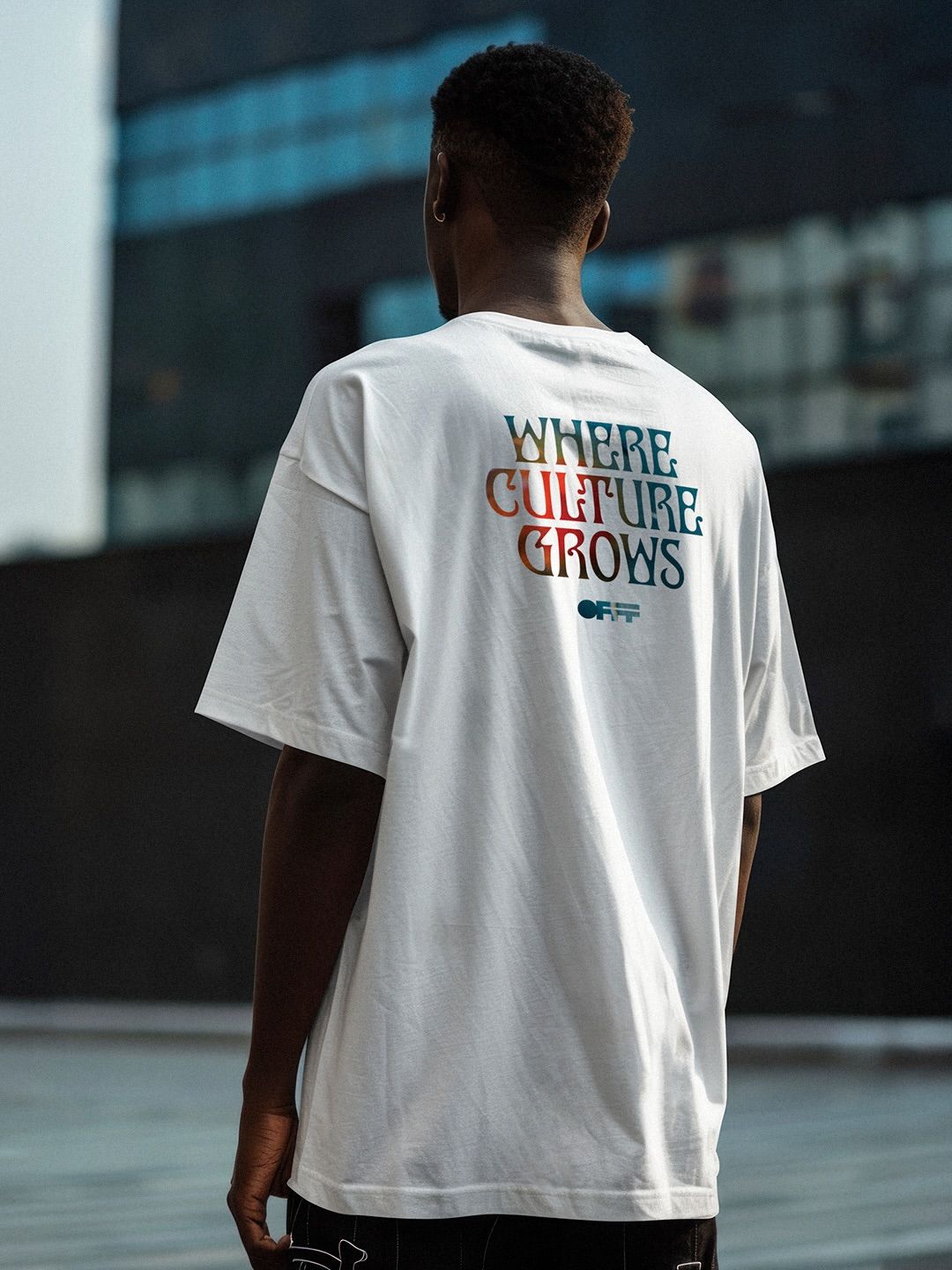
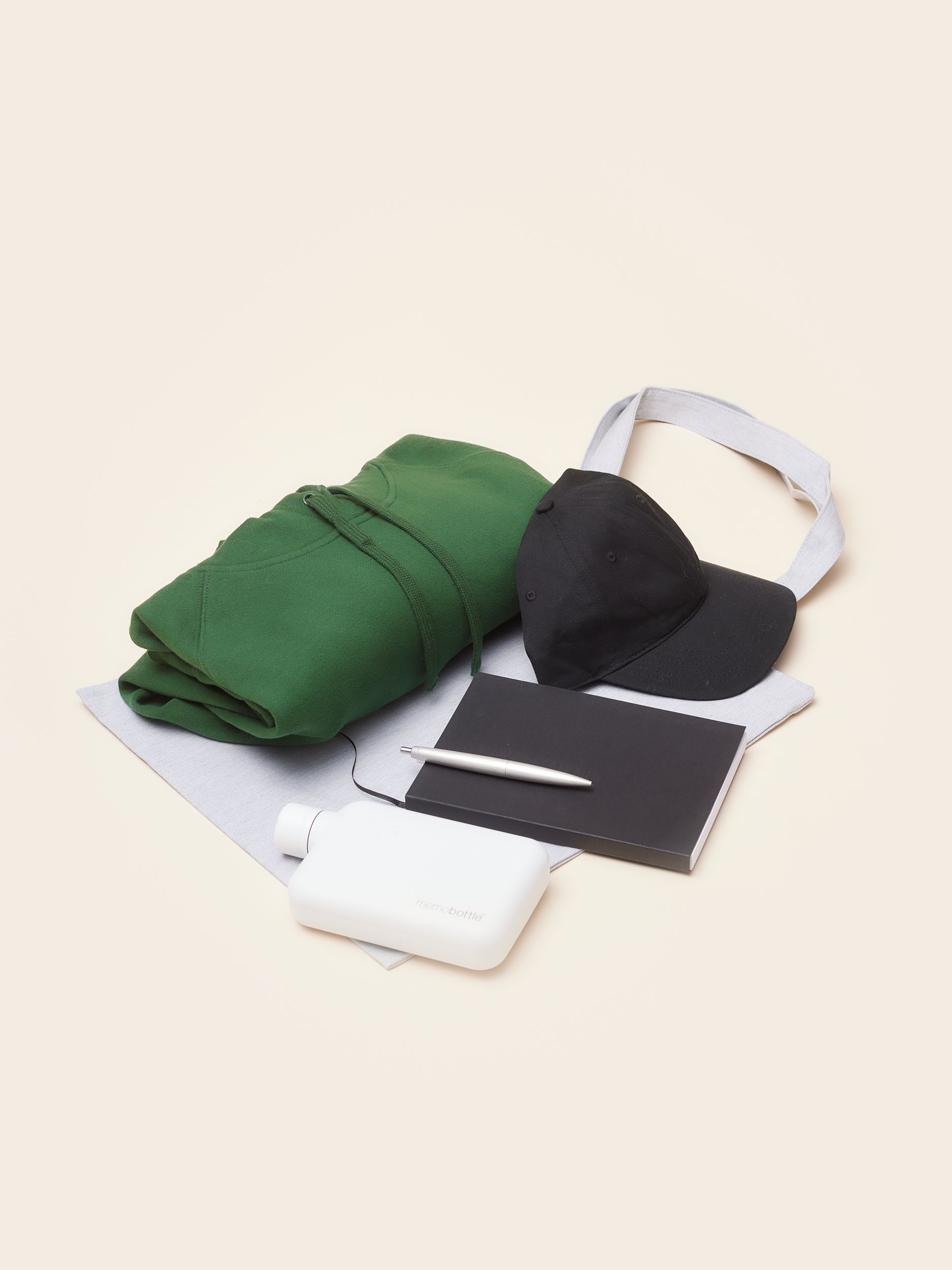
A festival lasts a few days, but its ideas last longer and so does its merch. We spoke to Elena Alekseeva, Head of Communications at OFFF, about creativity, festival keepsakes, and what it takes to turn a big idea into something people can actually hold.
Elena joined OFFF around its post-COVID return and is now in her fifth year with the festival. Her work covers communications, PR, partnerships and, as she puts it, everything involved in getting OFFF out into the world.
One object from her first edition in 2022 has stayed with her: her staff badge, with her name on it.
“I remember putting it on on the first day and thinking, ‘Okay, this is happening for real.’”
It’s a small thing, but for Elena, it captures a big part of what makes a festival different from the work that goes into organising it. You can spend months planning, designing and talking to people online. Then, suddenly, everyone is there. People have travelled from all over the world, and the thing you’ve been working towards is finally happening in front of you.
That shift from digital to physical is something Elena particularly enjoys. And it’s a theme that runs through OFFF, too.
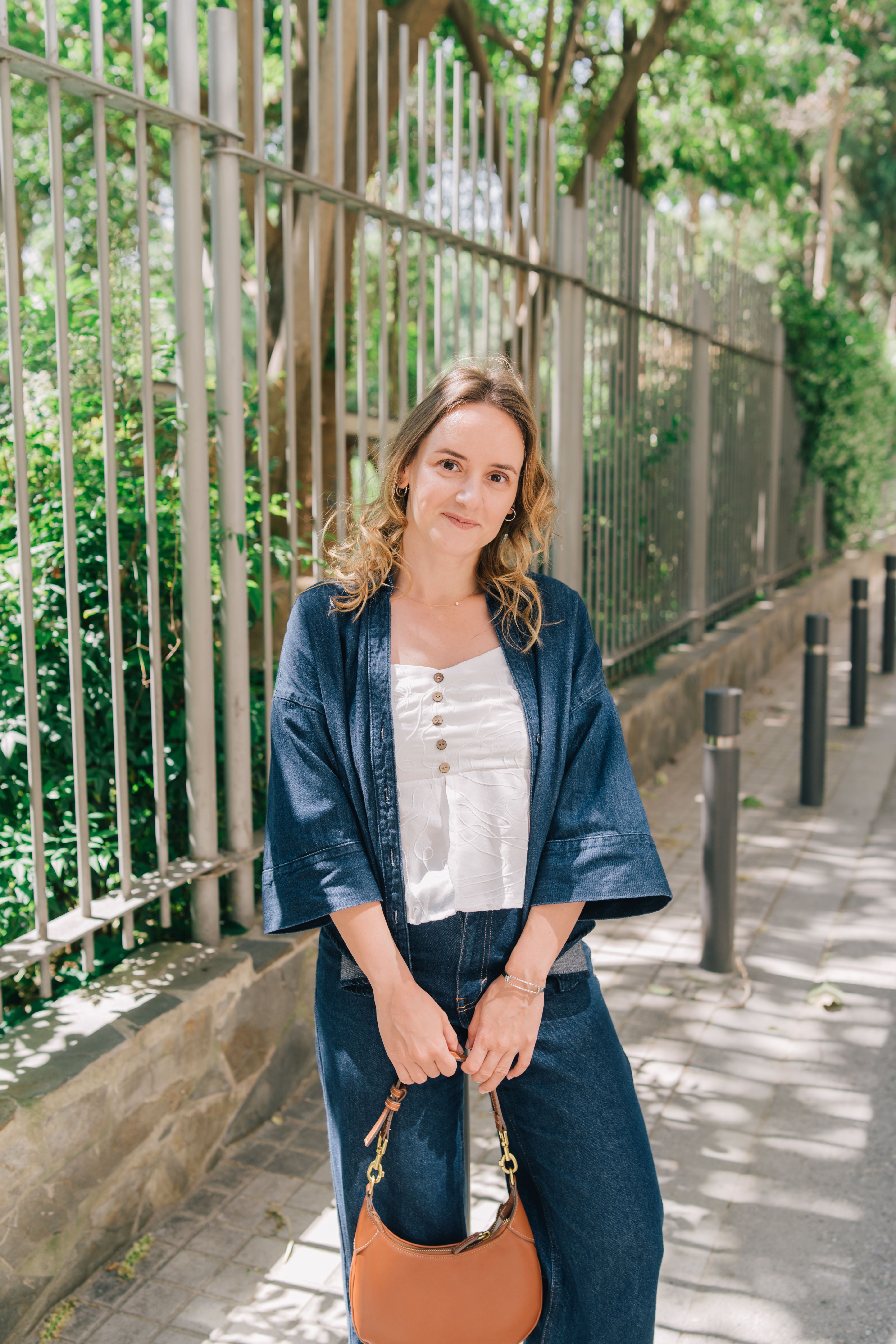
Every edition looks different. That’s the point.
OFFF works with a different studio on its visual identity each year, so the festival doesn’t have one fixed look. The creative direction changes, and the experience changes with it.
But there’s a thread running through all those editions. “The spirit remains the same,” she explains. “It’s about bringing the creative community together and creating space for conversations, collaborations and connections.”
Moving an identity from a screen into the physical world isn’t always straightforward, as Elena points out. Motion, sound and the smaller details of a digital experience can be difficult to translate into an object or a space.
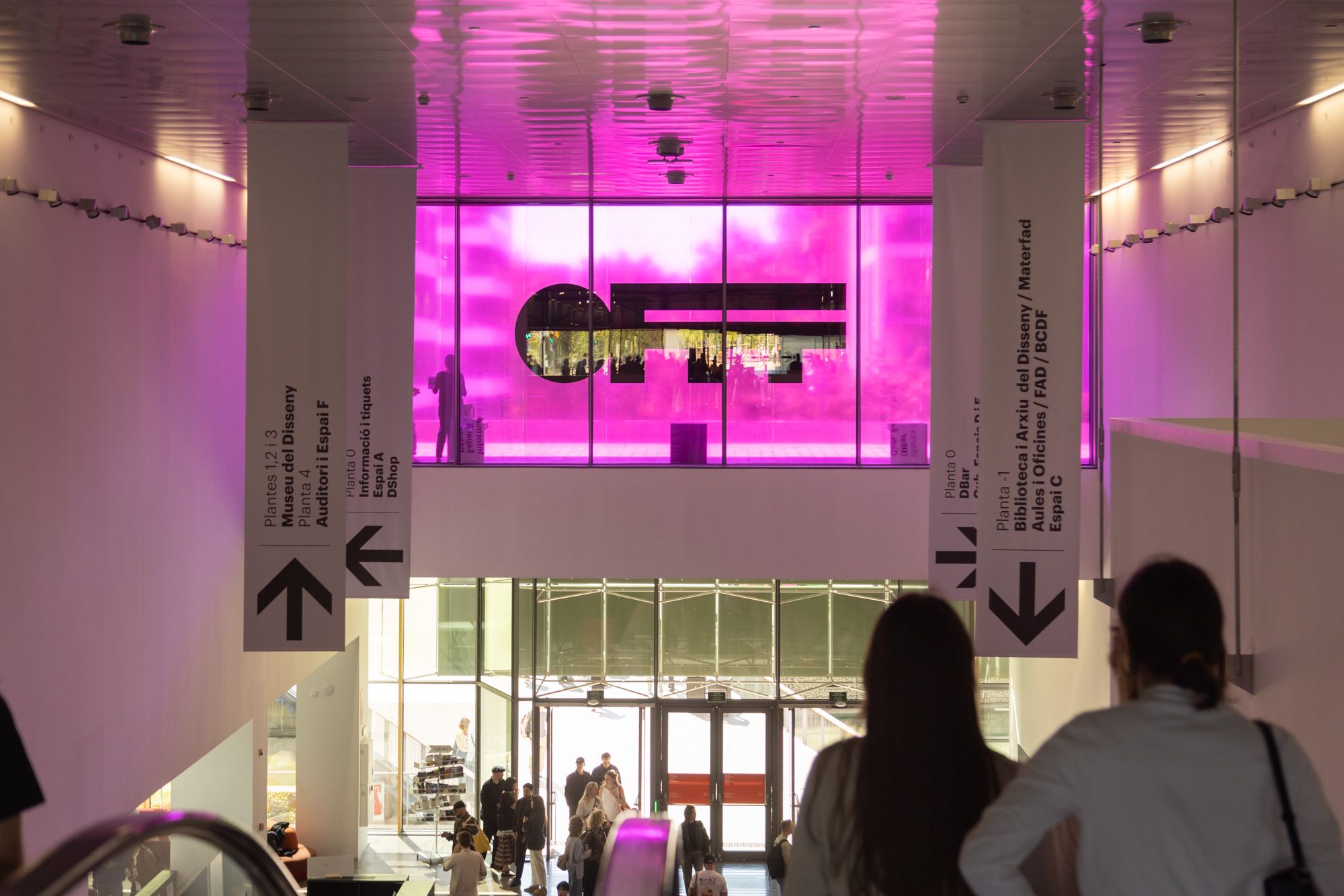
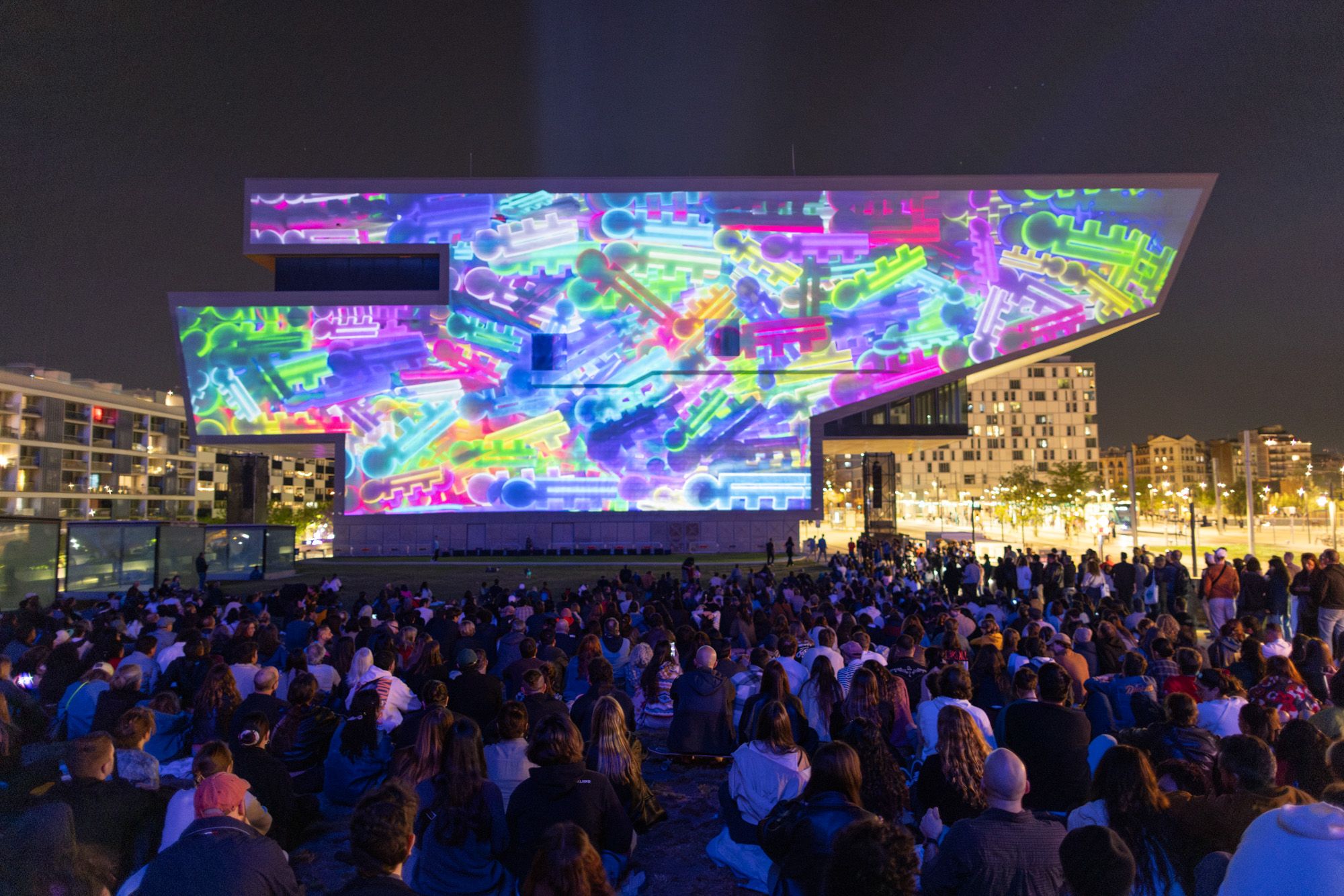
One way OFFF has explored that is through the façade of Disseny Hub Barcelona, the festival’s venue. Since 2025, it has been used as a giant canvas for mapping and motion artworks created by the community.
It’s a different way to experience digital work: not on a laptop or phone, but on a building, in a shared space, surrounded by other people watching it happen.
"What makes an object feel like OFFF isn’t just the logo"
It’s easy to think of merchandise as the final step in a branding project: take the visual identity, put it on a T-shirt or tote bag, and call it done.
But Elena believes there’s more to it than that.
“What makes an object feel like OFFF isn’t just the logo,” she explains. It’s also the idea behind the object, how it connects to that year’s visual campaign, and the person who chooses to wear it.
That last point is worth considering. Once someone takes a piece of merch home, the festival no longer has control over how it’s used. It might become part of someone’s everyday wardrobe, end up in regular rotation, or be kept for years.
For Elena, that’s part of the appeal. The object needs to work beyond the moment it’s handed out. A strong visual identity matters, but it’s what people do with it afterwards that gives it a life of its own.
The best merch carries a memory
Ask Elena what makes good festival merch, and the answer comes back to memory.
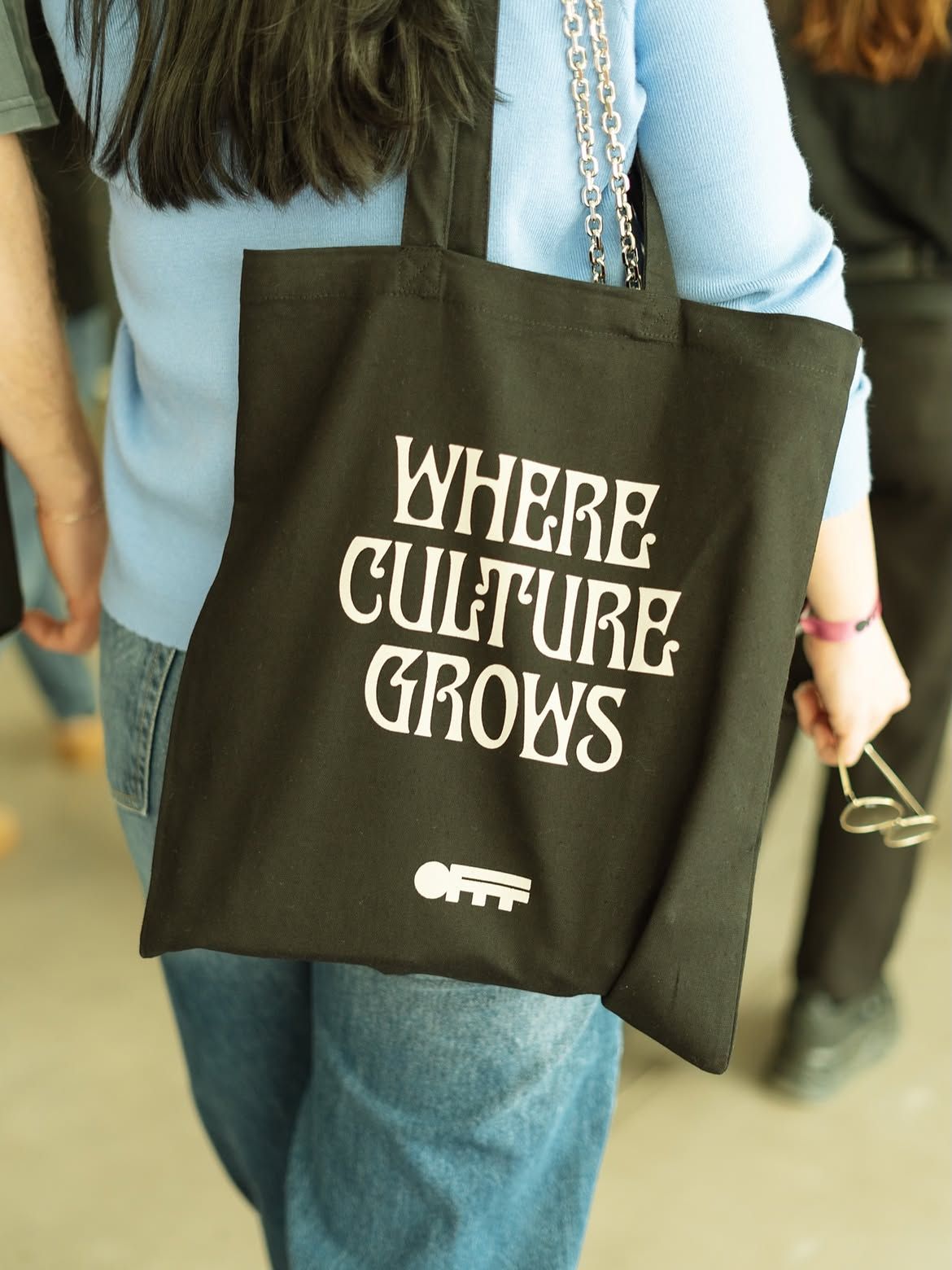
“The best merch carries a memory,” she explains. It takes you back to a particular place, a moment, or the people you were with. It can also become a small way of saying something about yourself: I was there. I’m part of this.
She’s seen people bring out OFFF items from editions ten or fifteen years ago. Some have kept collecting pieces year after year, turning them into a record of the festival’s history.
Then there are the more unexpected encounters: spotting someone carrying an OFFF tote in another city or another country.
You might not know their name, but there’s an instant connection. You’ve both been part of the same experience.
For a piece of merch, that’s a pretty good afterlife.
When the big idea meets real-world constraints
Of course, not every idea makes it from the moodboard to the real world exactly as planned.
For OFFF 2026, the “Cultured” campaign by Uncommon Creative Studio came with an ambitious idea: installing a real bio lab at the festival.
There was just one problem. Making it happen would require a licence from the Ministry of Healthcare.
It’s a very OFFF kind of ambition to dream up something that big. It’s also a useful reminder that creative work doesn’t happen in a vacuum. Materials, budgets, production methods, regulations and timelines all have a say in what eventually gets made.
The trick is finding a way to work with those realities without losing what made the idea exciting in the first place.
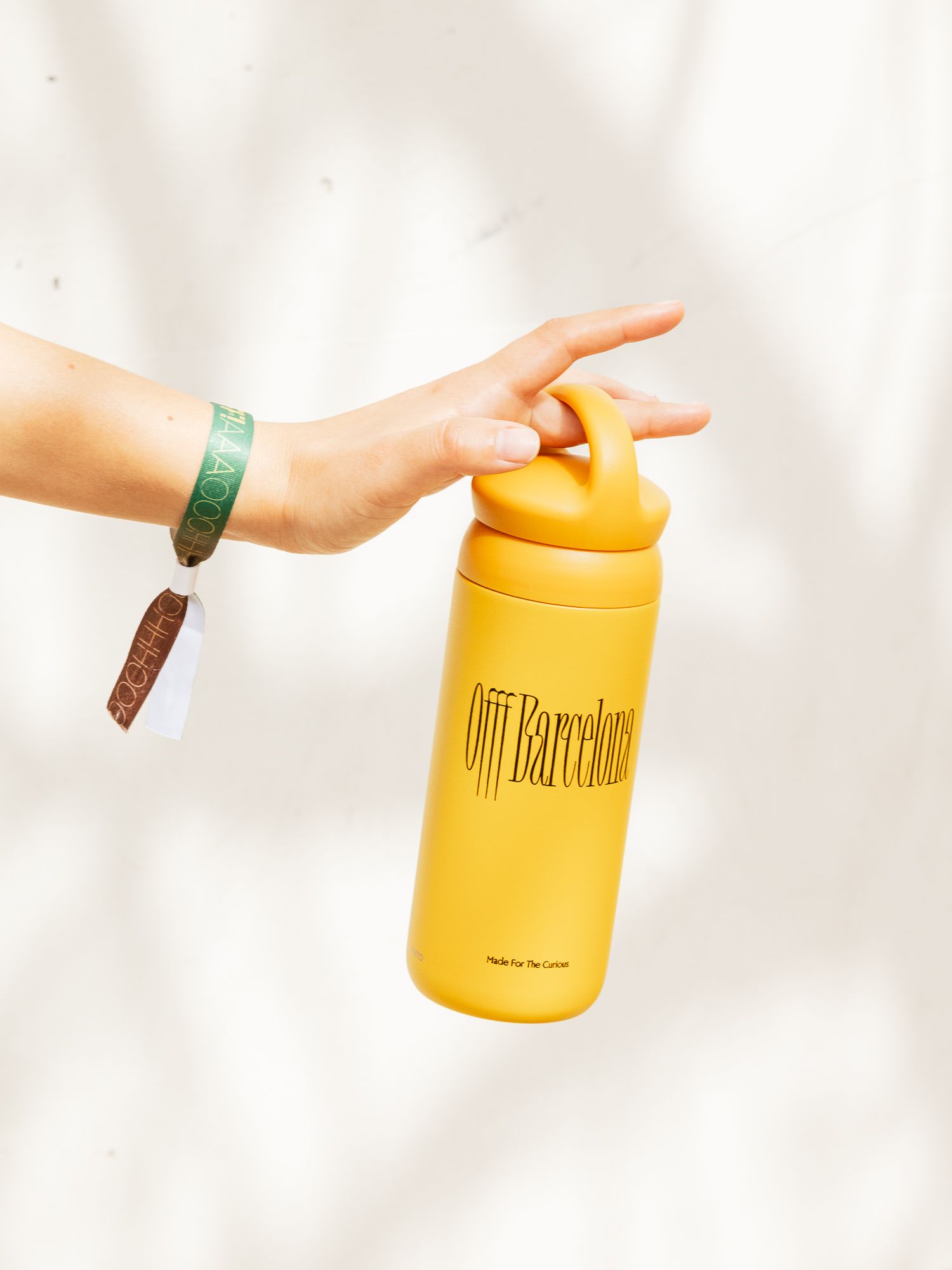
Start with the object instead of the purpose
If an agency has just two weeks to organise merch for a client event, Elena’s advice is straightforward: before deciding what to make, work out what it’s meant to do.
Is it a welcome gift? Something useful? A collectible people will want to add to their shelves? Should it be worn, carried, used every day, or kept as a reminder of the event?
The answers will shape what makes sense to produce.
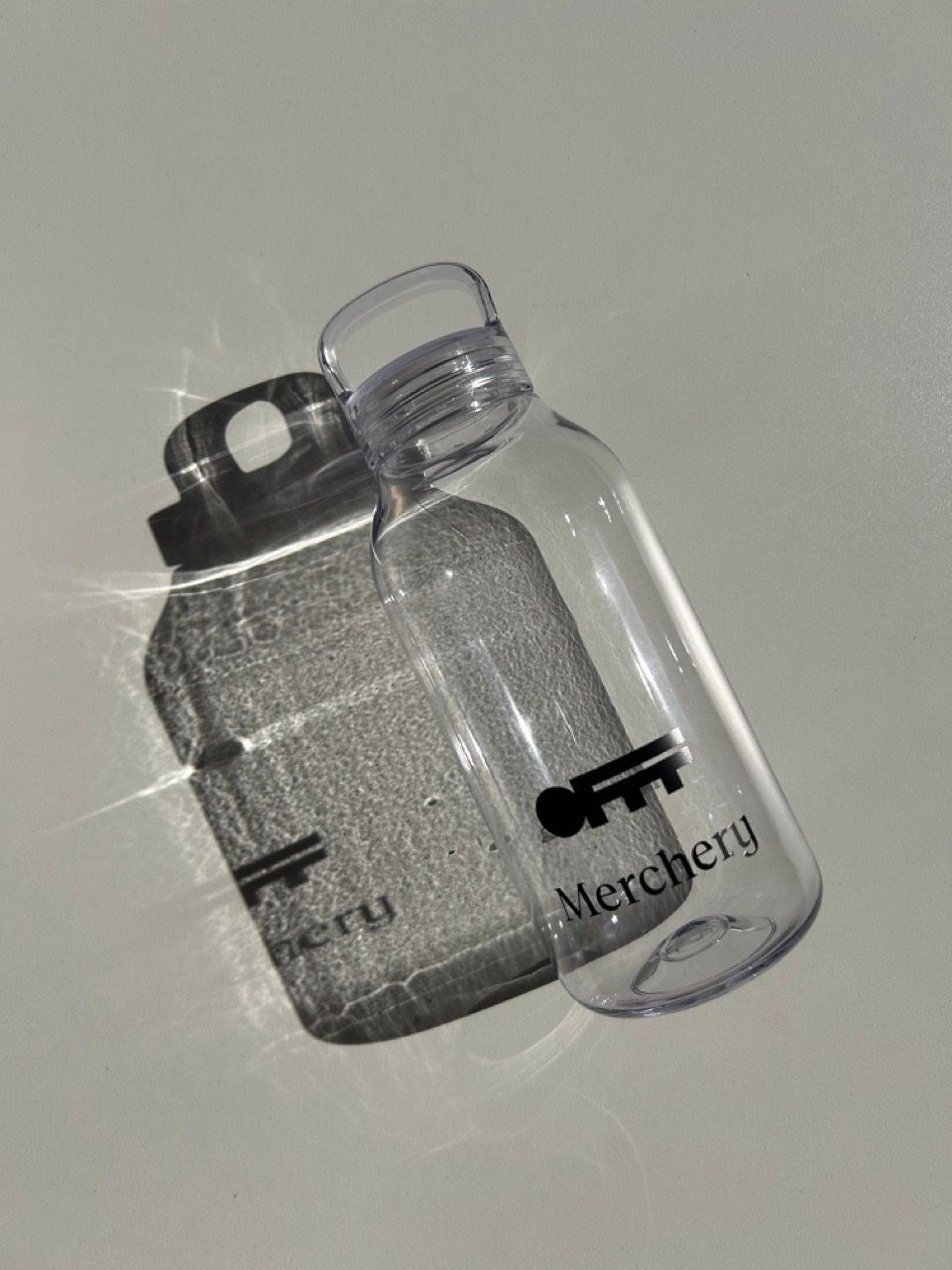
“It sounds simple, but it’s easy to start with the object instead of the purpose. A T-shirt or tote might be the right choice, but it shouldn’t be the automatic one.”
The best pieces are the ones people want to use long after the event is over. Not because they feel obliged to, and not just because the logo looks good, but because the object has found a place in their lives.
That’s a much harder thing to design than a logo on a bag. But it’s also what makes the effort worthwhile.
Because you can download a visual identity. You can watch a talk online. You can scroll through the photos afterwards.
What’s harder to replicate is the feeling of having been there, and sometimes, years later, a small object is enough to bring it all back.