Blog—12 OCT 2026, by Frederic Jonsson
Designing for the second owner: plan for what happens to a gift after the first unwrapping
How many gifts have you passed on this year? The book under the tree wasn't quite you, but your sister devoured it in a weekend. The candle went to a friend who actually likes that scent. The tote is your neighbour's grocery bag now. We treat regifting like a small failure. A quiet betrayal of the giver's intention. Look closer and it's the opposite: proof the object was good enough to deserve a second life. That's the real test of a gift then. Not whether the first person keeps it. Whether they want someone else to have it too.
Most gifting briefs never ask that question. A gift is designed to land once: opened, admired (hopefully), used a few times, forgotten. Success gets measured at the moment of unwrapping, and nowhere else. But EOY gifting isn't a single moment for a single person. It moves. Through desks, drawers, doorsteps, cousins, colleagues, the back seat of a car on the way to someone else's home. A well designed gift keeps moving. A badly designed one stops at the first drawer.
So what if the brief changed? Instead of "will they like it", ask "would they pass it on, and would they be proud to?"
That's the job behind every year-end gifting program an agency builds: not just pleasing the first owner, but designing for the second one too.
What that means in practice
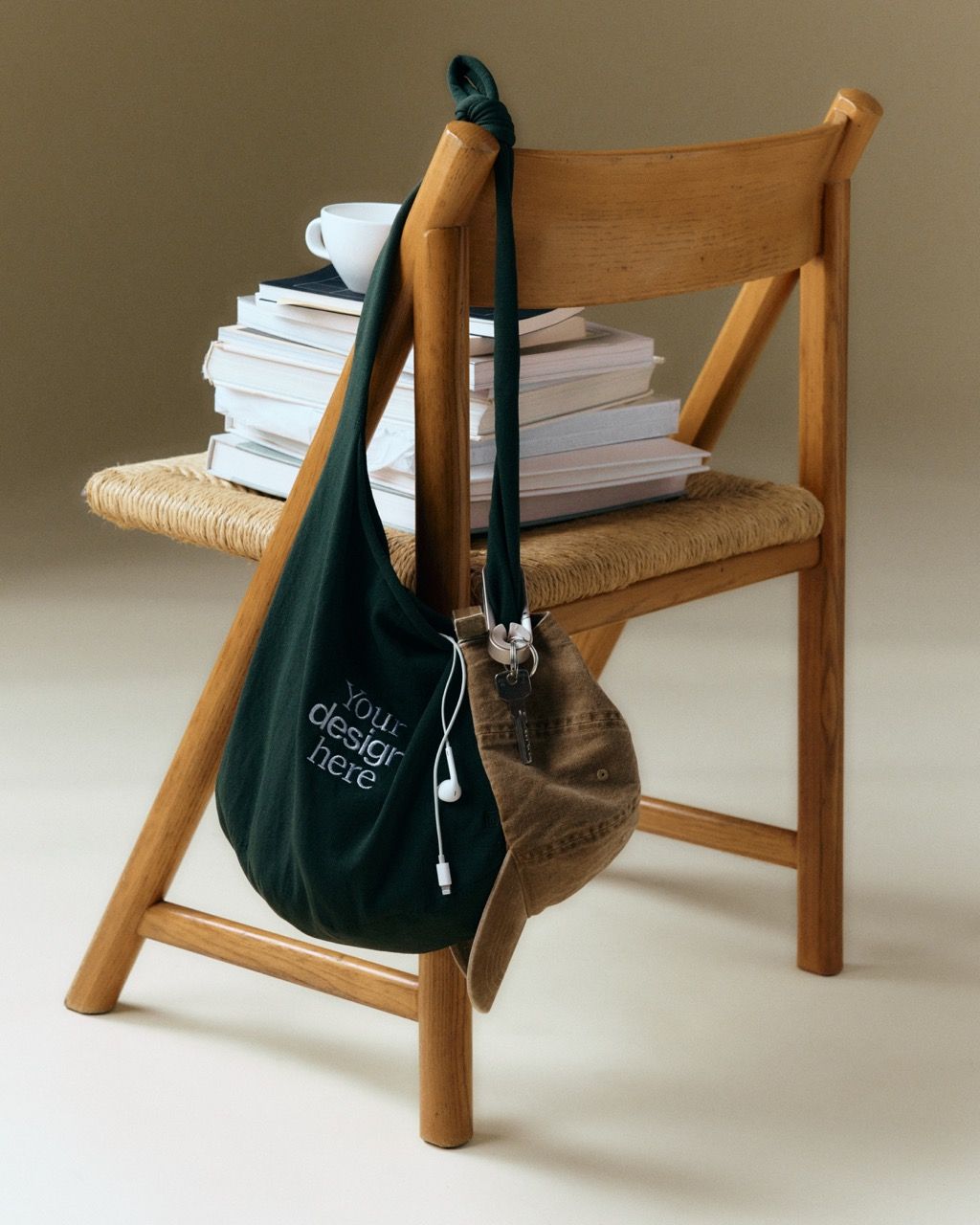
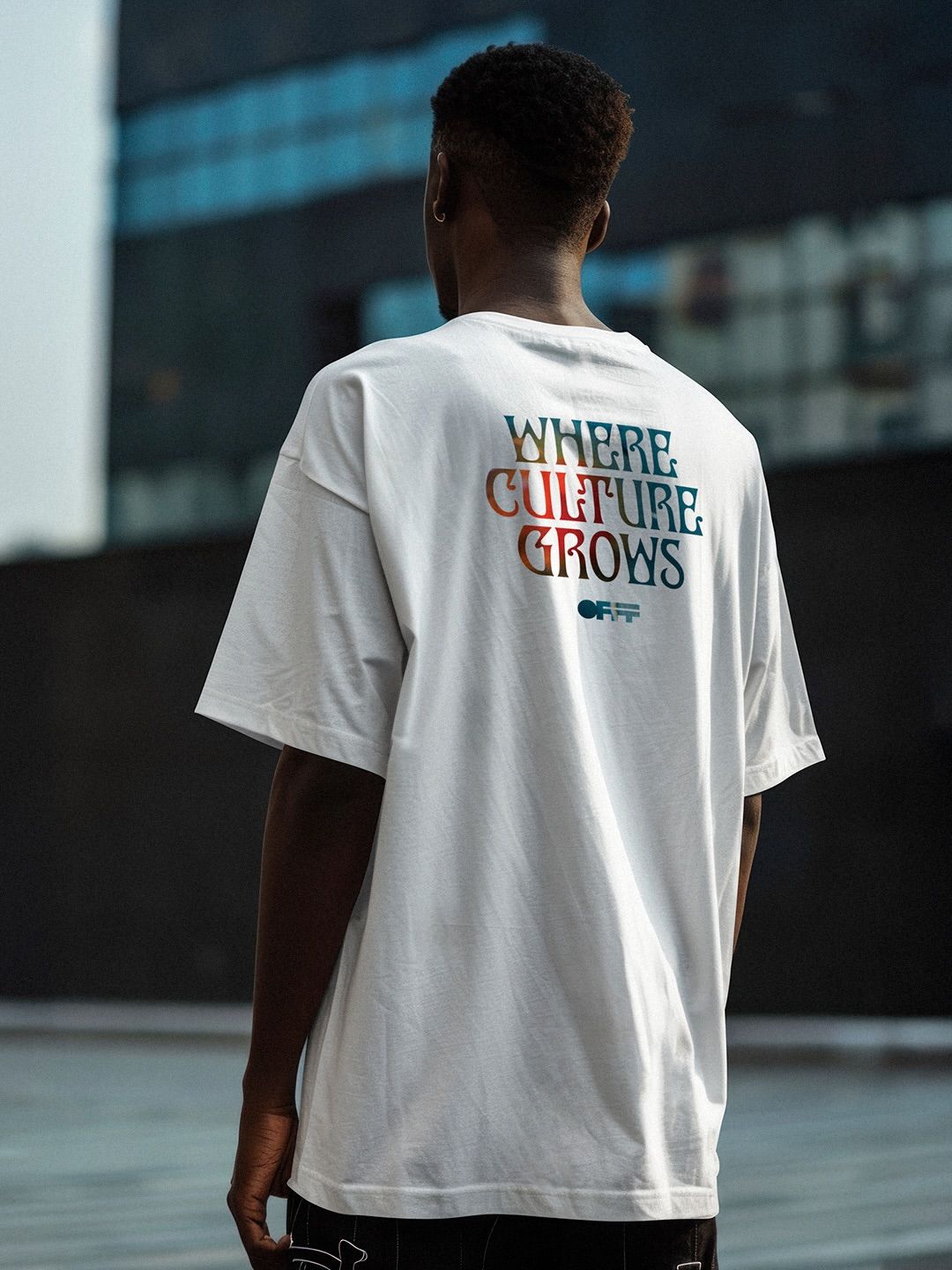
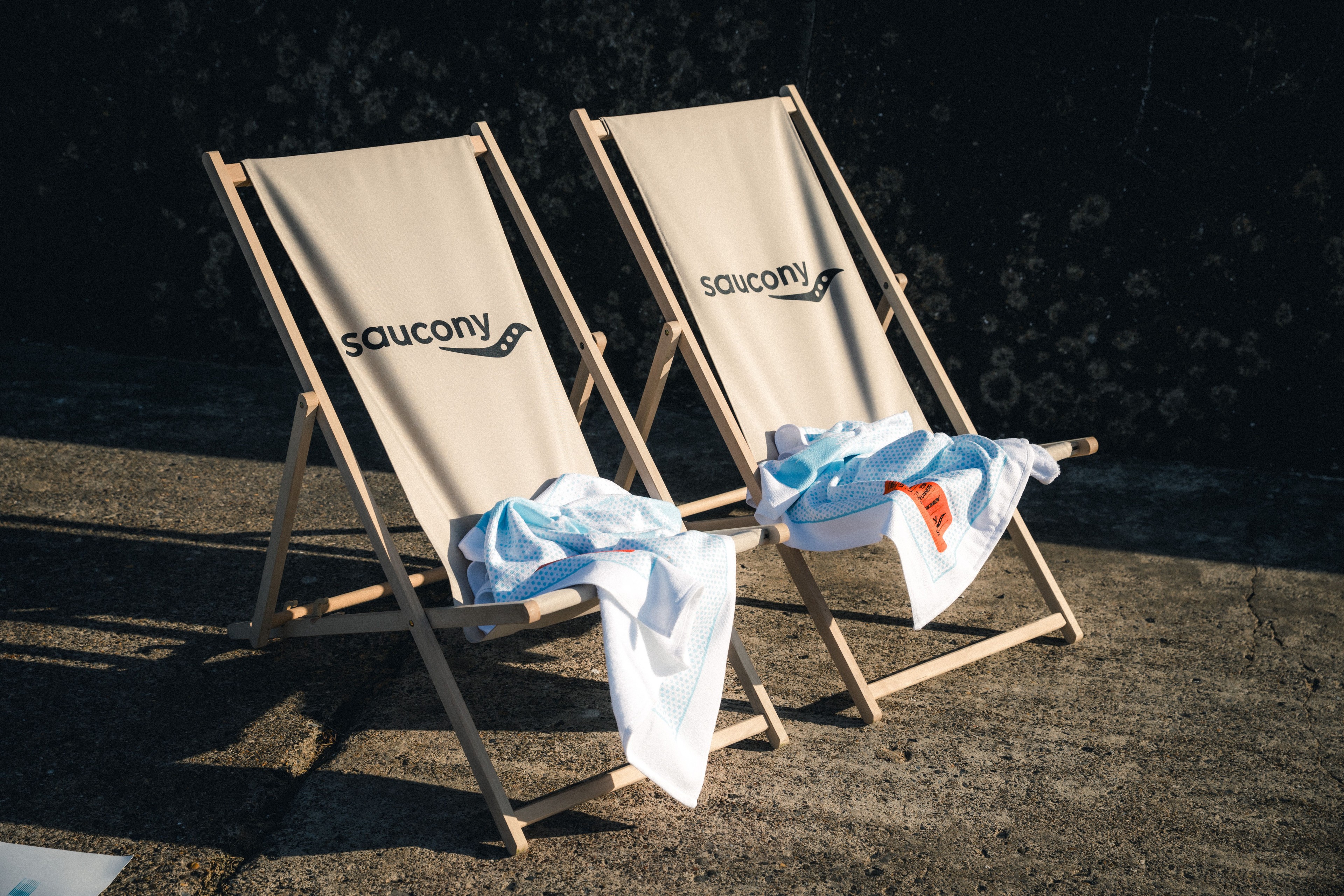
Branding gets lighter. A logo the size of a dinner plate works for exactly one owner: the one who already has a reason to wear the brand. Everyone after that inherits someone else's marketing. A subtle mark, a colour choice, a craft detail nobody had to explain: that's what travels.
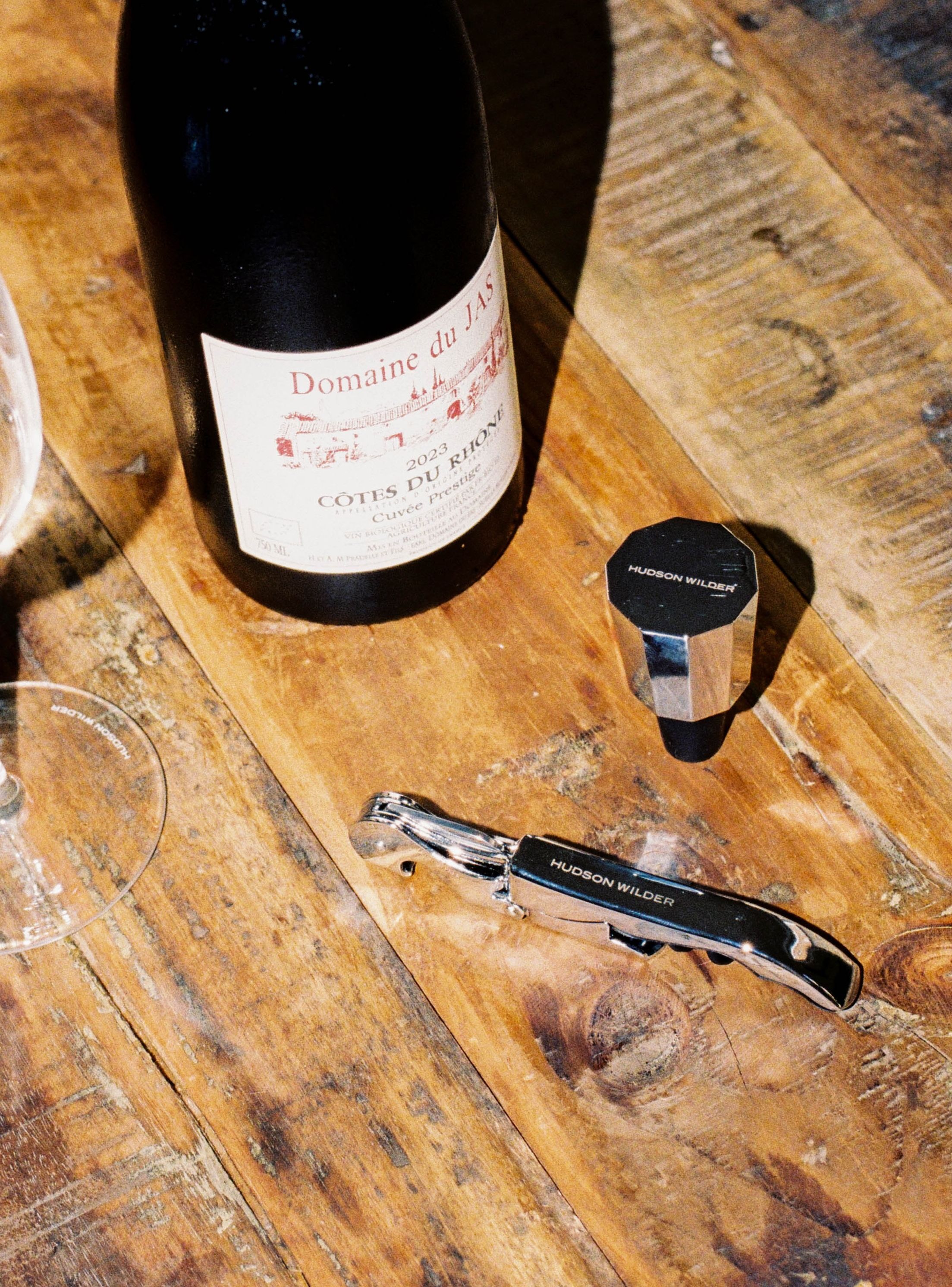
Quality stops being optional. Nobody regifts something cheap. A flimsy notebook or a mug that chips goes straight in the bin, not to a sister. Materials that age well and finishes that don't peel aren't luxury flourishes. They're the difference between an object with one life and an object with three.
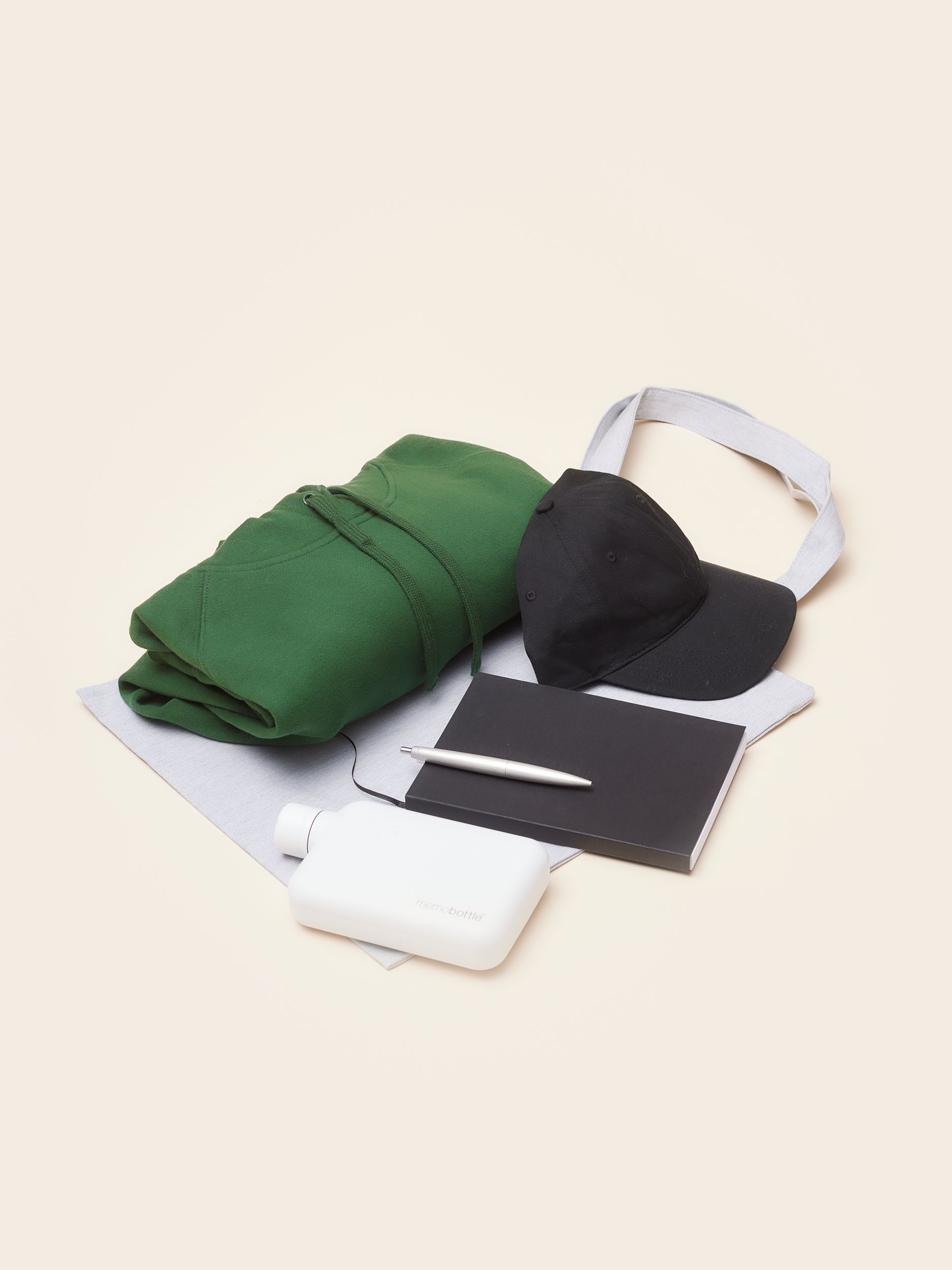
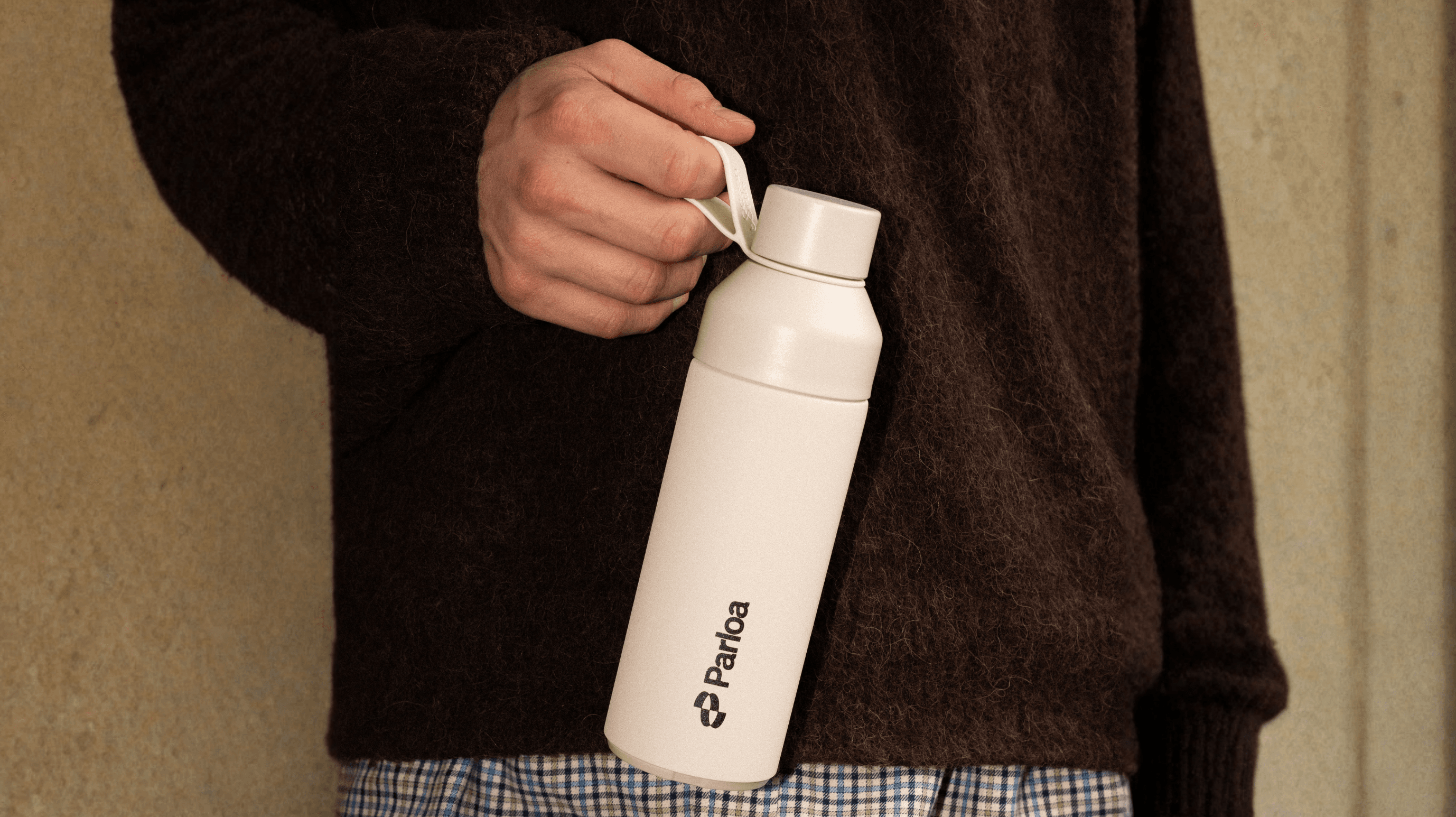
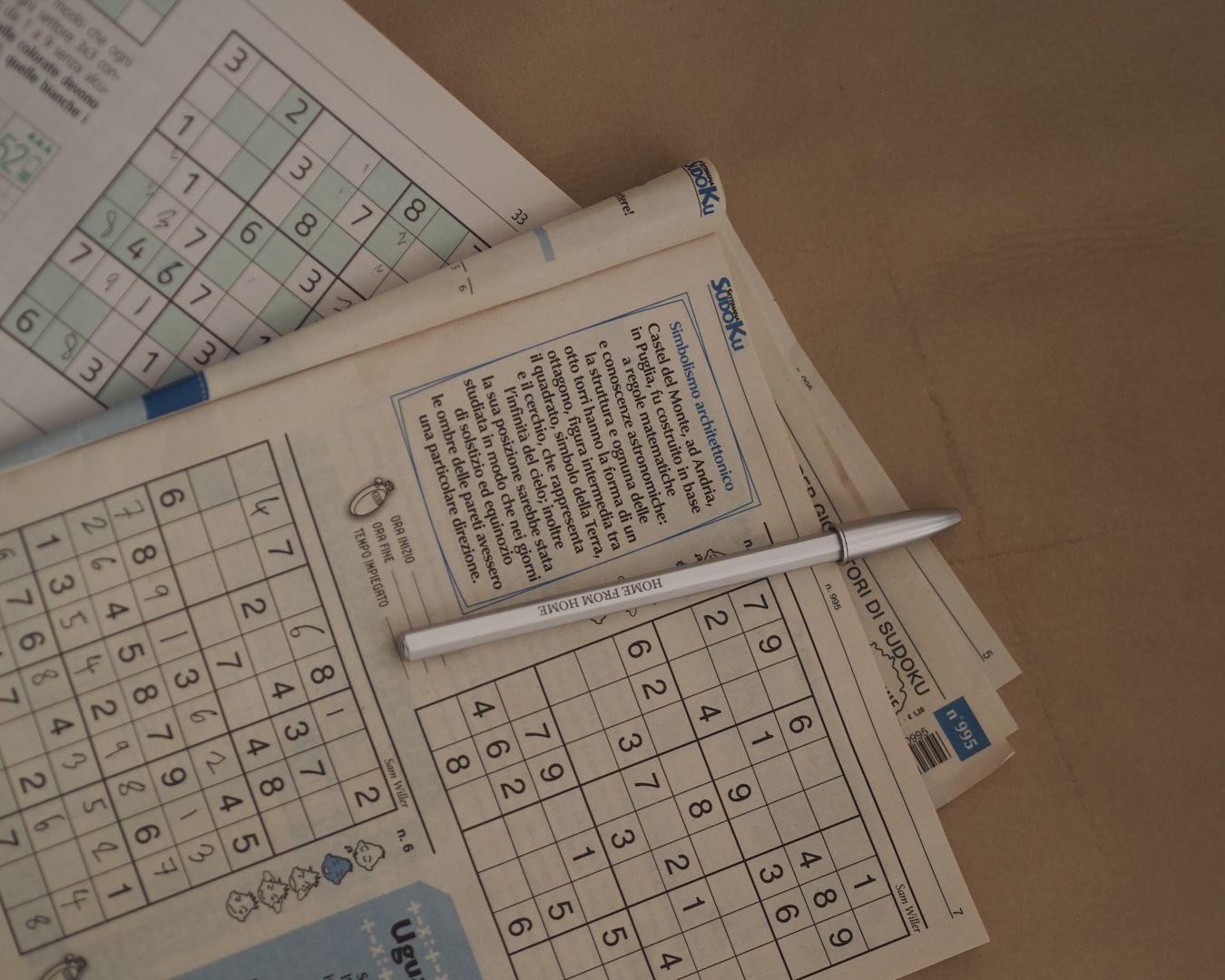
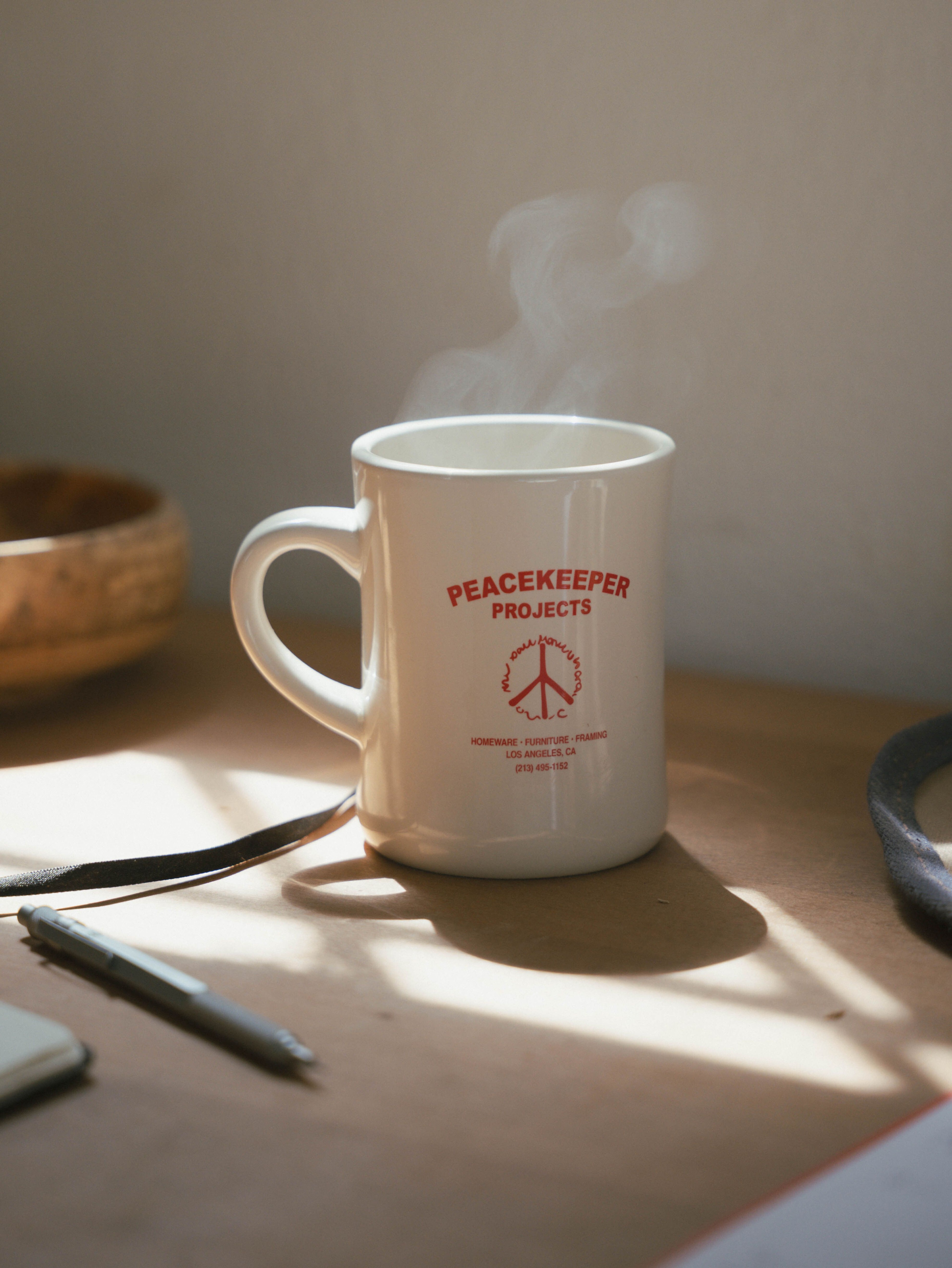
Usefulness becomes universal. The best passed-along gifts work for almost anyone: a good pen, a well made bag, a bottle that keeps coffee hot on someone else's commute too. Hyper-personalised gifts (the mug with a client's dog's name on it) rarely survive the handoff. Give people something specific enough to feel considered, general enough to travel.
And the story has to hold up without you in the room. The first owner might know the brand behind the gift. The second one almost never does, and doesn't need to. If the object still makes sense stripped of its original context, on design and quality alone, it was designed right.
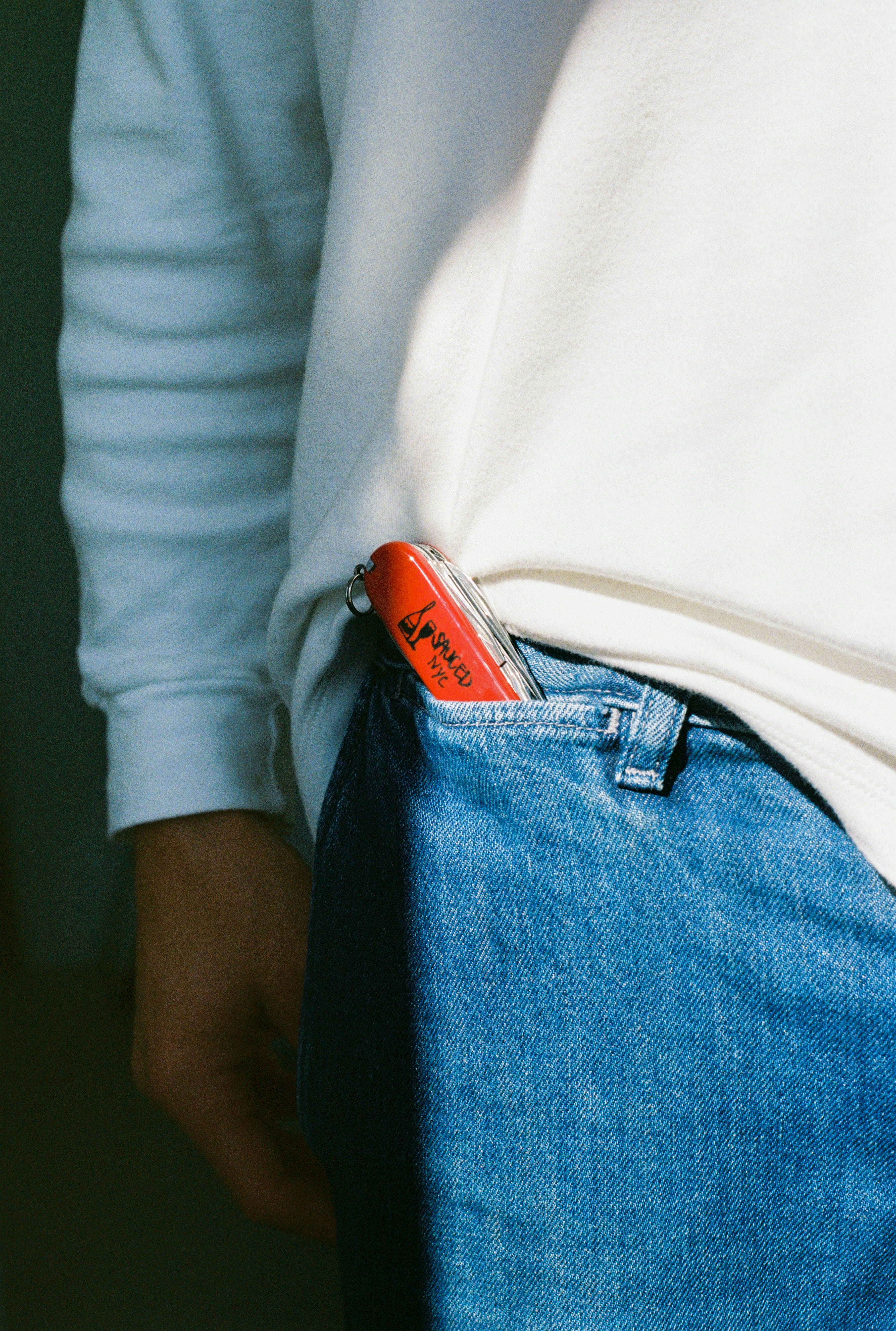
Every EOY campaign carries an unspoken second audience: whoever the first recipient decides to pass the gift to. That's reach no media plan accounts for, and it only happens if the object earns it.
It also changes what a good debrief looks like. Open rates and thank you emails measure the first moment. They say nothing about week six, when the flask is still the one a colleague grabs before every train, or the notebook has made its way to someone who's never heard of the brand that gave it. That's the metric that actually compounds. It's just harder to screenshot.
This isn't really a gifting policy question, or even a sustainability one, though it helps with both. It's a design question. Maybe the design question: are we making objects, or are we making moments that end the second the wrapping paper hits the recycling bin?
The book that ended up with your sister did its job twice. Once for you, once for her. That's not a consolation prize. That's what good design was supposed to do all along.