Blog—22 SEPT. 2026
When merch becomes part of the brand strategy, not just the swag bag
# **When merch becomes part of the brand strategy, not just the swag bag** There is a certain moment in every brand project when the thinking has to leave the screen. The strategy has been written. The identity has been designed. The campaign has been approved. The launch date is getting closer. Then someone asks: “What are we doing for merch?”
Too often, that question comes at the very end. By then, the budget has been mostly allocated, the visual language has been established, and the merchandise is expected to somehow carry the brand without having been part of the conversation.
That is how merch becomes a swag bag.
But it can be something else entirely.
The best branded products are not simply objects with a logo on them. They are physical expressions of a brand’s point of view. They can make an identity tangible, extend a campaign into everyday life, or give people something they actually want to keep.
For creative agencies, that makes merch less of a production detail and more of a brand touchpoint.
The difference is in the brief
You can usually tell very quickly whether merch is being treated strategically.
A swag brief tends to begin with quantity, budget and logo placement. It asks for “something nice” for an event, or a product that can be delivered quickly to a large group of people.
A brand-led brief starts somewhere else.
Who is this for? What should the object make them feel? Where will they receive it? Will they use it once, or will it become part of their daily life? What does the product say about the brand when the logo is barely visible, or not visible at all?
The difference is not that one brief contains more words. It is that one treats the product as an output, while the other treats it as part of the experience.
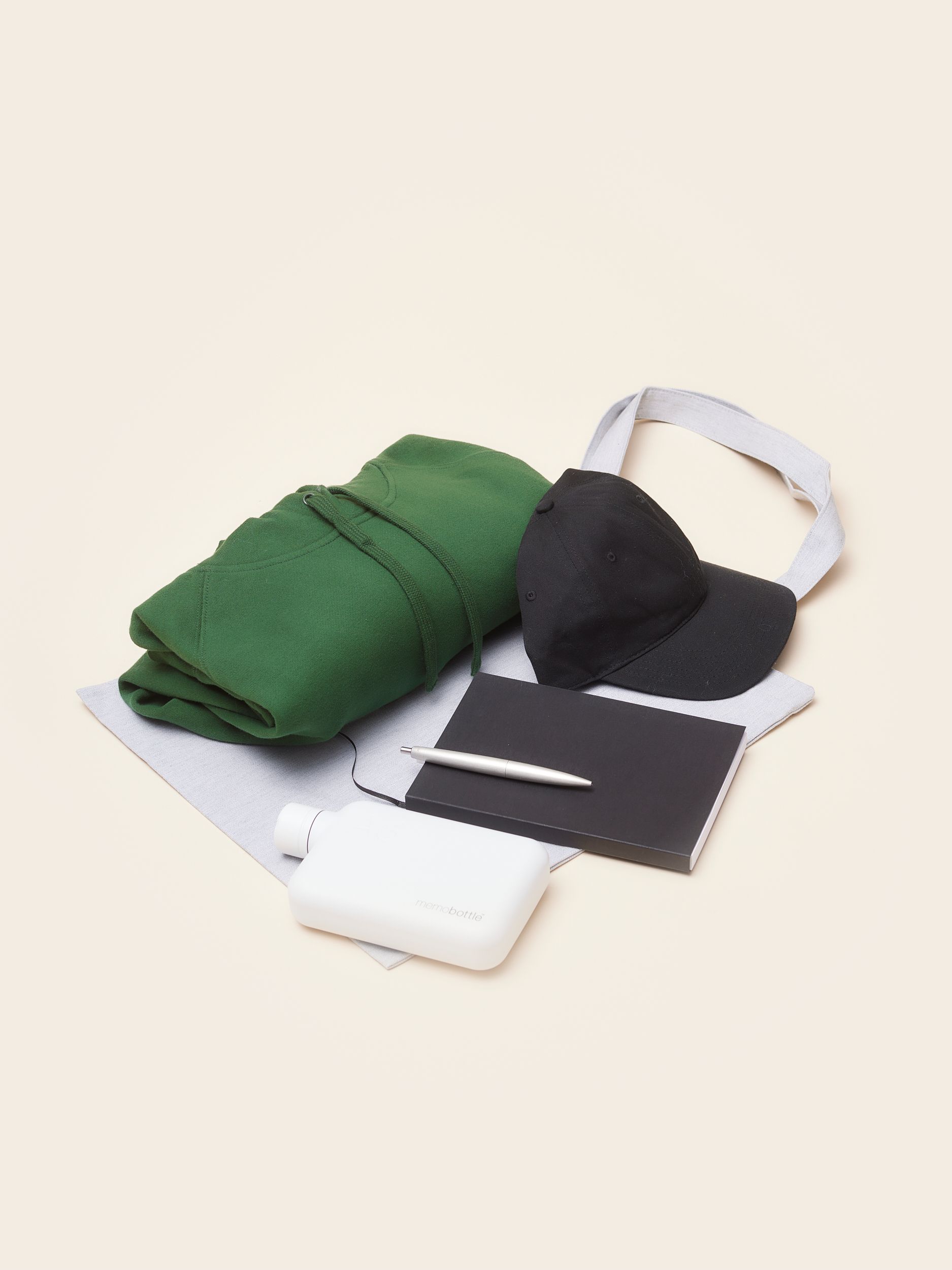
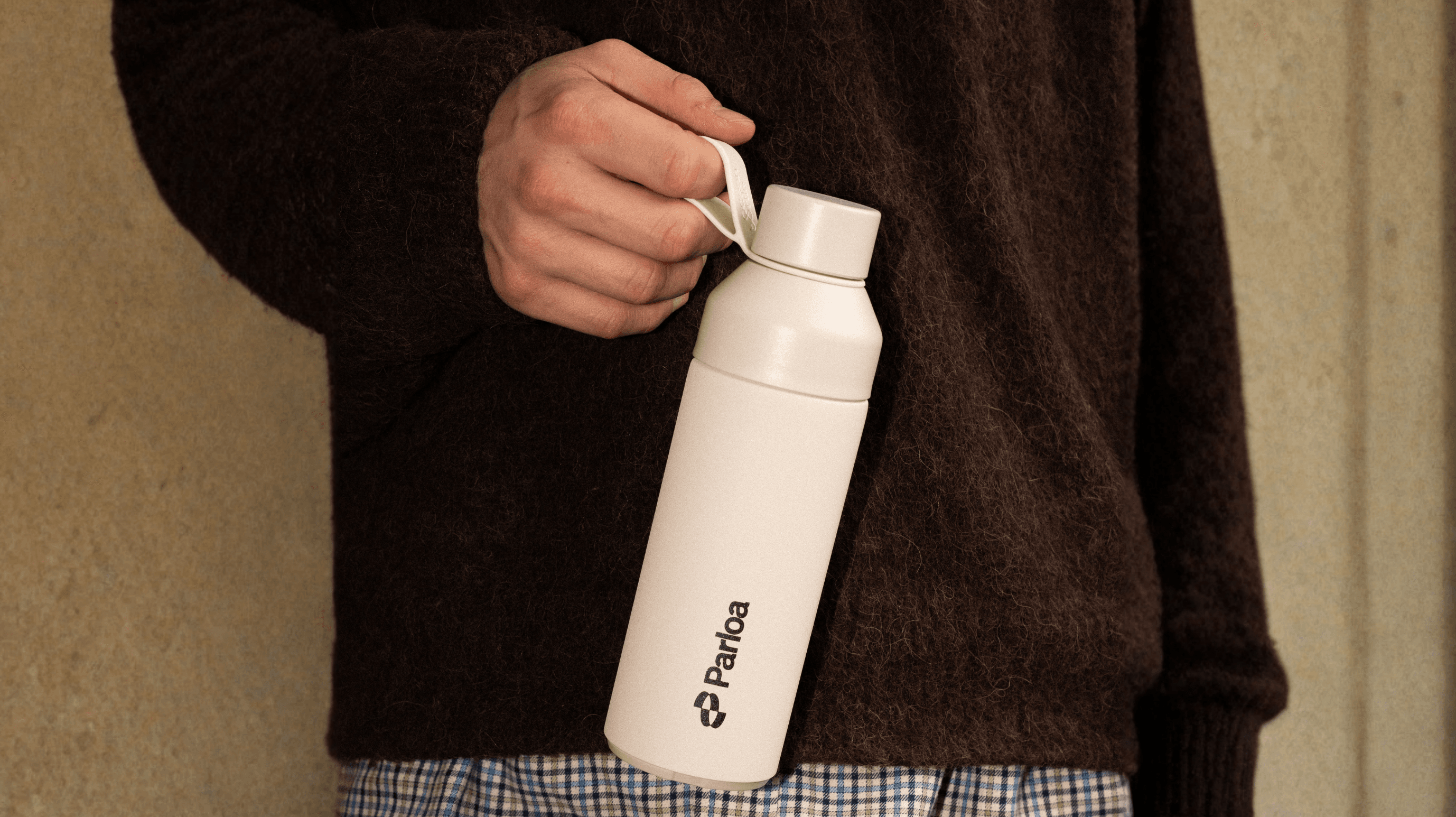
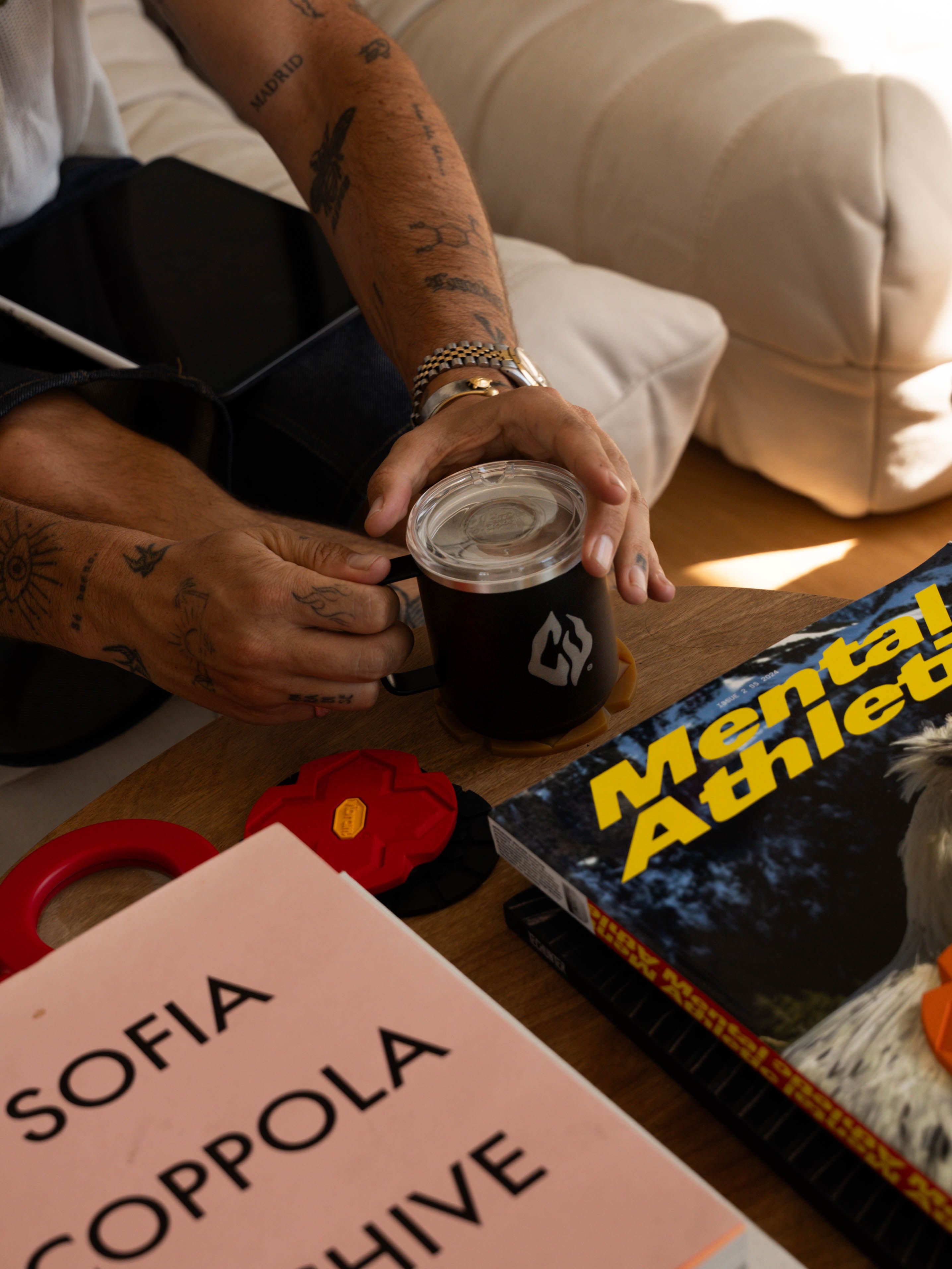
A branded tote at a conference is one thing. A beautifully made bag chosen because it reflects the brand’s attitude to utility, movement and design is another. A bottle handed out with a logo on it is one thing. A carefully selected piece of drinkware, chosen for its material, shape, colour and longevity, can become a quiet but repeated reminder of the brand.
The logo is still part of the conversation. It is just no longer the whole conversation.
Where agencies fit in
Agencies do not need to arrive with every product decision already made. In fact, the most interesting projects often begin with a shared exploration.
The agency brings the brand strategy, the creative direction and the understanding of the audience. A merch partner should help translate those ideas into materials, products, finishes, colours, quantities and practical next steps.
That is where the conversation becomes useful.
A strong agency brief might include the campaign idea, the intended audience, the setting, the desired feeling and the role the product needs to play. From there, the product selection can follow.
Sometimes that means choosing one excellent object rather than five average ones. Sometimes it means developing a small family of products that work together. Sometimes it means moving away from familiar categories altogether.
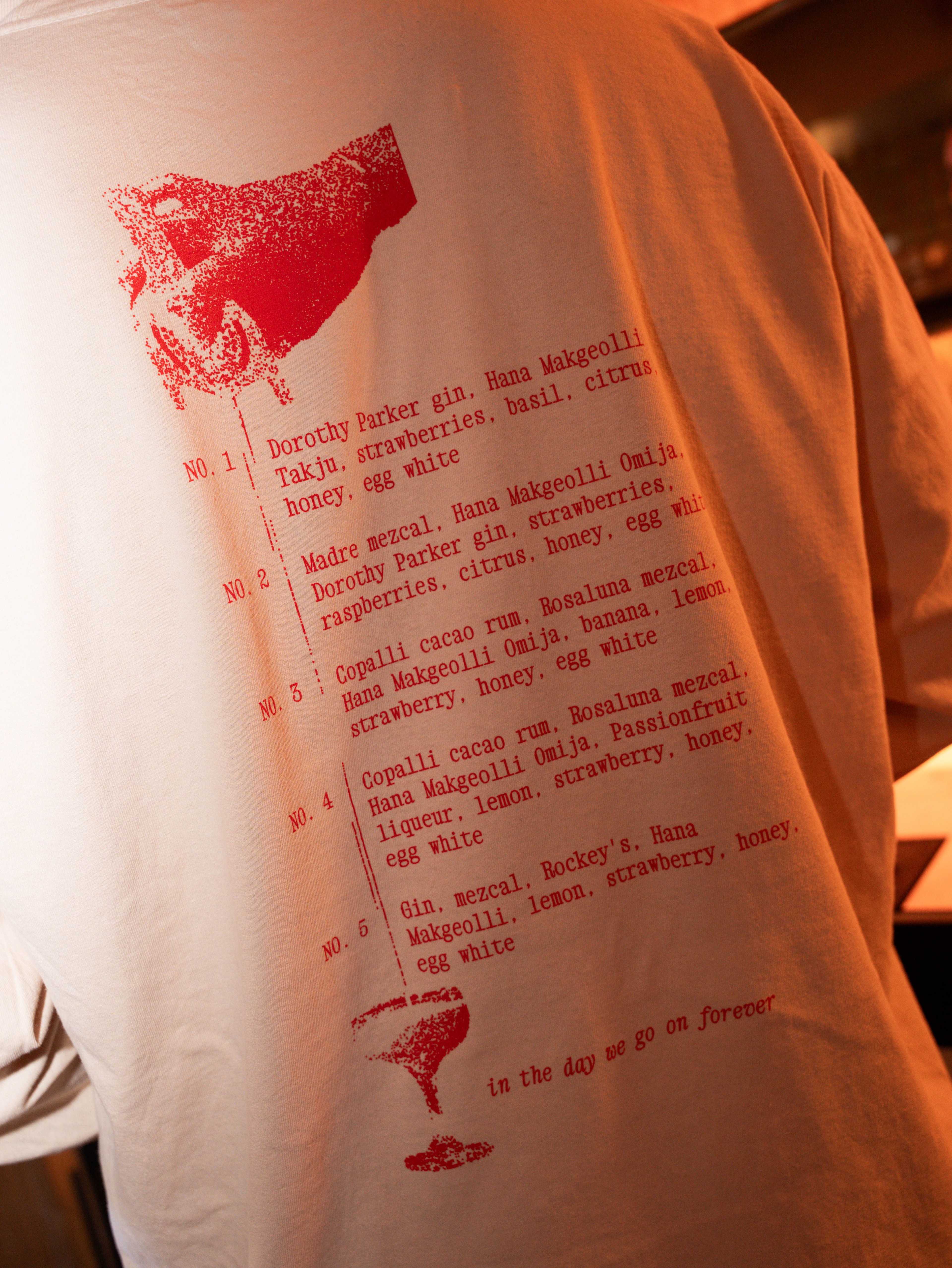
The right answer might be a considered notebook, a durable travel item, a distinctive piece of drinkware or a useful object that the recipient did not expect to receive from a brand. The point is not to be unusual for the sake of it. The point is to find the object that makes the idea feel real.
Curation is part of the creative work
When merch is treated as an afterthought, the usual response is to add more options.
More colours. More categories. More products. More links to send around internally.
But more choice does not always create a better result. It can create decision fatigue, especially when the people choosing the merch are already managing a client, a campaign, a budget and a deadline.
Curation is valuable because it creates a point of view.
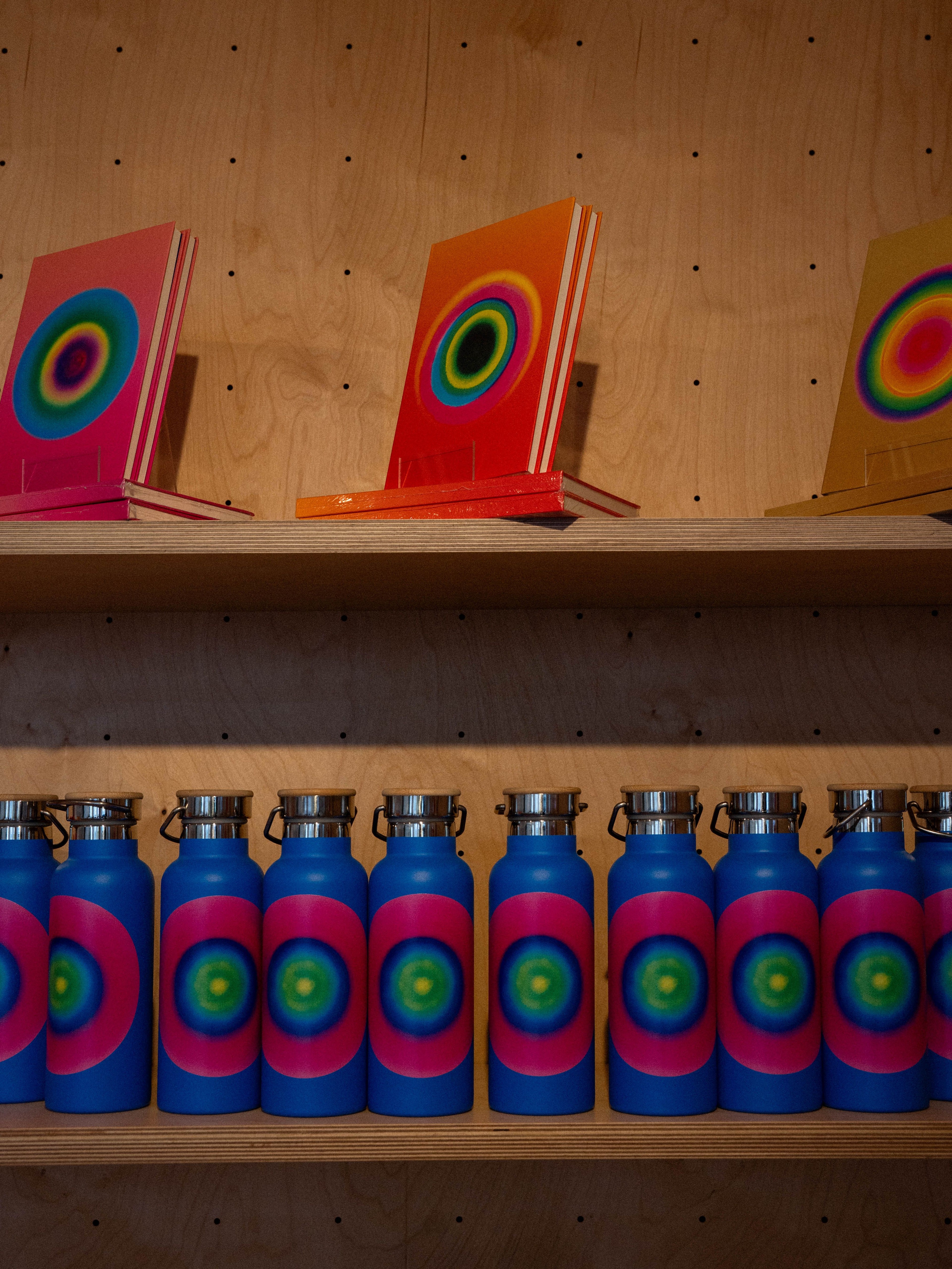
A curated selection says: these products work together, this one is better for a client gift, this one is more appropriate for an event, this one has the right feel for a premium audience, and this one will make sense beyond the launch moment.
That guidance does not replace the agency’s creative thinking. It gives the thinking somewhere physical to go.
The same principle applies to tiers. A tiered approach should not simply mean a cheaper version, a standard version and an expensive version. Used well, it gives agencies a clearer way to match the product to the role it needs to play.
A team welcome kit, a client gift and a campaign launch object may all carry the same brand, but they do not need to carry the same level of finish, storytelling or investment.
The important thing is to decide that intentionally.
The products matter, but so does the restraint
Strategic merch is often less branded than people expect.
That can feel counterintuitive. If the purpose is to promote a brand, why not make the logo bigger?
Because recognition is not the same as visibility.
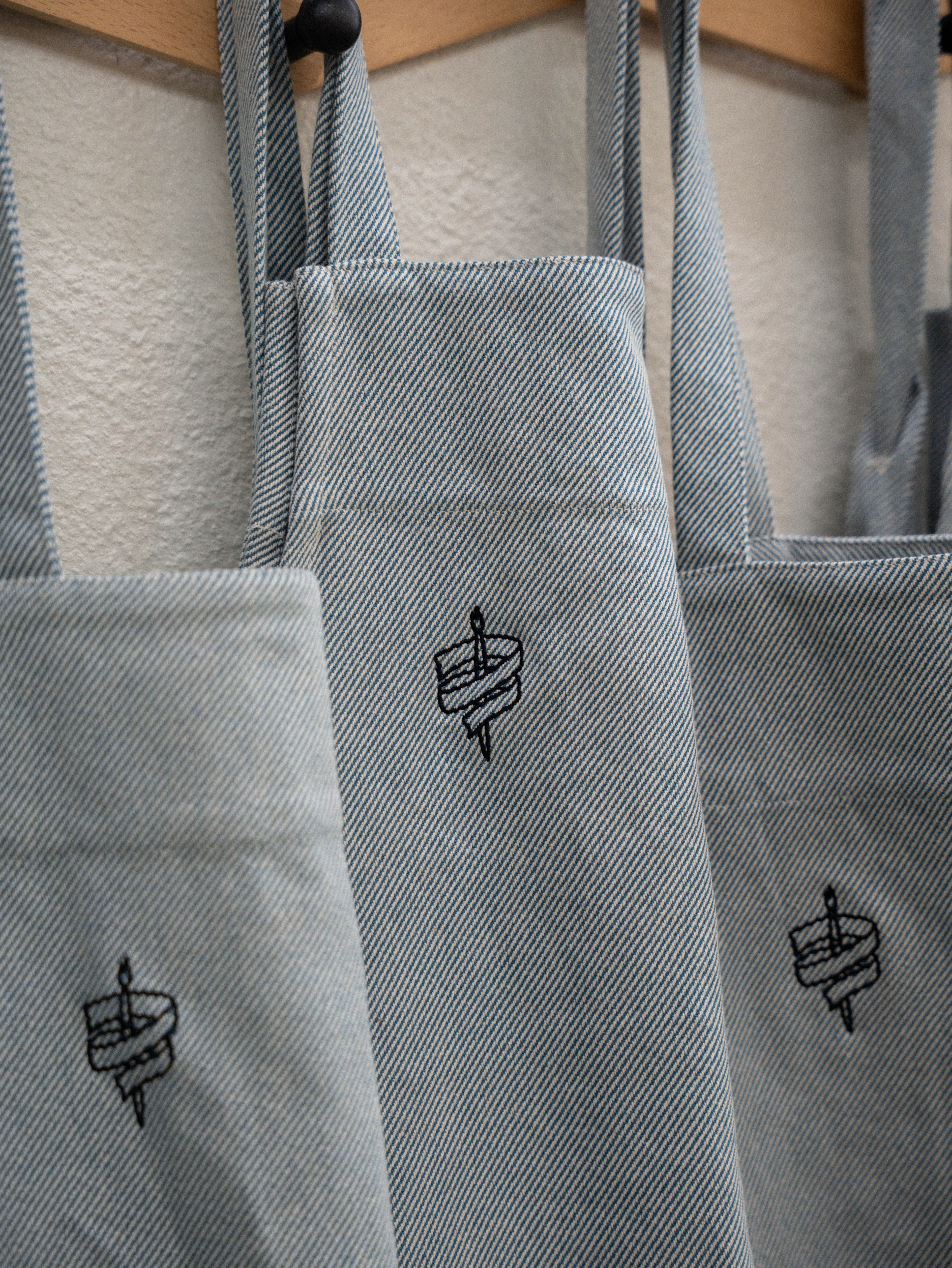
A product can carry a brand through its proportions, colour, materials, packaging, finish and usefulness. A small, precise mark on a product people want to use can create more value than a large logo on something they will leave behind.
This is also where quality becomes part of the strategy. Customers are not only responding to the product itself. They are responding to what the product implies about the brand that chose it.
A poorly made object says something. So does a thoughtful one.
For agencies, that means production is not separate from the creative idea. The choice of material, printing technique, colour accuracy, packaging and delivery all affect whether the idea survives contact with the real world.
The most common mistake is waiting too long
The biggest mistake is not choosing the wrong product.
It is bringing the product into the project too late.
When merch is briefed after the brand, campaign and event have already been finalised, there is less room to make a genuinely considered choice. The result is usually a compromise: a product that is available, affordable and technically possible, but not especially connected to the idea.
Late briefing also creates practical pressure. There is less time for sampling, fewer options for production and less room to solve problems when colour, placement, stock or finish do not behave as expected.
That is why merch should enter the conversation at the same moment as other brand applications. Not necessarily with a shopping list, but with a question:
If this brand had a physical presence, what would it feel like?
The answer may change the product choice completely.
What good merch looks like
Good merch does not need to be loud. It needs to be specific.
It understands the audience. It fits the occasion. It respects the brand system. It feels good in the hand. It has a reason to exist beyond the logo.
It might be a product people use every day. It might be a gift that makes a client feel genuinely considered. It might be an object that helps a campaign live beyond its original media placement.
Most importantly, it should not feel like something that was added at the last minute to fill a bag.
It should feel inevitable, as if the object was part of the idea from the beginning.
The next phase of branded merchandise
The relationship between brand strategy and merch is heading in one direction: closer together.
As brands become more intentional about physical spaces, communities, events, gifting and internal culture, branded products will increasingly be treated as part of a wider brand ecosystem.
That does not mean every campaign needs a product. It means that when a product is used, it should have a clear role.
The most interesting agency briefs will move beyond:
“Can you put our logo on this?”
They will ask:
“What should this brand leave behind?”
That is the shift.
From swag to signal. From giveaway to touchpoint. From product selection to physical brand expression.
And once merch is treated that way, it becomes much more interesting to make.