Blog—24 JUIN 2026
Why your welcome kit is your most underrated retention tool
You've spent thousands hiring the right person. Don't lose them in the first week.
Most companies treat onboarding as a checklist: sign the contract, set up the laptop, get the ID badge. We've spoken to hundreds of HR and People teams across Europe. The ones who put thought into their welcome kit consistently tell us the same thing: new hires mention it. On their first day, in their first team meeting, sometimes months later. A well-chosen kit gets talked about in a way that a laptop setup never does.
The data backs this up. Companies have just 44 days to influence a new hire's long-term retention (BambooHR, 2023). What happens in that window is a series of small signals about who you are, what you value, and whether this person made the right call joining you.
Your welcome kit is one of the loudest and first signals you can send.
What is a welcome kit (and what it's actually saying)?
A welcome kit is the collection of branded items and materials a new employee receives when they join your company. At its most basic, it might be a notebook and a pen. At its best, it's a carefully curated experience that communicates one thing clearly:
"We thought about you before you even walked in the door."
That distinction matters more than most HR teams realize. A generic kit says "you're employee #47." A thoughtful, well-branded kit says "you belong here." We've seen both. The difference in how new hires talk about them is immediate.

The real ROI of a welcome kit
Let's talk numbers. The average cost of replacing an employee is estimated at 50–200% of their annual salary, depending on the role. (Gallup / SHRM). A quality welcome kit typically costs between €50 and €200 per person.
If it makes even one employee feel more connected to the company in those first critical weeks, it pays for itself many times over.
But retention isn't the only thing we hear customers talk about:
- Time to productivity: New hires who feel genuinely welcomed tend to ask more questions earlier and integrate faster. A kit signals it's safe to show up fully from day one.
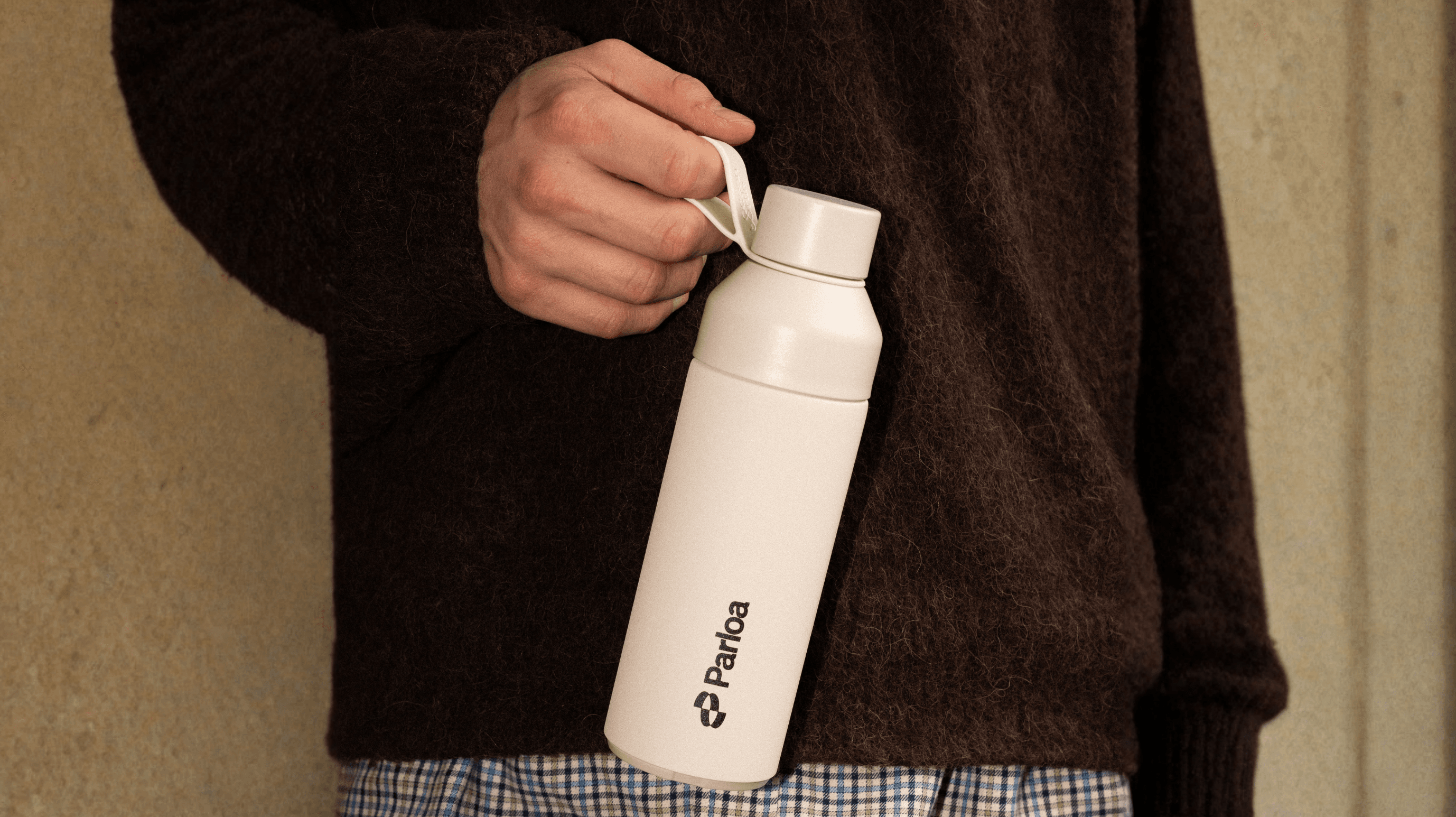
- Brand visibility: The items that get used outside the office, a water bottle at the gym, a jacket on the commute, extend your brand to places no ad campaign reaches. We see this most with apparel and drinkware.
- Culture setting: The quality of your kit sets an expectation. If you invest in a well-made, thoughtful set of products, new hires notice. If you cut corners, they notice that too.
What makes a welcome kit actually work
Not all welcome kits are created equal. Here's the difference between one that collects dust and one that gets talked about at dinner:
1. It reflects who you are, not just your logo
Slapping a logo on a cheap tote bag is not brand building. The best kits we see use products that reflect what the company actually stands for. A sustainability-focused company gives eco-friendly products. A design studio gives beautiful objects. A tech company chooses things that feel premium, functional, and built for daily use.
The logo is secondary. The product choice is the message.
2. Make it useful, so it’s out there
A Kinto insulated water bottle that gets used every morning beats a branded stress ball that ends up in a drawer. The items we see used most are the ones people would have bought themselves: a Merchery notebook for their first weeks of notes, a Kaweco fountain pen that feels like something worth keeping, a Rains tote for their daily commute.
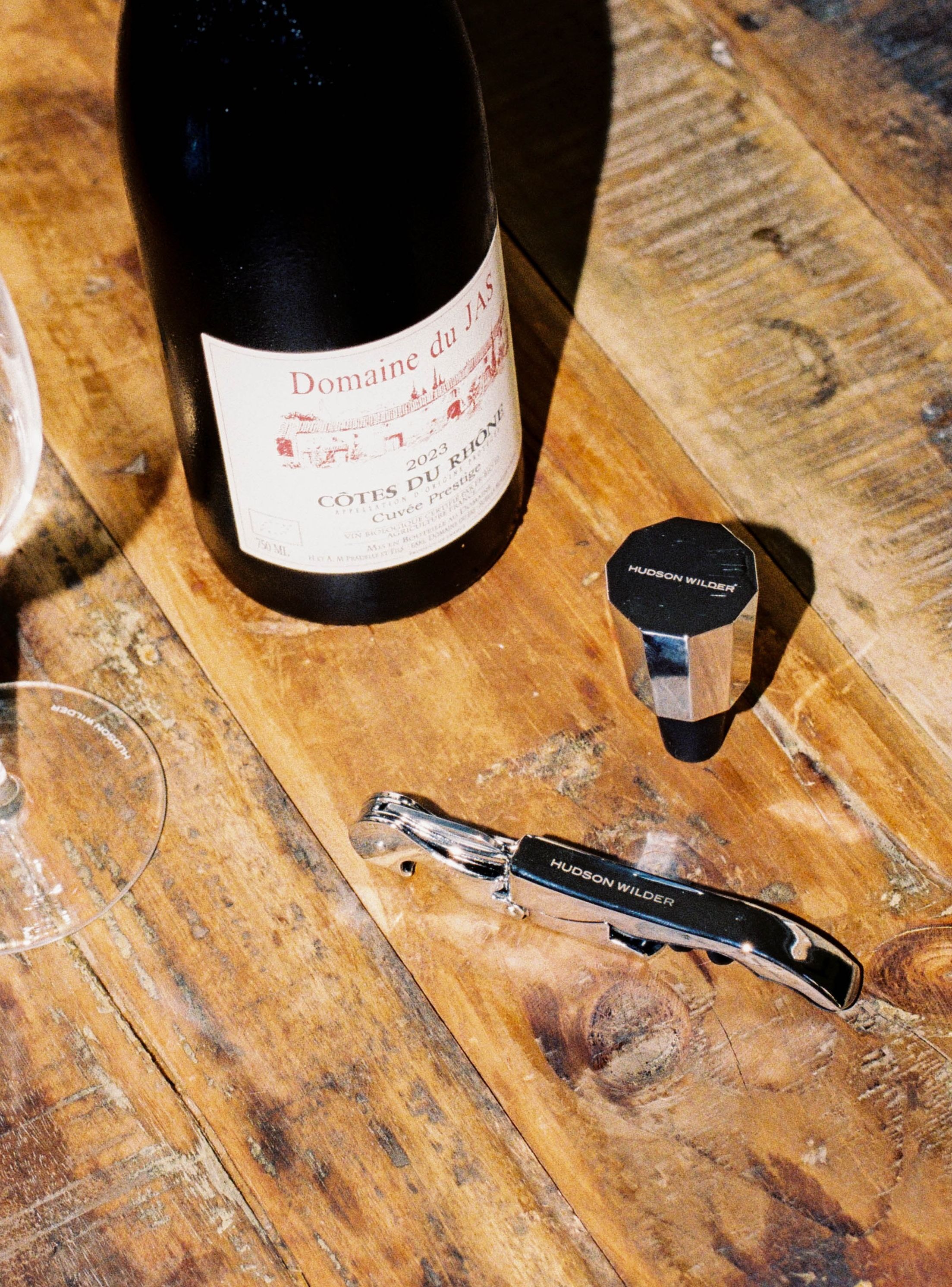
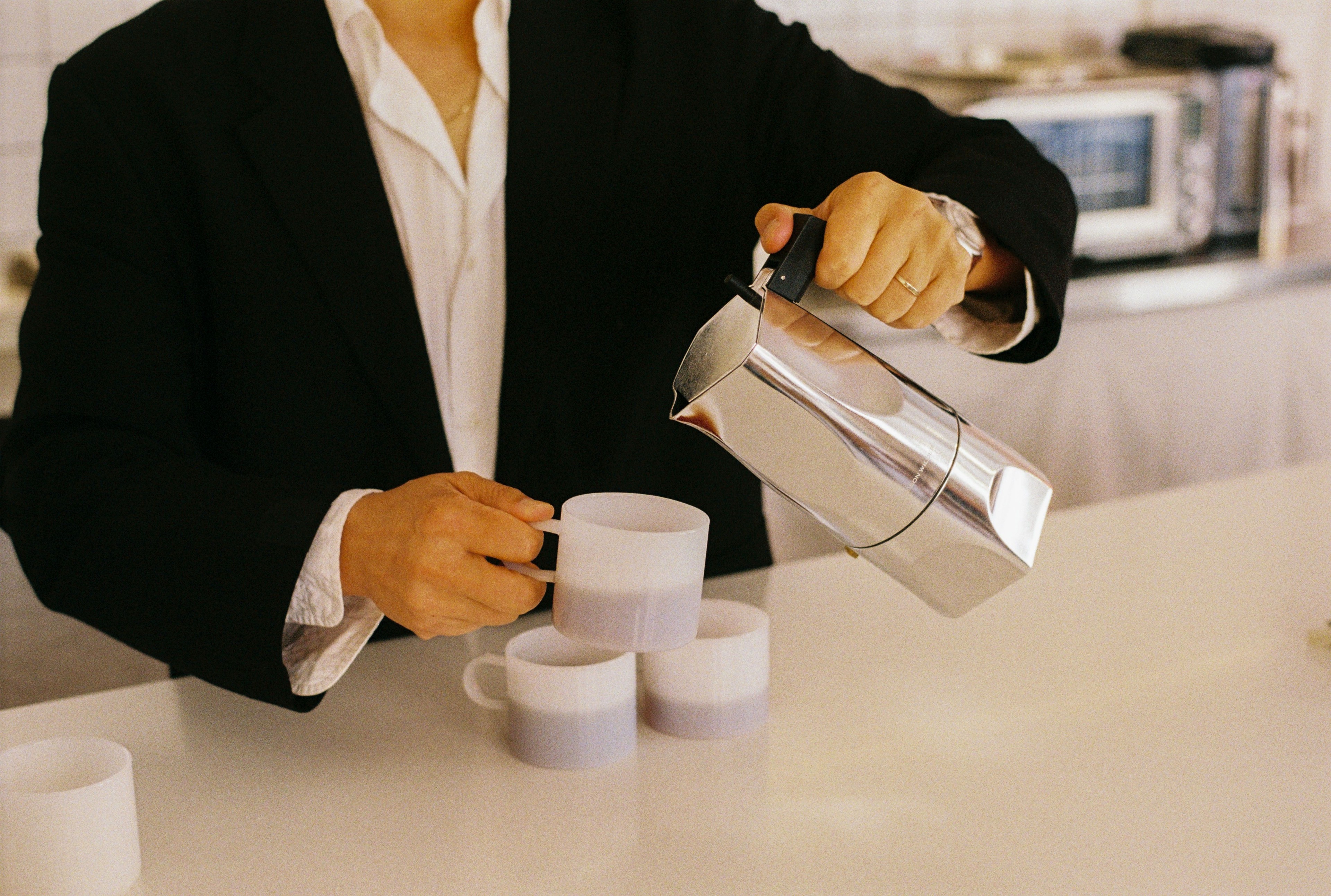
And if you can, include something that reflects what your team does together. A Db Journey weekender if your team travels. An Alessi moka pot or Americano tumbler if your office runs on good coffee. One item that says "this is who we are", not just "this is our logo."
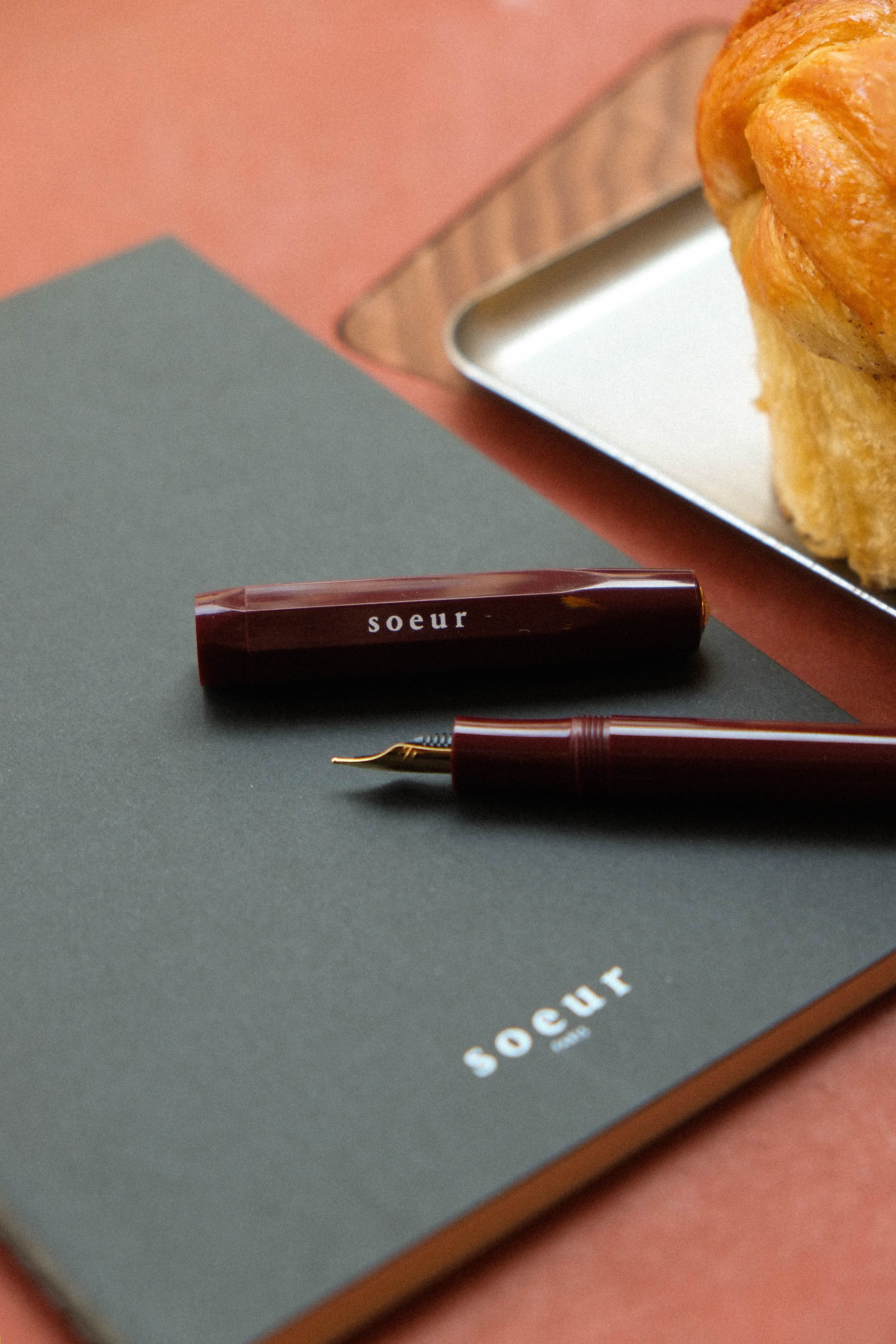
3. It's waiting on their desk by day one
The timing matters as much as the contents. A kit waiting on their desk before a new hire has even sat down sends a message before a single word is exchanged. One handed over a week later sends a different one.
This is also where we see the most last-minute stress. Plan the delivery date first (ideally a few days before the new employee is set to start), then work backwards to the order date. For remote employees, aim for the kit to arrive 1–2 days before their start date, not on the day itself.
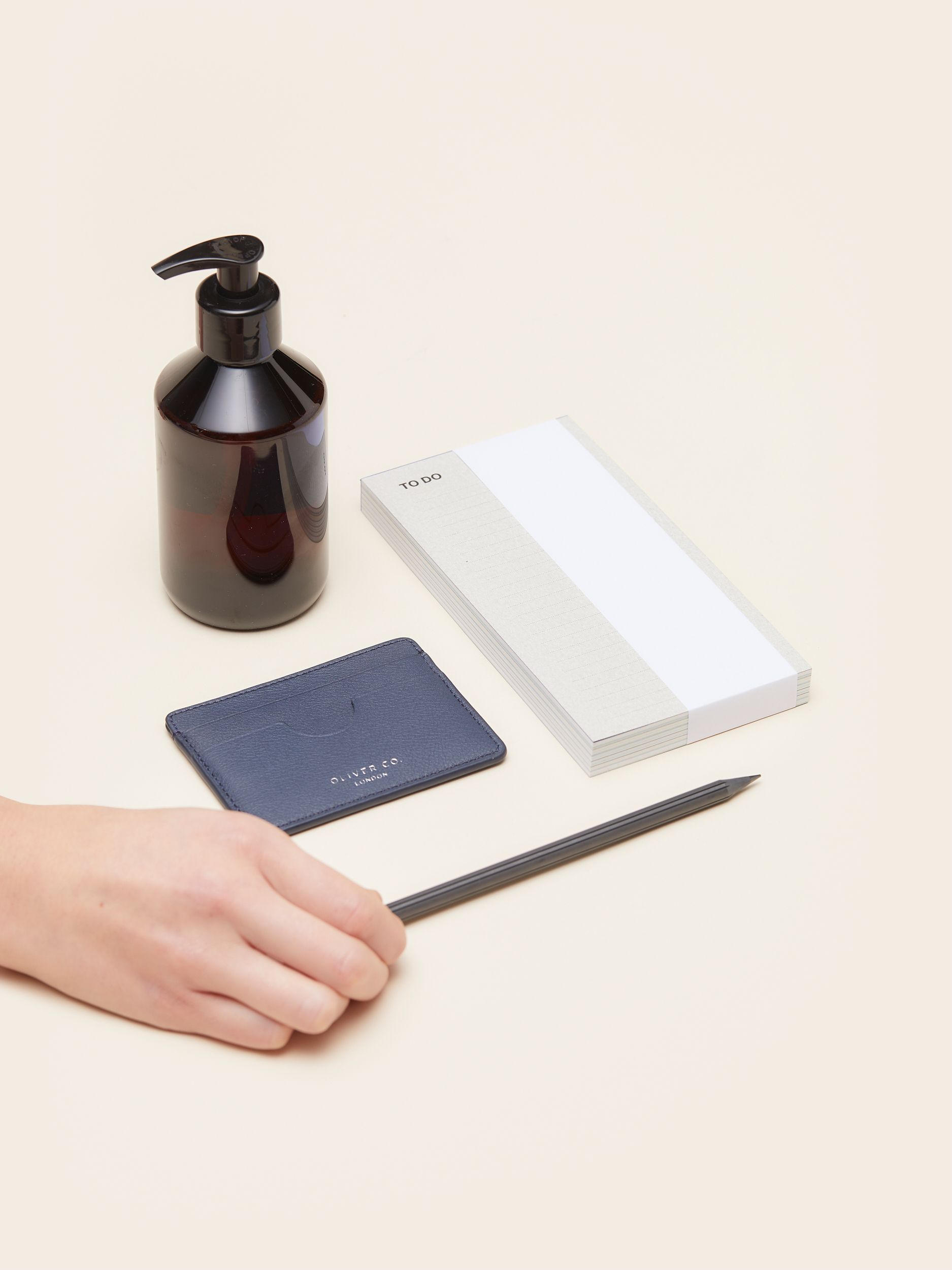
4. It's personalised where it counts
You don't need to personalise every item. But a handwritten note, the employee's name on the box, or a small local touch goes a long way. And if they've shared anything about themselves during the hiring process, their hobbies, their interests, use it. The kits that get mentioned months later are almost always the ones where someone was clearly paying attention.
A runner might appreciate a Craft base layer or Technical socks. Someone into yoga or fitness would love a Manduka yoga mat or a Cork yoga bloc. An outdoor person might get more use out of an Opinel knife or a Snow Peak cookset than anything you'd find in a standard kit. And for the person who mentioned they travel constantly, a Passport holder or Osprey backpack will get used for years.
The best welcome kits feel curated, not assembled. One well-chosen item based on who someone actually is will be remembered long after the branded tote bag has been forgotten.

What to include in a welcome kit in 2026
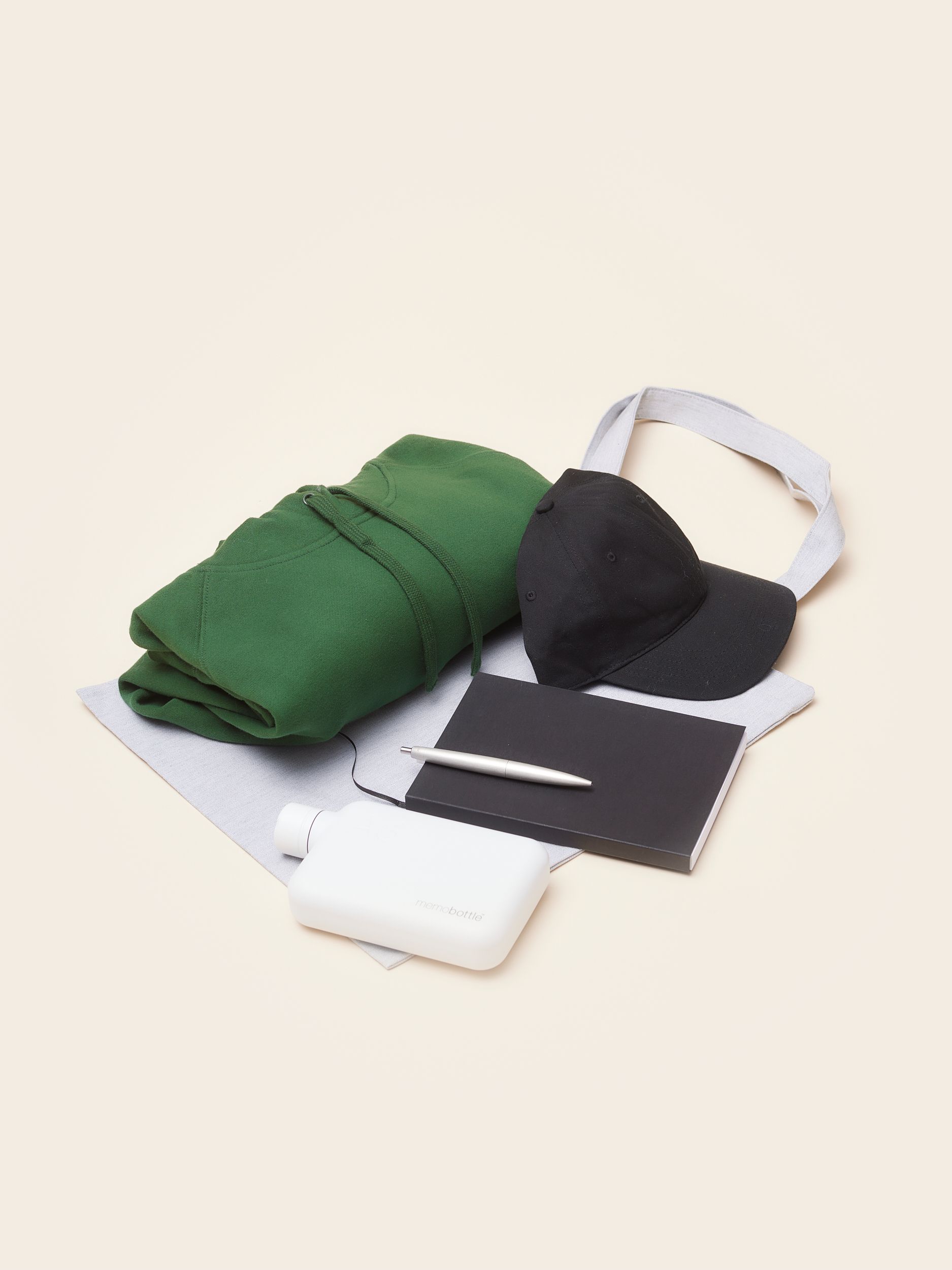
Here's a starting framework using Merchery's hand-picked products. The key is coherence - every item should feel like it belongs in the same set, and every item should feel like something worth keeping.
Want only the best? Go for products that feel like a genuine gift. Think a Patagonia sweater, a Stanley tumbler, a Leuchtturm1917 notebook, a Rains backpack, or a Moka Bialetti. Products that people would have bought themselves, and will use every day.
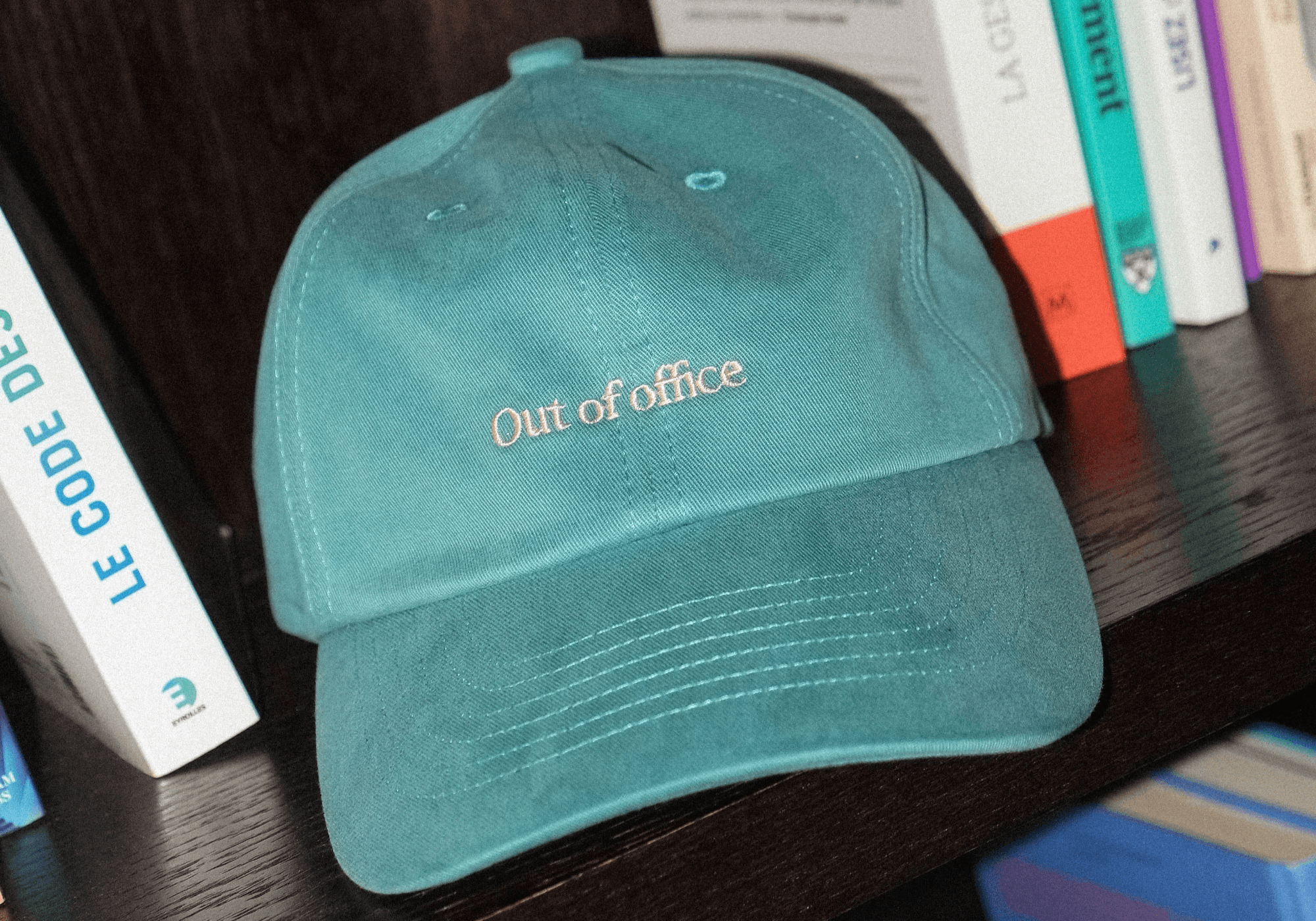
Looking for everyday favorites? A kit that feels considered without going all-in. Try a Vintage cap, an Organic Basics sweatshirt, a Kinto active bottle, an Atoma notebook, a Timeless planner, a Merchery heavy cabas, or a Lunch box. Reliable, well-made products that cover all the bases without overcomplicating the selection.
Keeping it simple? A focused two or three-item kit can be just as memorable. A Boxy recycled cotton T-shirt, an Enamel mug, a Merchery notebook, an rPET highlighter, a heavy Tote bag, or Recycled sticky notes. Choose what fits, add a personal note, and keep it clean.
These tiers are a starting point, not a rule. Some of the best kits we've seen mix a few everyday pieces with one standout item: a premium notebook paired with a simple tote, or a quality sweatshirt alongside a Merchery notebook. The combination matters more than the budget.
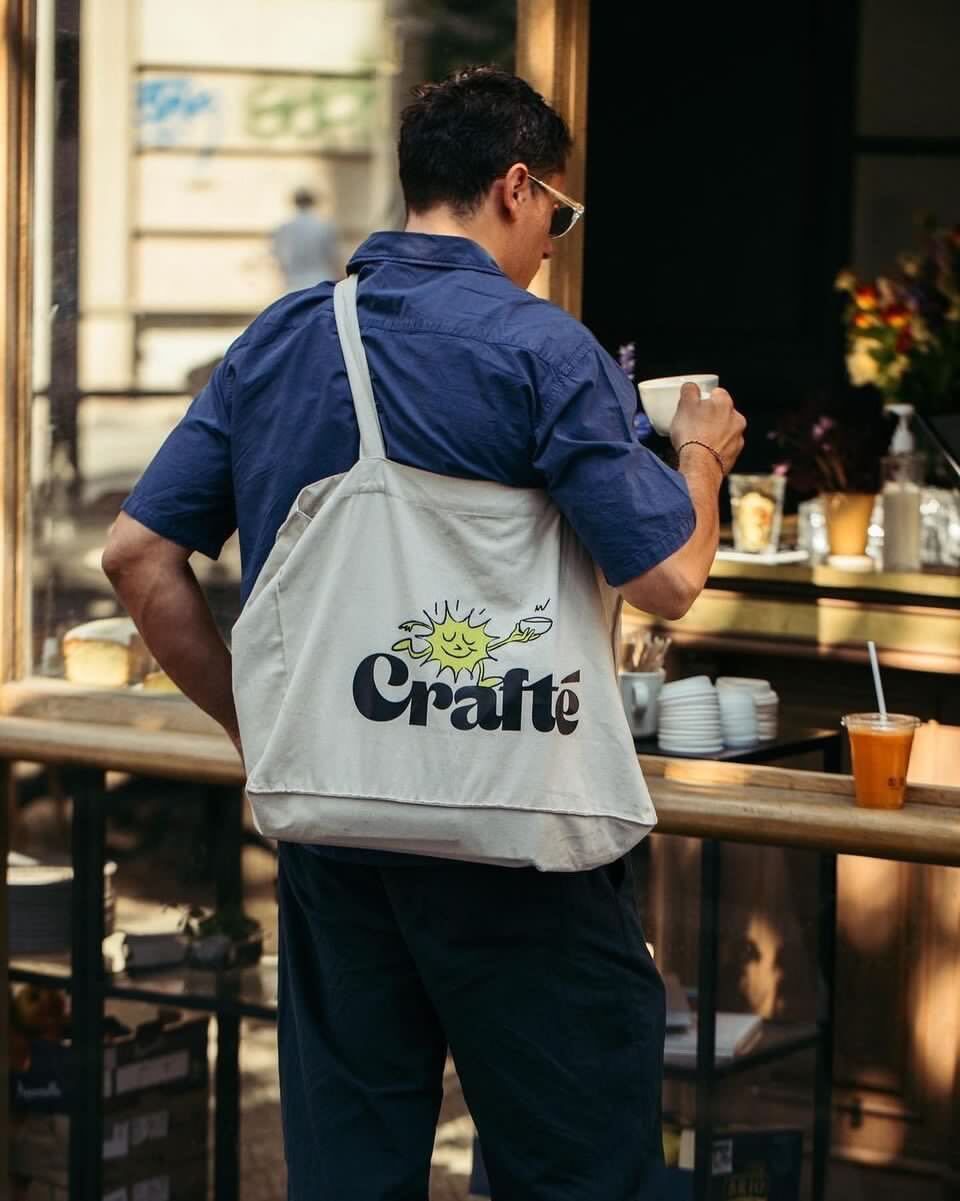
The remote onboarding argument
In hybrid and distributed teams, physical touchpoints matter more because they are rarer.
For remote and hybrid teams, the welcome kit is often the only physical connection a new employee has to the company in their first weeks. It replaces the walk through the office, the team lunch, the impromptu conversations.
A strong onboarding process can improve new hire retention by as much as 82%. (Brandon Hall Group). It's not magic. It's just the feeling of being seen.
Mistakes we see time and time again
After helping clients build hundreds of welcome kits with companies across Europe, a few patterns keep coming up. Here's what to avoid:
-
Ordering too late: This is the most common one we see. Customised items, in particular, need more time than people expect. We regularly get requests for personalised welcome kits a week before a start date, and more often than not, it's too late for anything custom. Check lead times as soon as you know a hire is confirmed and budget at least a few weeks for anything with a logo on it.
-
Going too generic: Products that could come from any company send the wrong signal. Choose items that reflect your culture and values.
-
Forgetting remote employees: If your onboarding experience varies between office and remote hires, your culture is already inconsistent. Design one kit that works for everyone, then adapt delivery.
-
Skipping the personal touch: A printed card from the team lead, a handwritten note, or a local item specific to their city changes the tone entirely. It signals that a real person put thought into this.
-
Overloading the kit: The kits we see talked about most at Merchery are rarely the biggest ones. Three quality products that get daily use will always outperform ten items that end up in a drawer. When in doubt, cut one item and upgrade another.
Frequently Asked Questions
How much should I spend on a welcome kit per employee? The most common range we see is €80–€150 per kit, which tends to cover 3 quality items with room for branded packaging. For senior hires or executive roles, €200+ is not uncommon. If you're working with a tighter budget, €30–€50 is possible with a smaller, more focused selection. A single well-chosen item beats three forgettable ones.
When should the welcome kit arrive? Ideally, before the employee's first day. For remote employees, shipping it to arrive 1–2 days before their start date creates a memorable first impression.
Should all employees receive the same kit? A consistent base kit is fine. Adding small personalised touches (a hand-written note, a local item, a role-specific item) elevates the experience without significant cost.
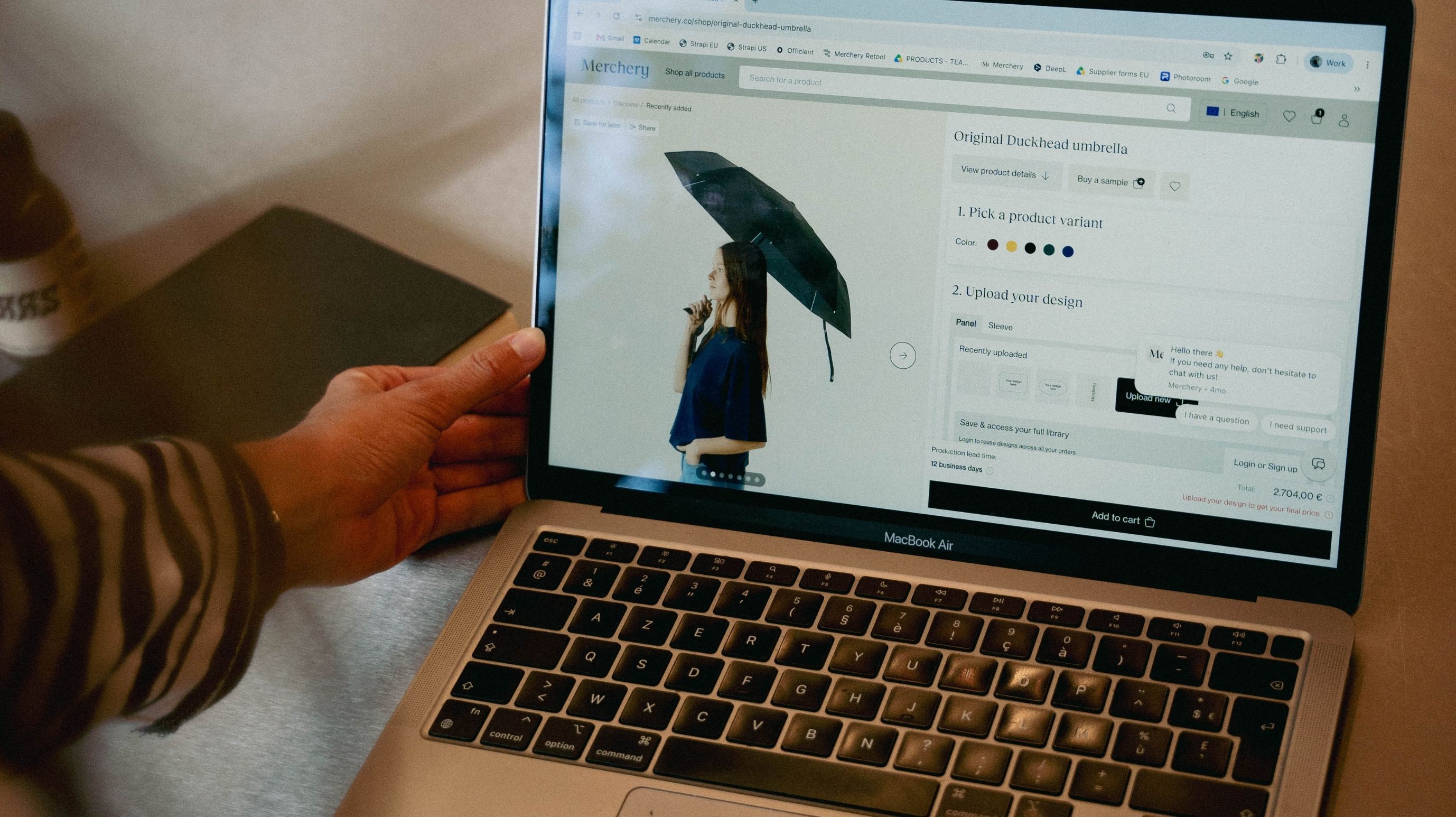
Where do I start when building a welcome kit? Browse Merchery's collections by budget or category, upload your logo to preview how each product looks branded, and order when you're ready. No sales call needed.
The bottom line
Your welcome kit is not a nice-to-have. It's one of the highest-leverage retention investments you can make, with a cost that's a fraction of what it costs to replace someone who leaves.
From their first day, you have 44 days. Make them count.
Ready to build a kit? Browse Merchery's welcome gifts collection, upload your logo to preview exactly how each product looks branded, and order when you're ready. No sales call needed.
Sources:
BambooHR. (2023). Onboarding statistics 2023. BambooHR. https://www.bamboohr.com/resources/guides/onboarding-statistics-2023
Gallup. (n.d.). Employee turnover is preventable, often ignored. Gallup Workplace. https://www.gallup.com/workplace/646538/employee-turnover-preventable-often-ignored.aspx
SHRM. (n.d.). The myth of replaceability: Preparing for the loss of key employees. SHRM Executive Network. https://www.shrm.org/executive-network/insights/myth-replaceability-preparing-loss-key-employees
StrongDM. (n.d.). Employee onboarding statistics [citing Brandon Hall Group]. StrongDM. https://www.strongdm.com/blog/employee-onboarding-statistics