Blog—29 JANV. 2026
Duplex: Furniture design with what already exists
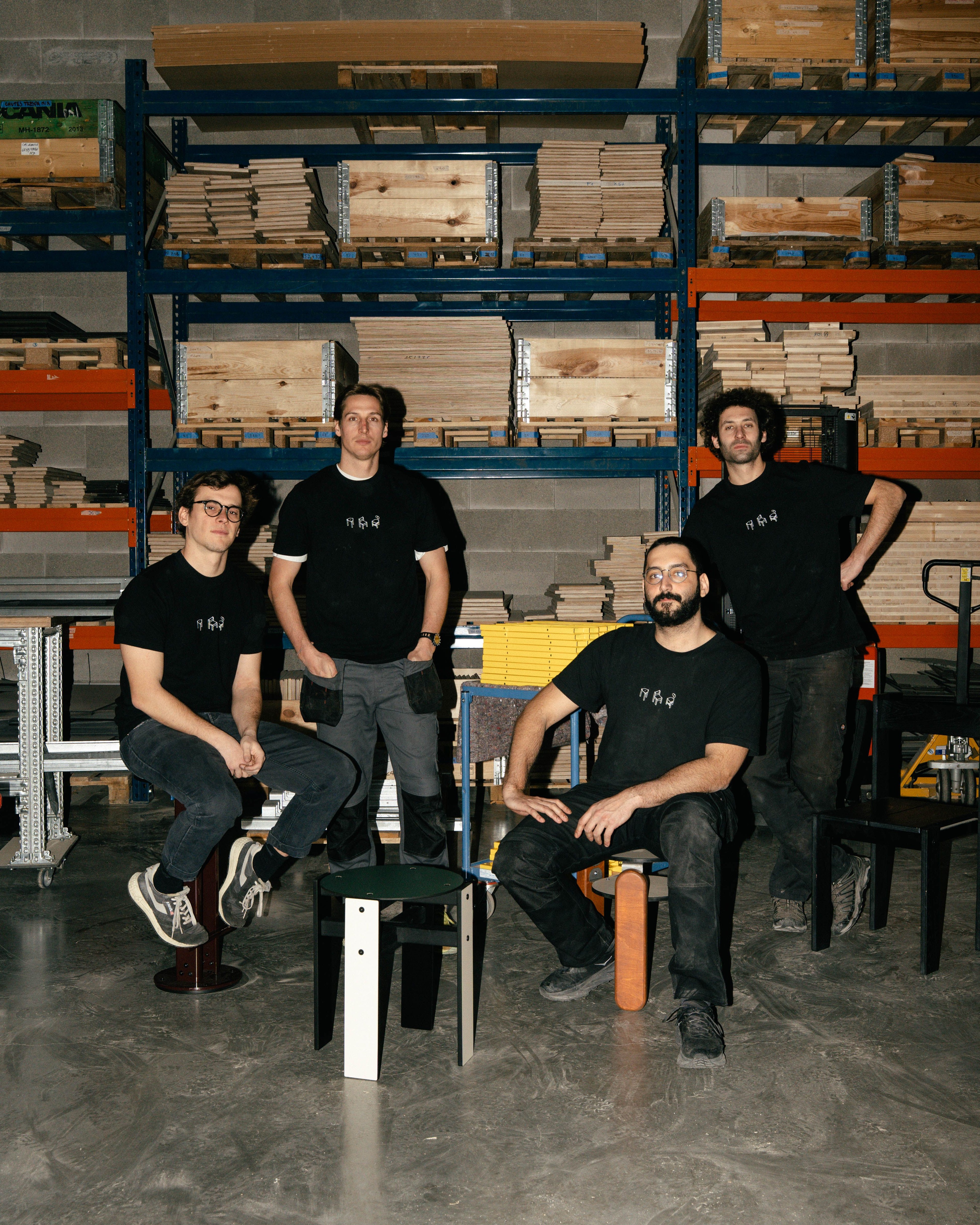
Created by designers for brands and spaces that refuse the ordinary, Duplex is a Belgian furniture brand working with unused industrial materials to create responsible, singular pieces.
If you’ve been following contemporary interiors in Belgium and beyond, you may have already encountered a Duplex piece. Tables, benches, seating, or custom elements made from industrial materials you were never meant to notice, now transformed into furniture with character, intention, and a clear point of view.
Founded by four partners driven by a shared vision, Duplex operates at the crossroads of design, industry, and circular thinking. More than a furniture brand, it’s a brand questioning how things are made, why they are made, and what already exists around us.
We discussed with the Duplex team to learn about their story, their material-first approach, and what it really means to design responsibly without compromising on aesthetics.
Can you introduce yourselves and tell us how the brand came to life?
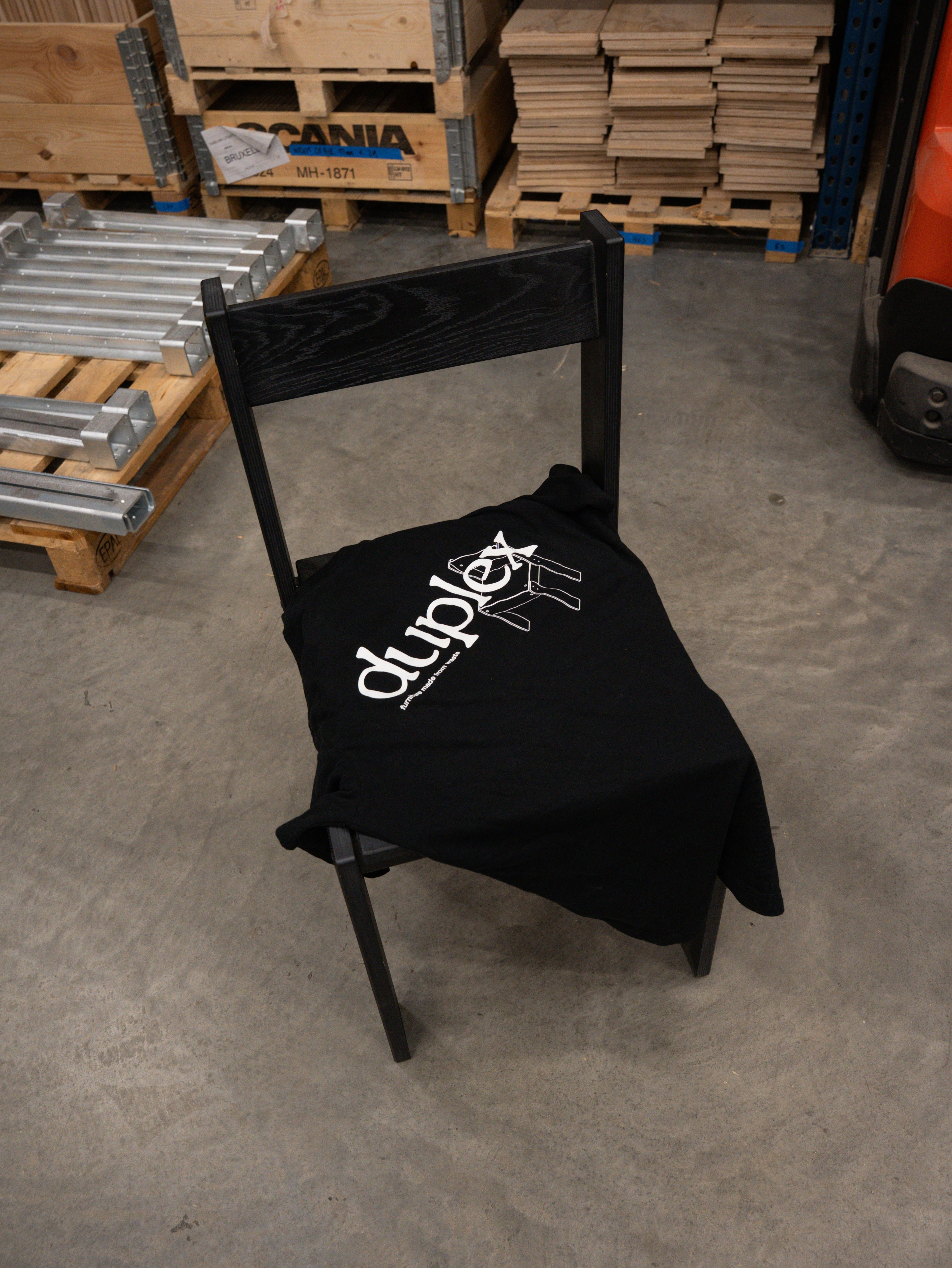
“We’re Duplex, a Belgian furniture brand focused on creating singular and responsible furniture from upcycled industrial materials. The brand was founded by four partners: Arnaud De La Haye and Aldo Dalla Palma, who take care of sales, brand, and marketing, and Gaston Golstein and Hippolyte Reverchon, who lead operations, design, and production.
From the start, Duplex was about bringing together design sensibility and industrial reality. We wanted to create furniture that makes sense today, both visually and environmentally.”
What brought you to design, and more specifically to this project?
“Design has always been a way for us to question existing systems and propose alternatives. Very early on, we felt uncomfortable with the way products and materials are overproduced and overconsumed.
Duplex emerged from a desire to reverse that logic. Instead of creating new materials, we chose to start from what already exists and transform them into furniture. By transforming unused industrial resources into one-of-a-kind pieces, we give overlooked materials a second life and allow our clients to tell a story through their spaces, one that reflects their values and identity.
For us, this project goes beyond objects. It’s about enabling more conscious choices without compromising on aesthetics or performance.”
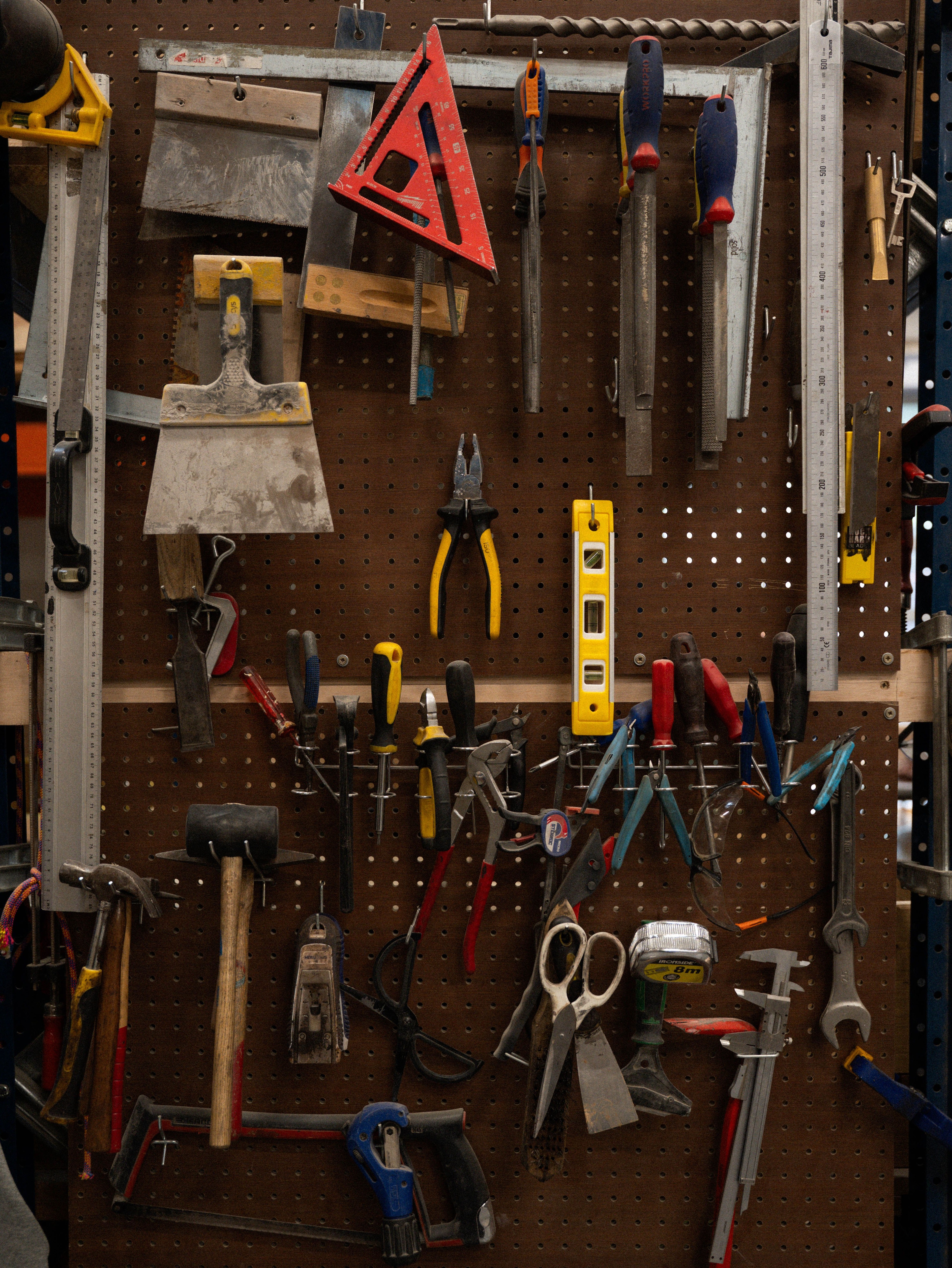
Who’s behind Duplex today?
“Duplex is built around a multidisciplinary team of nine people, combining design, material research and sourcing, branding, and production expertise. Collaboration is key for us, every decision is collective and aligned with our values.
Alongside the four co-founders, Iris Janin supports and manages the design department, while Clément Guirao leads production. We also work closely with alternants and woodworking specialists — Clément, Gaston, and David — whose craftsmanship is essential to our process.”
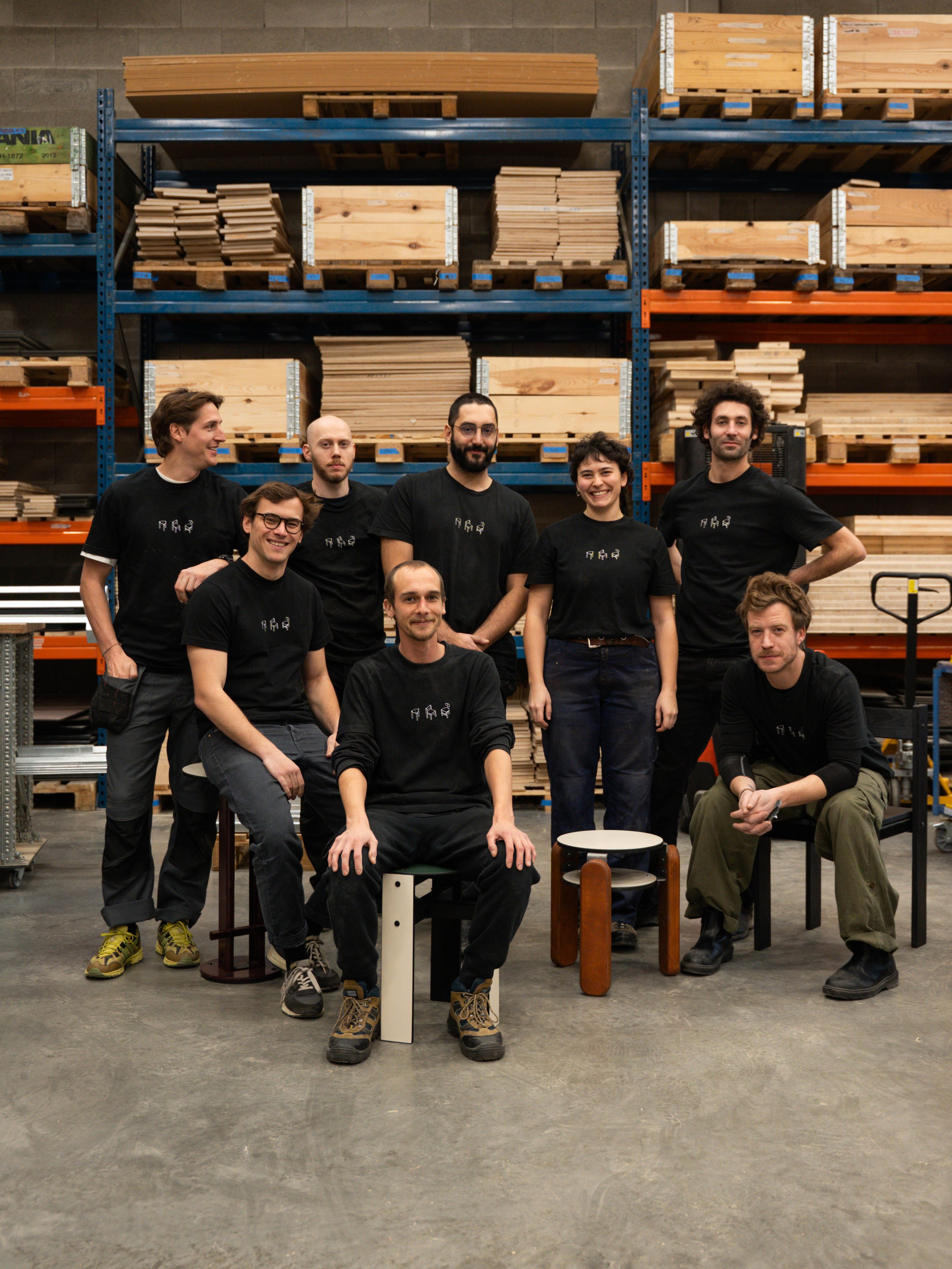
Why did you choose to work with unused industrial materials?
“Unused industrial materials are a hidden resource. They already exist, they already carry an environmental footprint, and yet they’re often overlooked because of habits or logistical constraints.
We see them as a starting point rather than a limitation. Each material lot comes with its own story, constraints, and potential, and that’s what makes every piece unique.”
How do you actually source these materials?
“We work through direct relationships with manufacturers, industrial partners, and local networks. We identify dormant stocks, production offcuts, surplus materials, or discontinued components.
Each batch is carefully documented and becomes the base of a design. That naturally creates singular pieces not because we force uniqueness, but because the material already dictates it.”
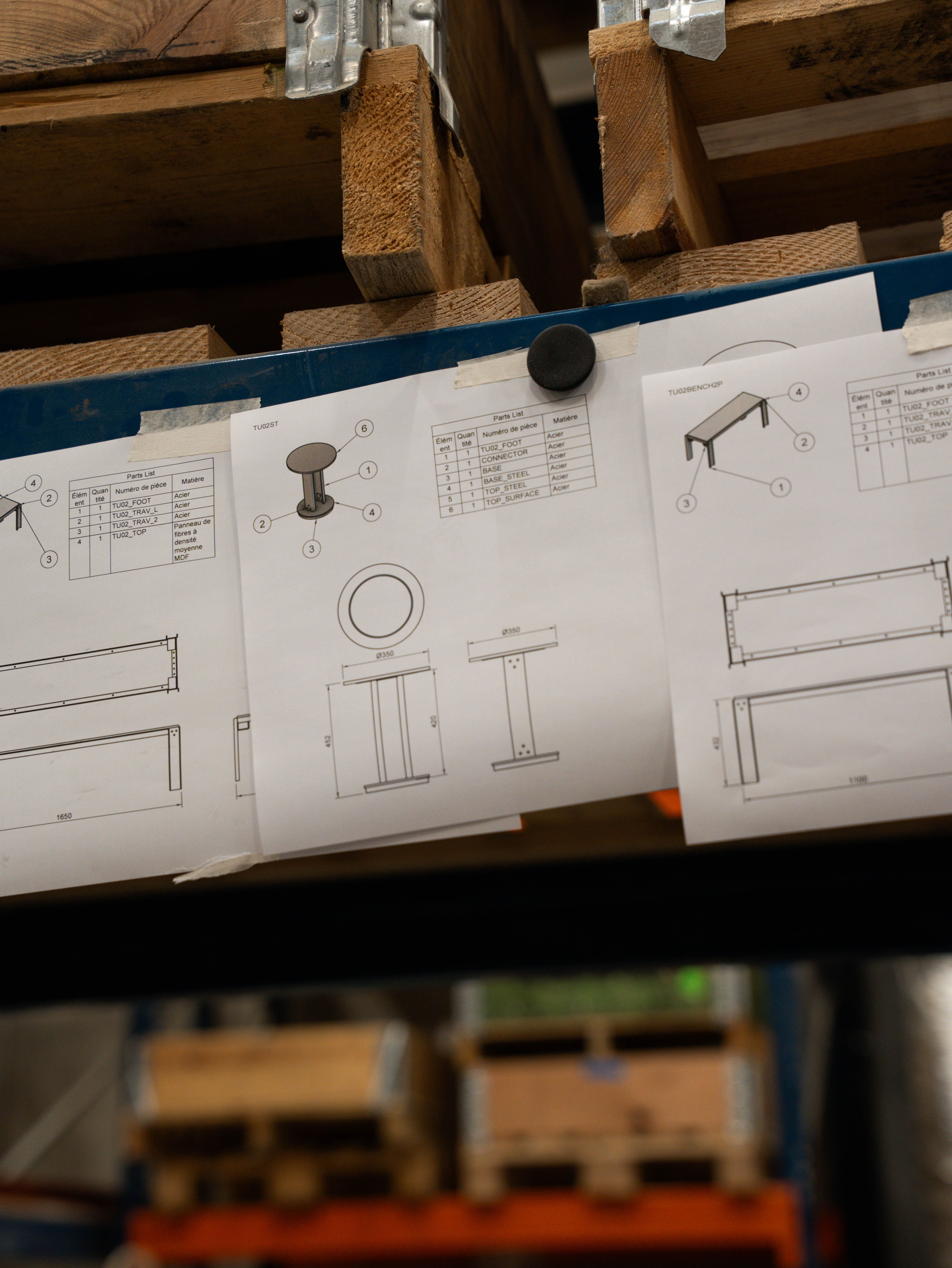
What does the design process look like, from material to final object?
“Obviously, our process always starts with the material, never with a predefined design. We analyze its quantity, resistance, dimensions, constraints, and aesthetic potential.
From there, we eco-design furniture systems that are robust, repairable, and adaptable. Each piece goes through prototyping, testing, and close collaboration with production partners before reaching its final form and entering production.”
Duplex mainly designs for hospitality, office, and commercial spaces. How does that influence your work?
“Professional spaces today revolve around three essential needs: singularity, to express identity; sustainability, which is becoming increasingly natural; and robustness, to ensure long-term use.
That’s why we develop our furniture with in-house professional industrial designers. Our goal is to create a positive impact through our process while delivering pieces that are unique, sincere, and built to last.”
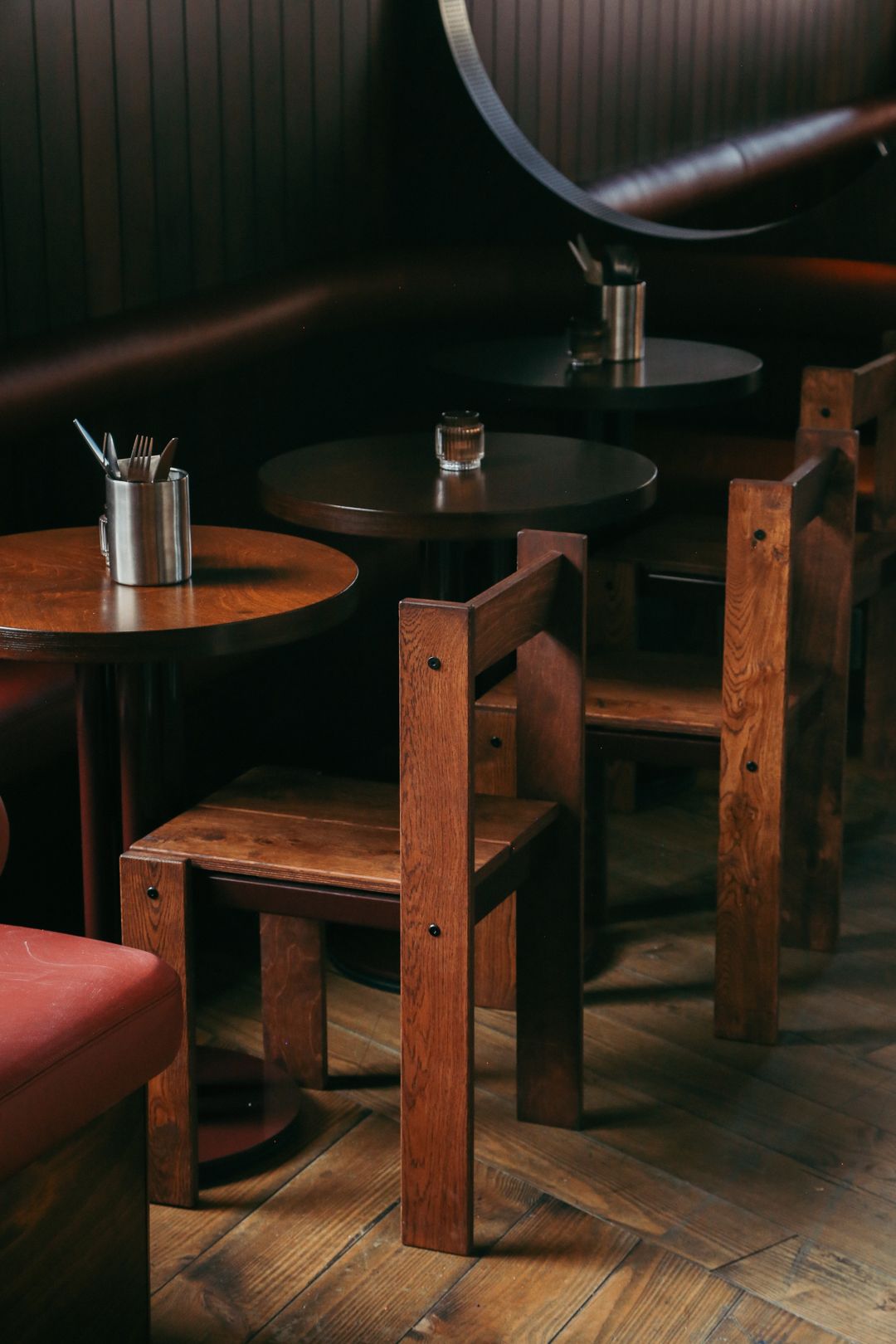
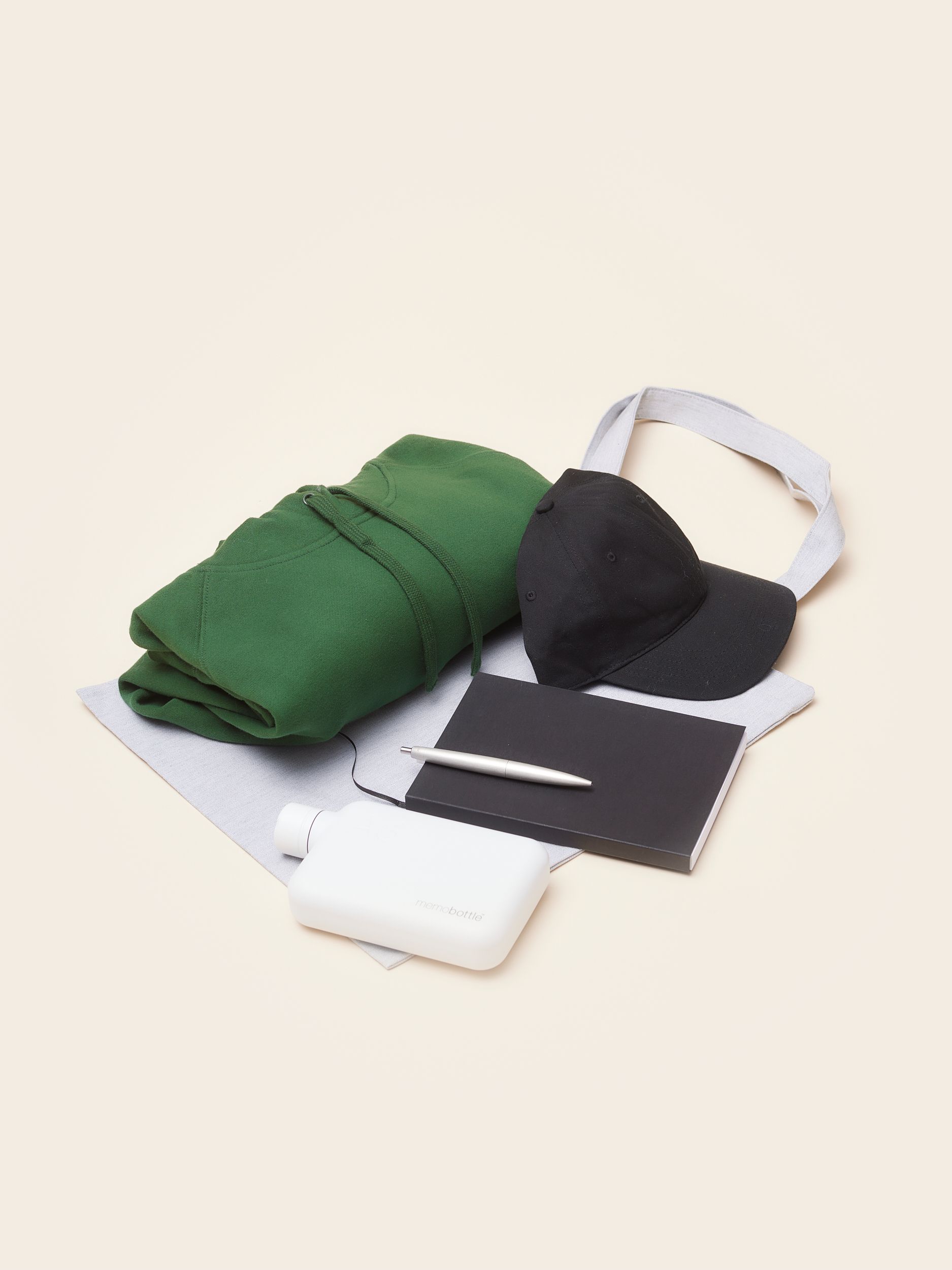
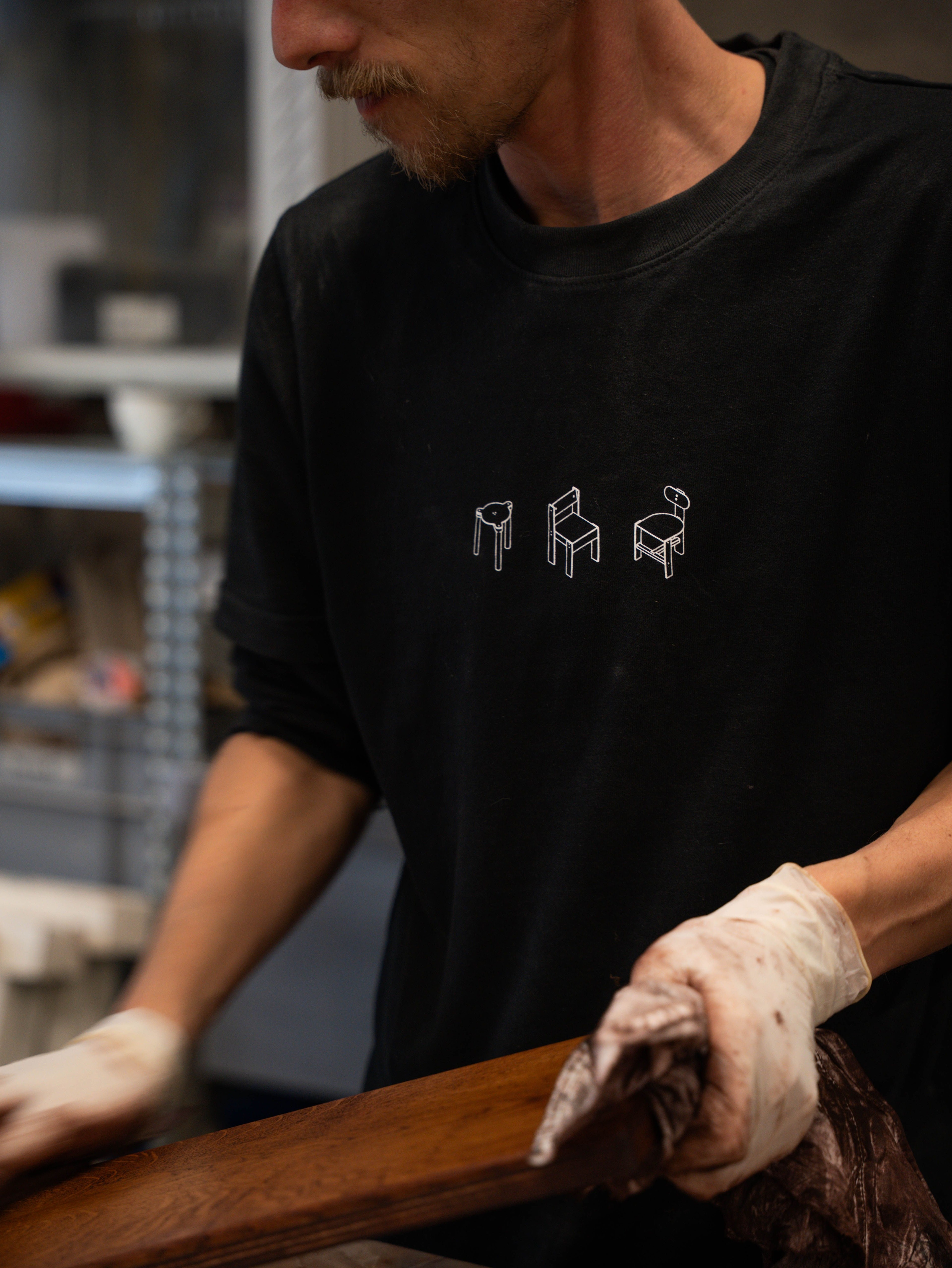
You recently developed merch for the team. How did that idea come about?
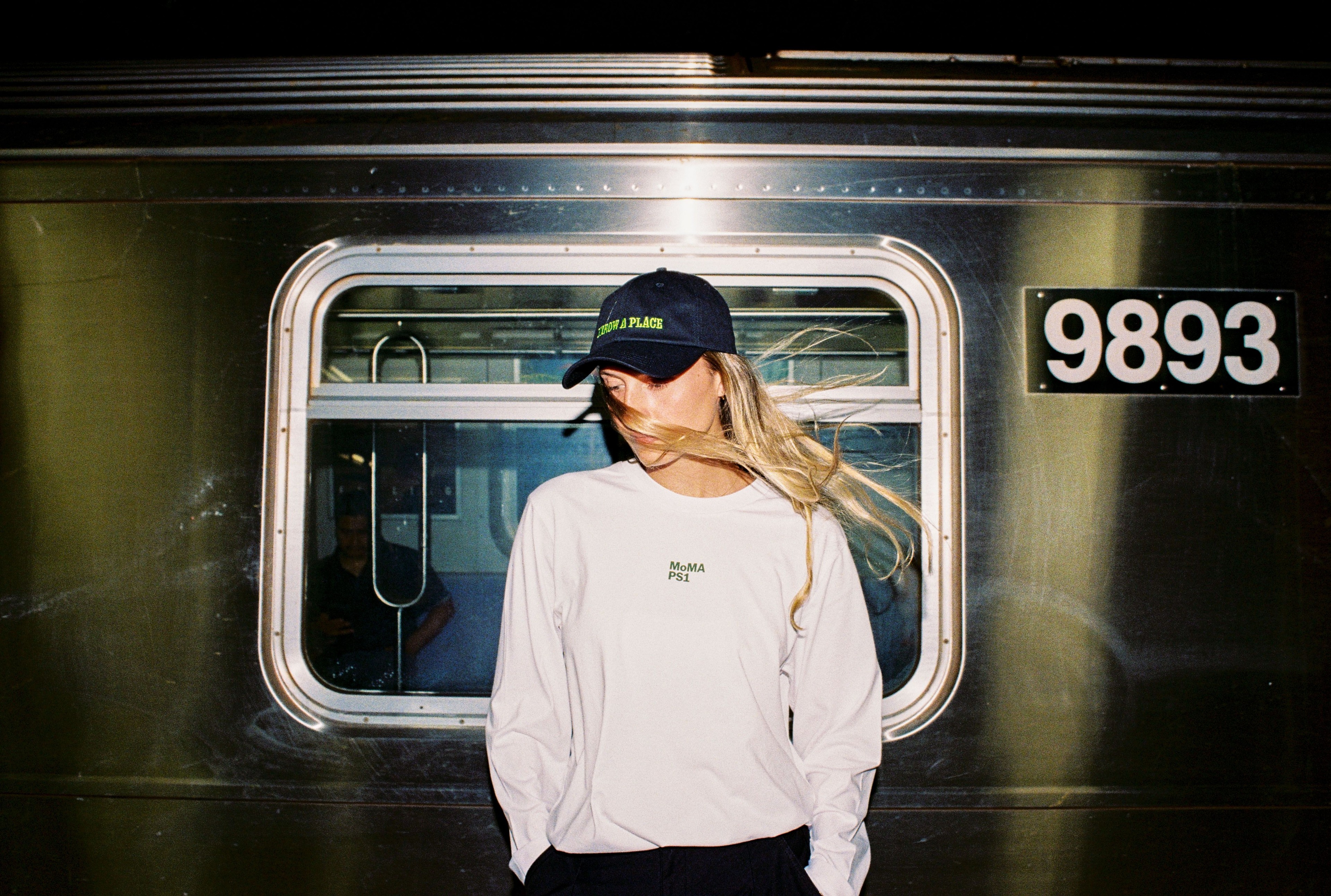
“In sports, a team wears the same outfit to move forward together with a shared vision and mission. That idea really resonated with us. Keeping that in mind, we wanted to strengthen our team spirit and naturally make it branded to ensure visibility.
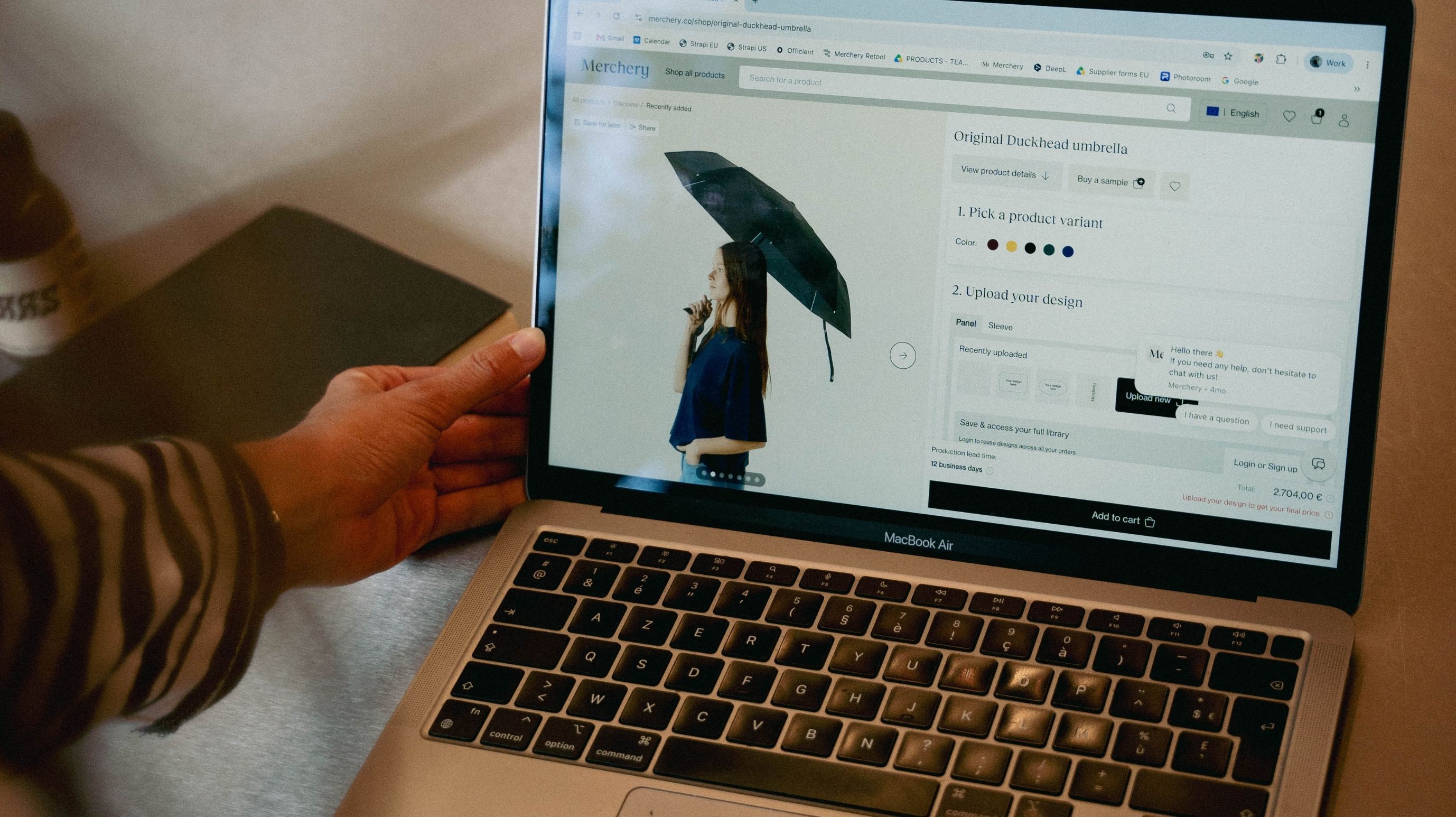
Working with Merchery was a natural choice. Your approach to design, quality, and responsibility aligns closely with ours. The merch is not promotional by nature; it’s designed to be worn, used, and kept, just like our furniture.”
How does the merch connect to the Duplex identity?
“It follows the same principles as Duplex: responsible, sincere, performant, and singular. It’s another expression of our belief that design should be meaningful. It reflects our identity without excess.”
What challenges have shaped Duplex so far?
“Working with non-standard materials means embracing uncertainty. Availability, volumes, and variability constantly challenge traditional production models.
Another key challenge has been education — helping clients understand the value of circular design beyond conventional benchmarks. That ongoing dialogue has strengthened our credibility and built strong relationships with partners who share our vision.”
What’s next for Duplex?
“Our next step is to structure growth while preserving our singularity. We’re currently developing clear long-term models for the years to come.
Our ambition remains the same: helping brands and spaces stand out with intention, make responsible choices, and create environments that truly reflect who they are.”