Blog—21 AOÛT 2025
How to choose the right customisation technique for your merch?
The way you customise your merch is just as important as the product itself. That’s why the choice of customisation technique is crucial.
Each method has its own strengths in terms of durability, colour accuracy, level of detail, and overall finish. Depending on the product you’ll choose, there are different types of customisation to choose from.
To help you have a clearer view on each method, here’s a guide to the most popular techniques for apparel and objects, and how to choose the one that best fits your needs. Let's break it down!
Textiles: t-shirts, hoodies & more
Screen Printing
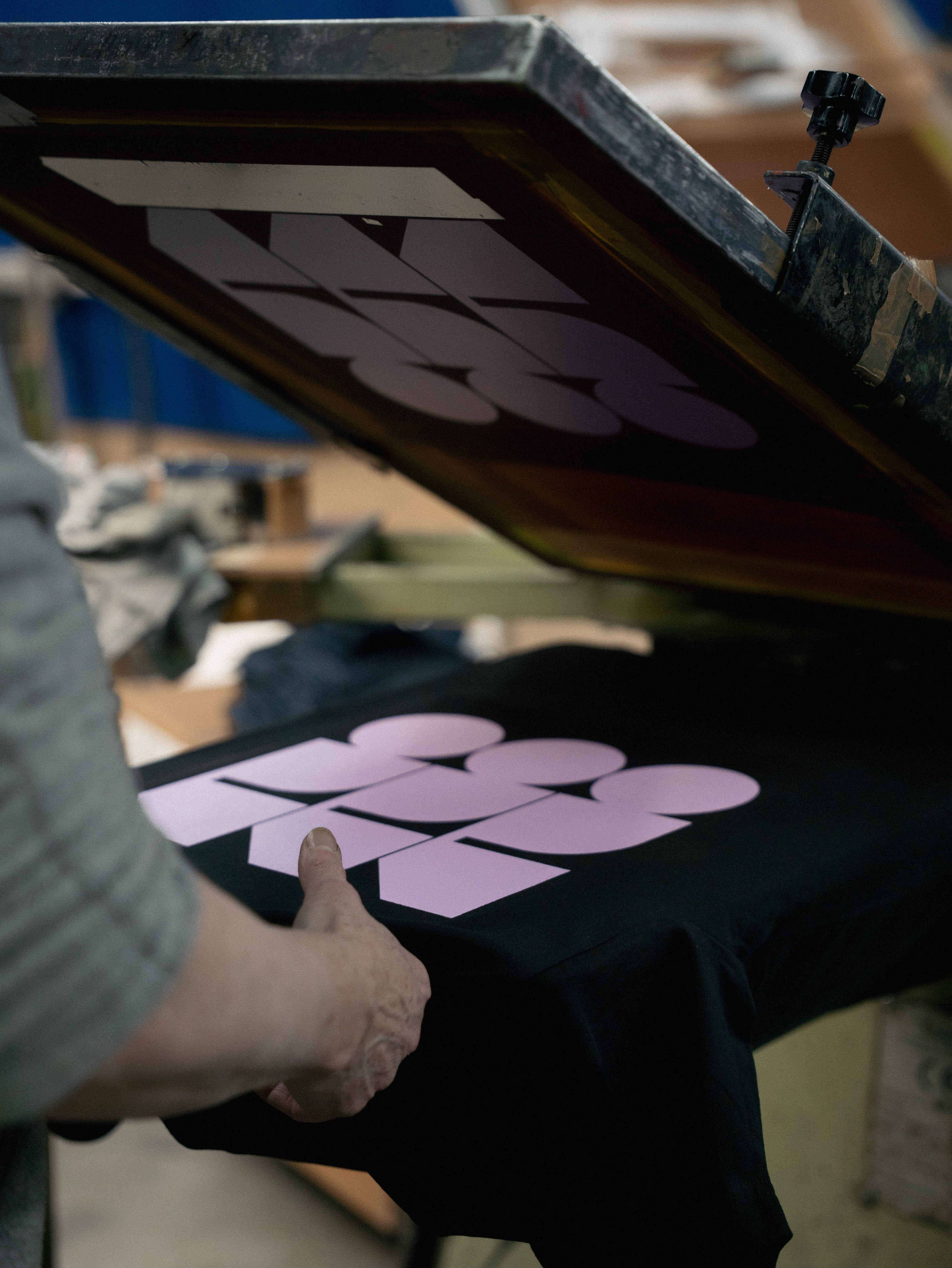
Think bold, solid colours that really pop. Screen printing is the classic. It looks clean, lasts long, and works best if your design isn’t crazy detailed. Perfect if you’ve got a logo or design in a few colours. Pantone color match? Totally doable. Perfect for event tees, uniform, or merch with bright, flat design.
How it’s made: A stencil (“screen”) is used to transfer ink onto a surface. Ink is forced through the fine openings in the screen onto the material beneath, creating a design with precise details and vibrant colors. If you have different colors, your design is separated by colours, and each one gets its own stencil. The print is also heat-cured to assure longevity.
Embroidery
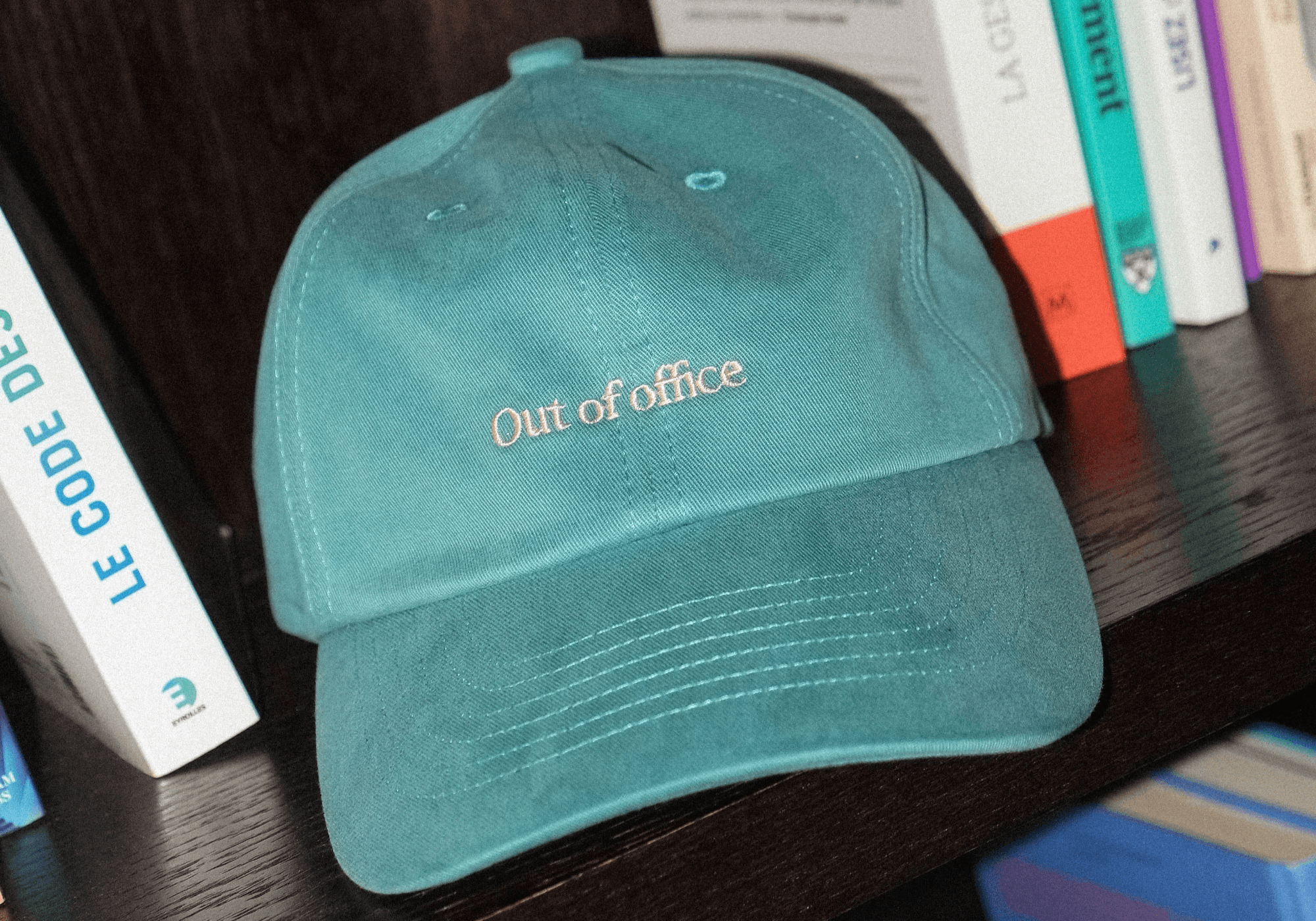
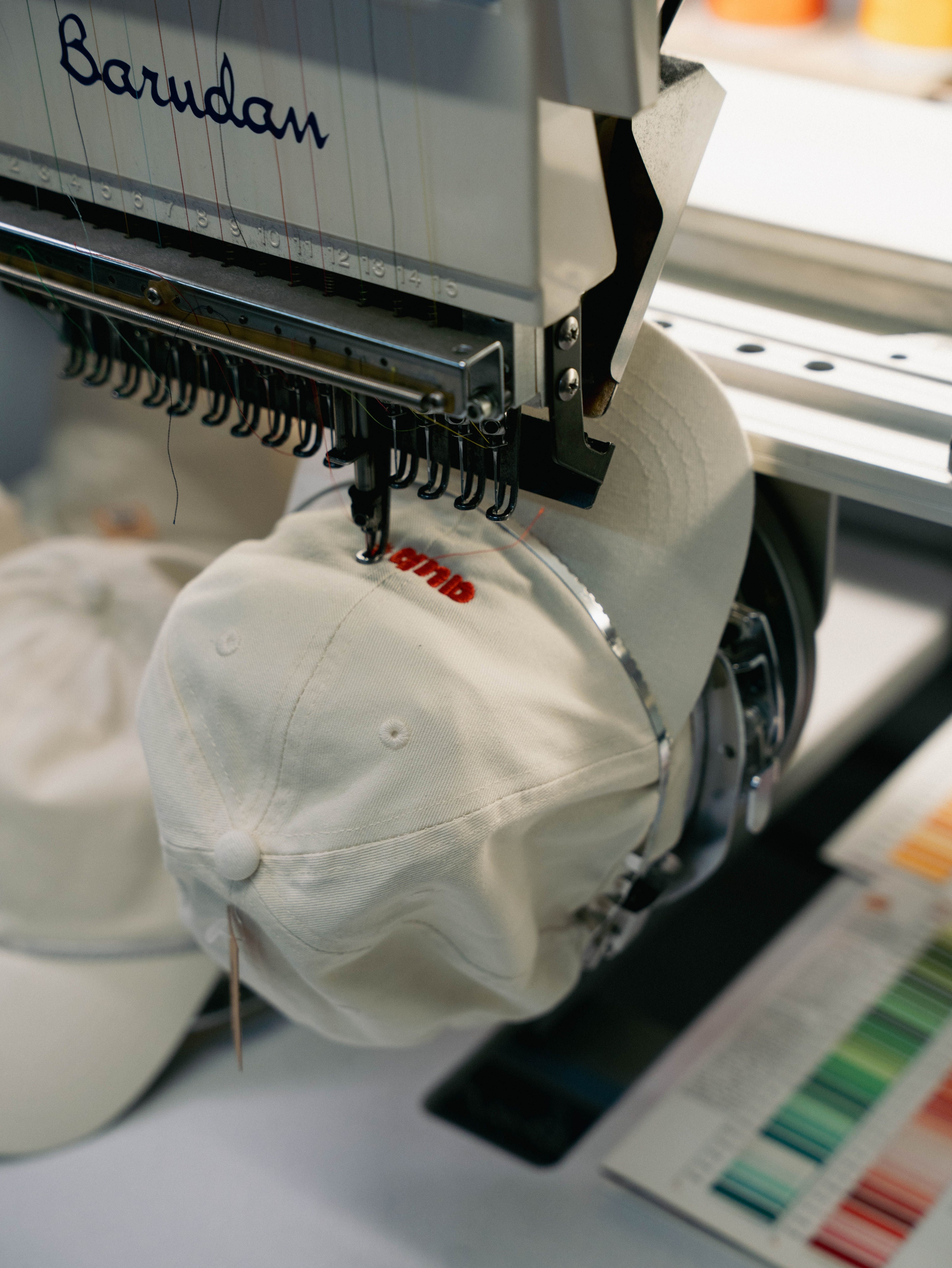
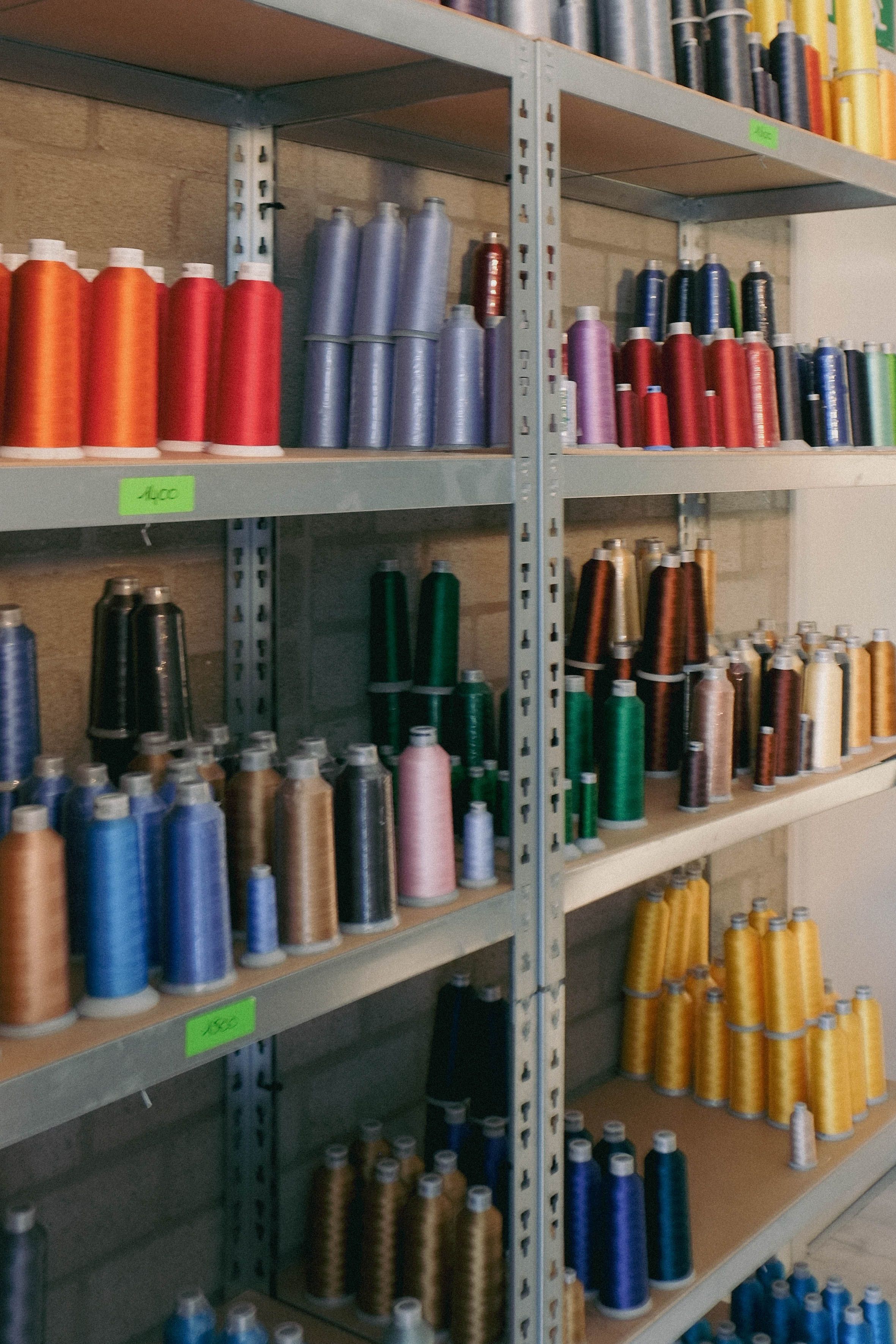
Want your logo to look premium? Embroidery is the way to go. It adds texture, depth, and that instantly high-end look. Perfect on polos, caps, and jackets. Going for an embroidered logo will pretty much stay forever. The only limitation? Super small details or tiny text can get lost in the stitches, and thread colours are matched as closely as possible rather than exact Pantone. Also note that the lead times for embroidery can be longer.
How it’s made: Your logo is converted into a digital stitch file (basically a map of how the machine should sew it). Then, industrial embroidery machines use coloured threads to sew the design directly into the fabric.
Transfers (Heat Transfer / DTF / Flex)
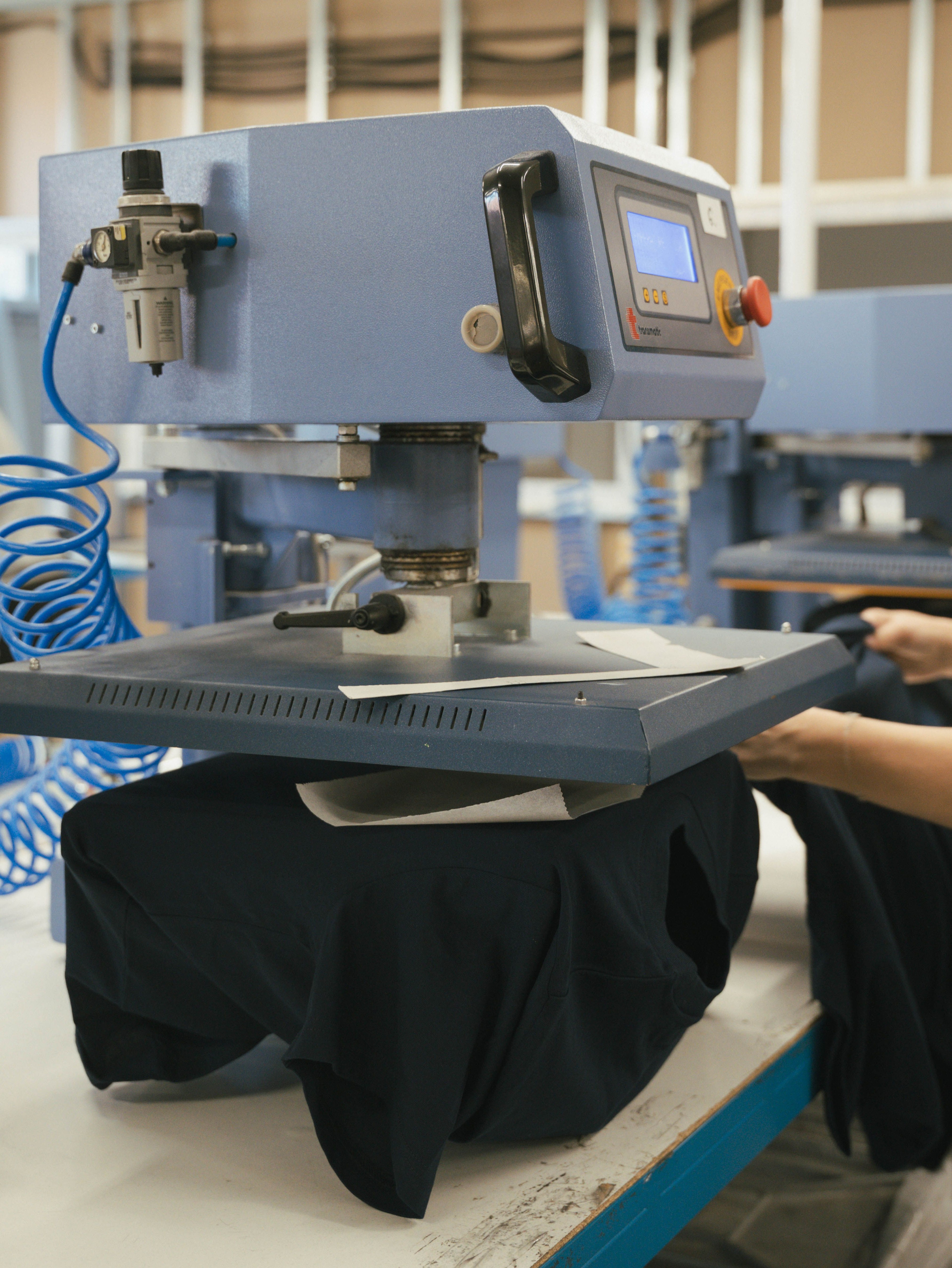
This method involves transferring a design from one surface to another using heat and pressure. It's often used on textiles or ceramics. Transfers are perfect when you want detail. We’re talking gradients, photographic designs, or colourful artwork that screen printing can’t capture. The finish is smooth, almost like part of the fabric. It’s great for smaller runs or when you want lots of colour variation. Downside? Not quite as tough as embroidery if you’re planning to wear it non-stop, but for full-colour designs, it’s unbeatable.
How it’s made: Your design is first printed onto a special transfer sheet. Then, using heat and pressure, it’s bonded onto the garment. Depending on the method (DTF, vinyl flex, sublimation), the process varies a bit, but the idea is the same: artwork + heat = a crisp design stuck to the fabric.
Objects: mugs, pens, bottles & more
Screen Printing (on objects)
Same idea as on textiles : strong, flat colours, best if your item has a nice even surface. Tote bags, notebooks, mugs… all love a bit of screen print action.
How it’s made: Similar to textile screen printing, ink is pushed through a stencil onto the surface. Special inks are used depending on the material (plastic, ceramic, paper), and the object might be baked or cured to lock it in.
Pad Printing
Got something small and curvy, like a pen or a keyring? Pad printing is the flexible option. It wraps your design onto awkward shapes without losing legibility. Colour matching works, but it’s better to keep designs simple.
How it’s made: Your design is transferred onto a soft silicone pad, which “stamps” the ink onto the object. It's commonly used for applying logos and designs to irregularly shaped objects with precision and clarity.
Laser Engraving
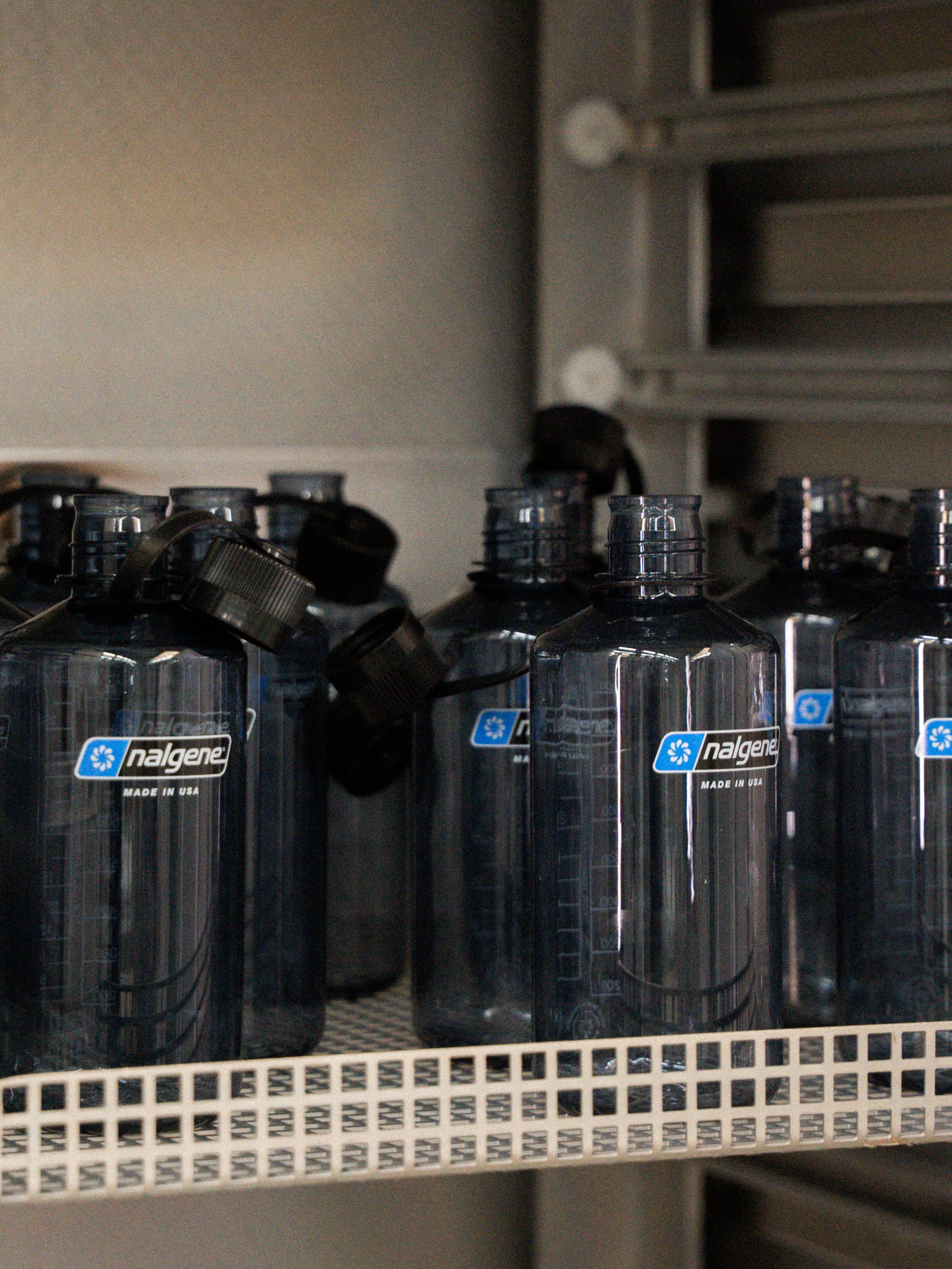
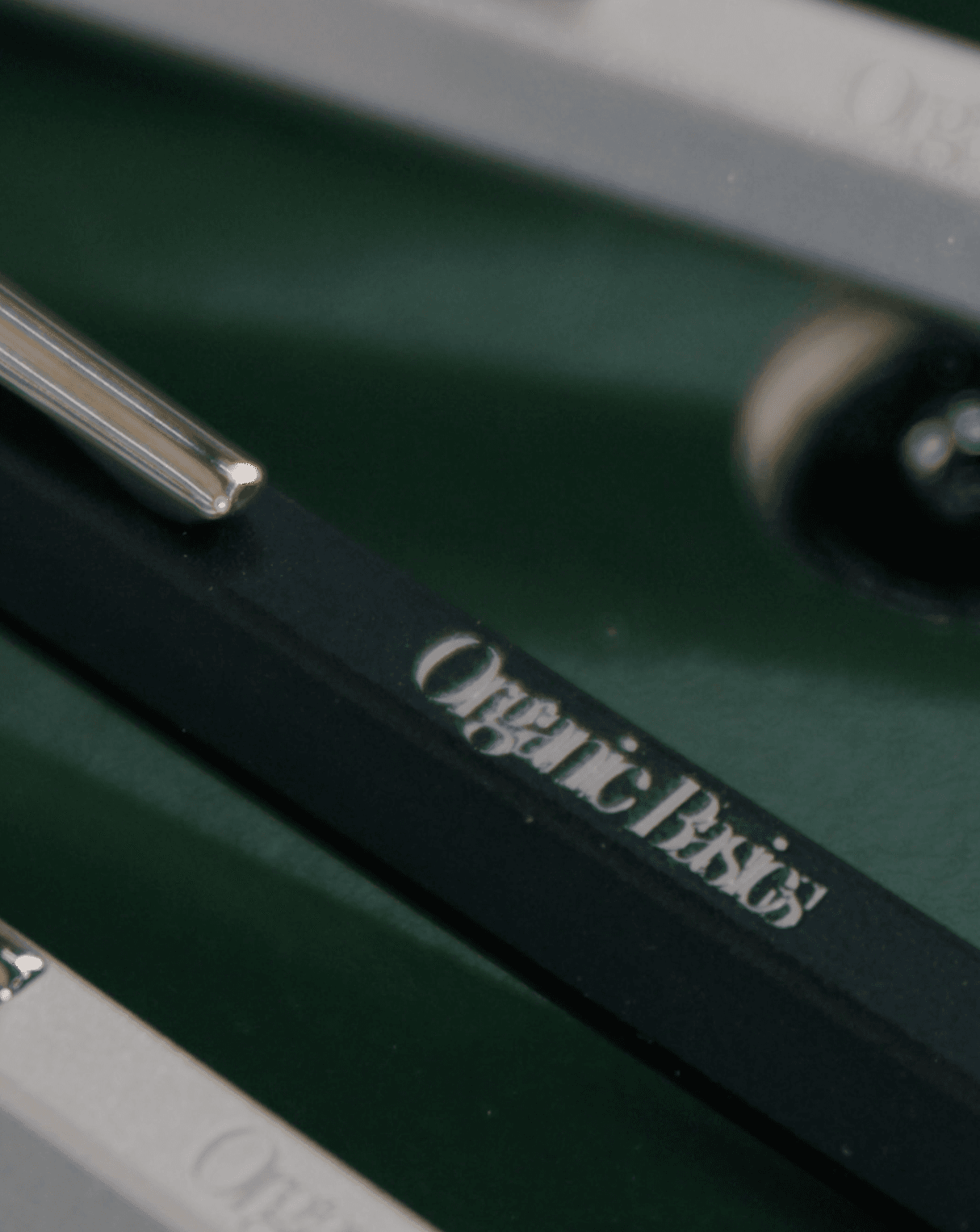
This one’s all about subtle, sleek branding. It doesn’t add colour, it etches your logo straight into the material (metal, glass, wood, or leather). The result is subtle and seriously durable, creating a gentle tone-on-tone mark. Perfect for premium gifts like metal bottles, pens, and more.
How it’s made: A laser beam literally burns or engraves the design onto the surface. It removes the top layer to reveal a contrasting tone underneath. No ink, no fading. Just a clean, permanent mark.
UV Printing (UV-DTF / Digital Printing)
This is the high-tech option: it prints in full colour, high definition, and can even handle gradients. It works especially well on flat surfaces and gives a sharp, modern look. Colour-wise, it’s CMYK-based, so your artwork comes through vibrant and true-to-file.
How it works: A digital printer applies CMYK ink directly onto the product, then cures it instantly with UV light.
Quick & easy reminder:
- Want bold and timeless? Go screen print.
- Want it to feel premium? Embroidery all day.
- Got a colourful, detailed design? Transfers or UV printing.
- Working with small merch like pens or keychains? Pad printing’s your friend.
- Want a classy, tone-on-tone subtle finish? Laser engraving can’t go wrong.
Things to keep in mind: limitations & exceptions
Every customisation method has its strengths but also its limits. The final choice depends not just on the product, but also on the design itself. Here are a few things to consider:
- Level of detail: Tiny text or intricate shapes might not work well with embroidery, while gradients won’t translate in screen printing.
- Colour accuracy: Threads can’t match Pantones exactly, and some printing methods are CMYK-based (slight variations may occur).
- Durability vs. look: Embroidery is nearly indestructible, while transfers and screen-printing are better for colourful artwork but may not last as long.
- Surface constraints: Curved or textured objects might limit certain techniques.
- Budget & quantity: Some methods (like screen printing) are more cost-effective at higher volumes, while others (like transfers) are better for smaller runs.
At Merchery, we’ll always recommend the option that comes closest to your vision. Just keep in mind: not everything is technically possible but we’ll do our best to get as close as it can be.
Choosing the right technique can feel overwhelming. The good news? You don’t have to face it all alone. We take the time to understand your project, your brand, and your goals and we’ll guide you through the options, explain the trade-offs, and help you land on the finish that makes your merch look its best.