Blog—FEB 24, 2025
Inside Mori, a hub for analog photography rebels
In a time when cameras are always at our fingertips, there’s something almost rebellious about choosing film photography. The slow process, the uncertainty, the patience it demands. Like each shot being a small act of faith.
In the heart of Brussels, nestled in the Forest district, Mori Film Lab has spent the past four years nurturing this quiet rebellion. More than just a lab, it has become a gathering place, a home for those who find beauty in imperfection, who love the smell of developer on their hands and the thrill of waiting for a roll to reveal its secrets. It’s also a treasure trove for vintage camera enthusiasts, where each piece holds a story, waiting to be picked up and given new life.
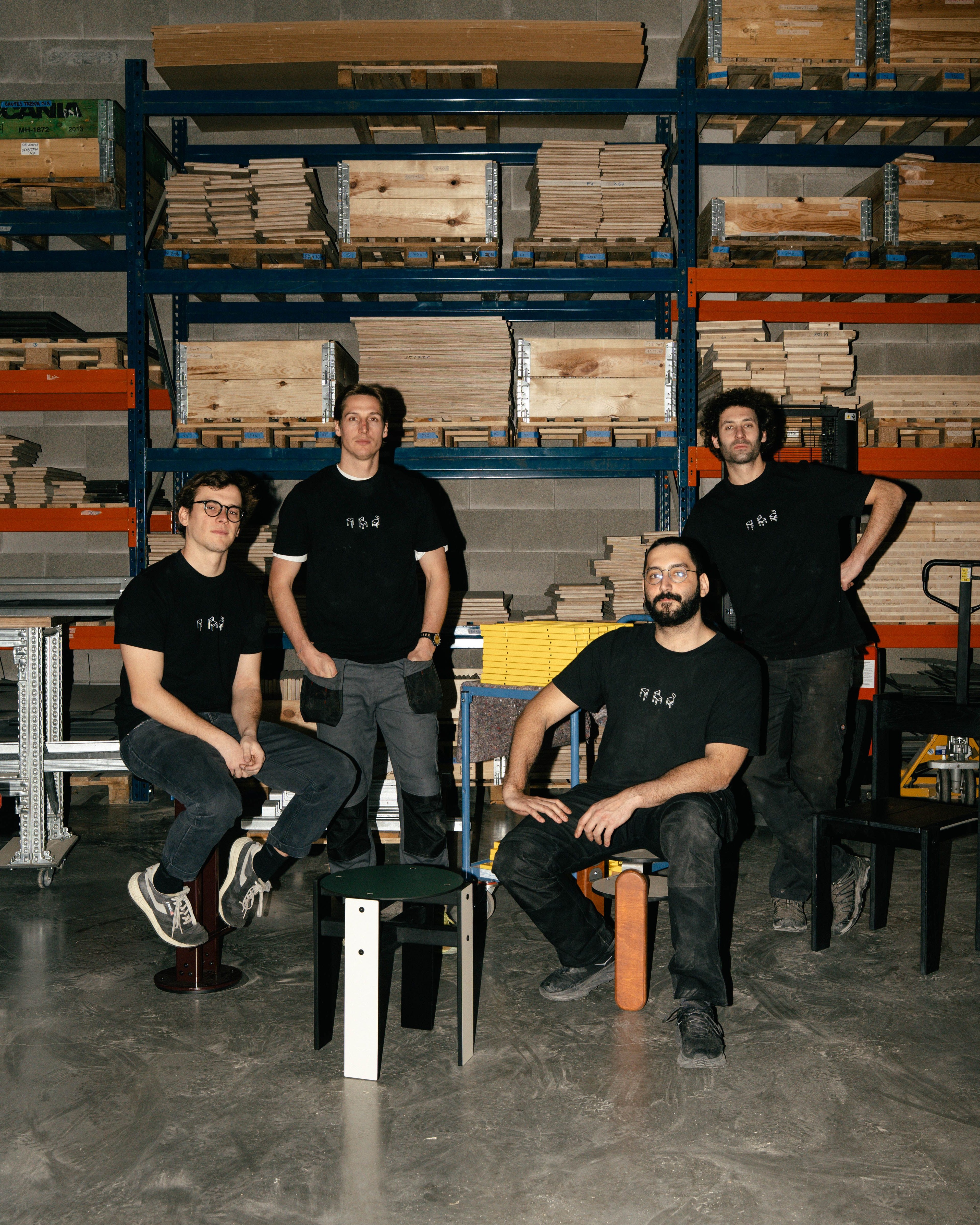
At the initiative of Mori is Raphaël, Cole & François, whose passion for analog photography sparked something much bigger than just a shop. We let Raphaël take us through the origins of Mori, the magic of analog photography, and the vibrant community that has grown around it. Read on and discover how Mori Film Lab became a haven for film lovers.
Could you introduce yourself and your project Mori Film Lab?
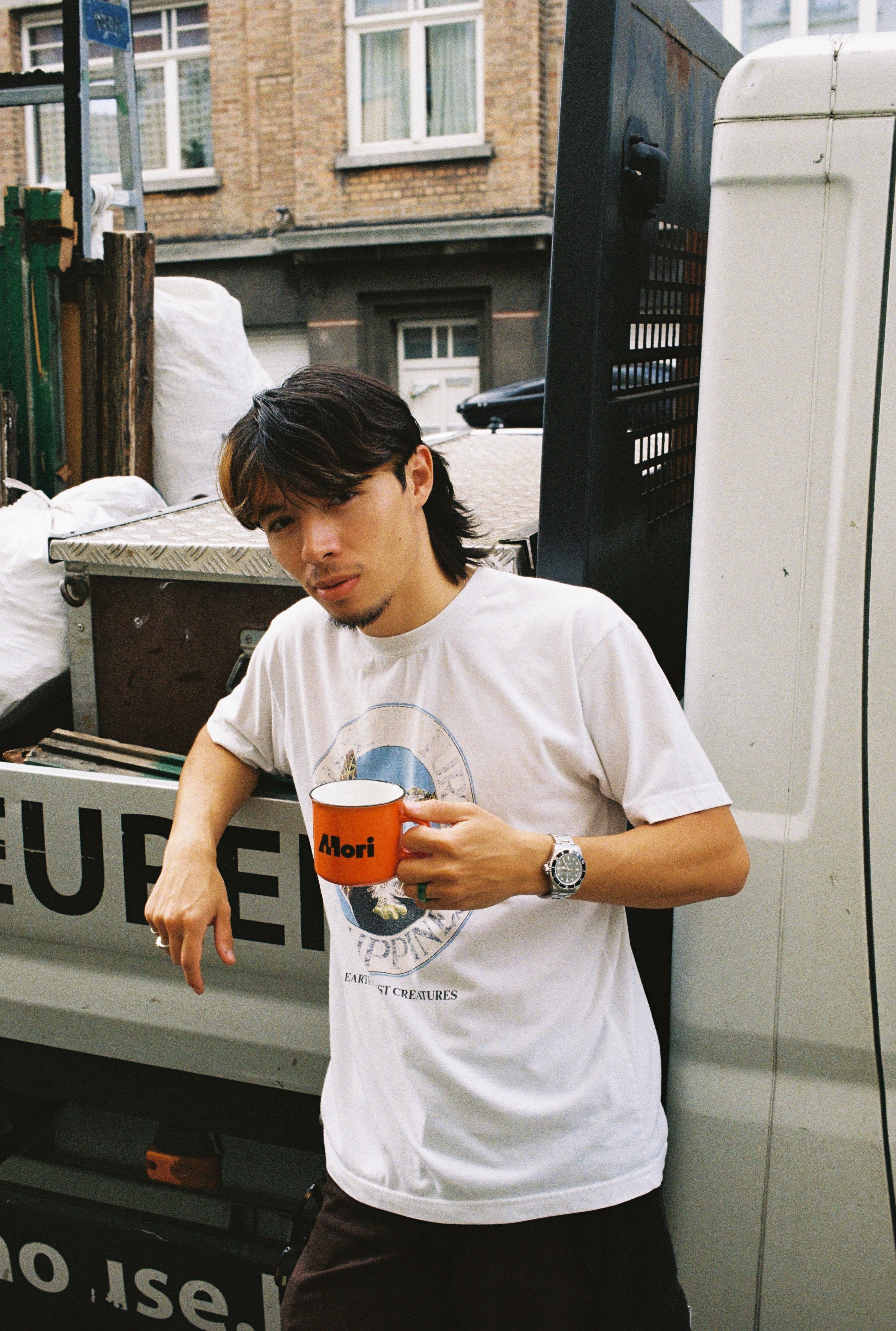
"Hi, I’m Raph. I’m the co-founder and co-owner of Mori, which we launched in 2020 with my childhood friend, Cole. We were later joined by François, who’s also a co-owner now.
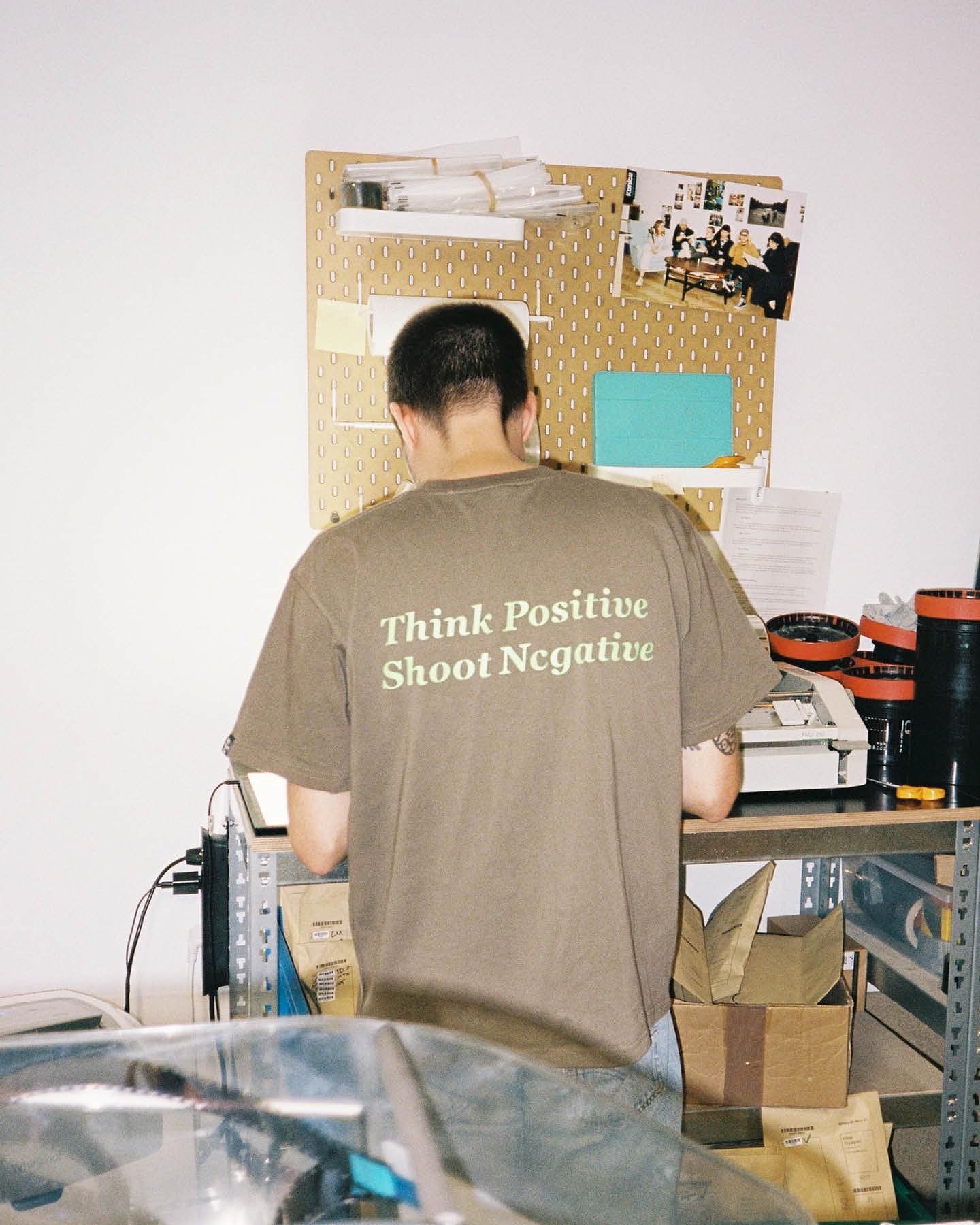
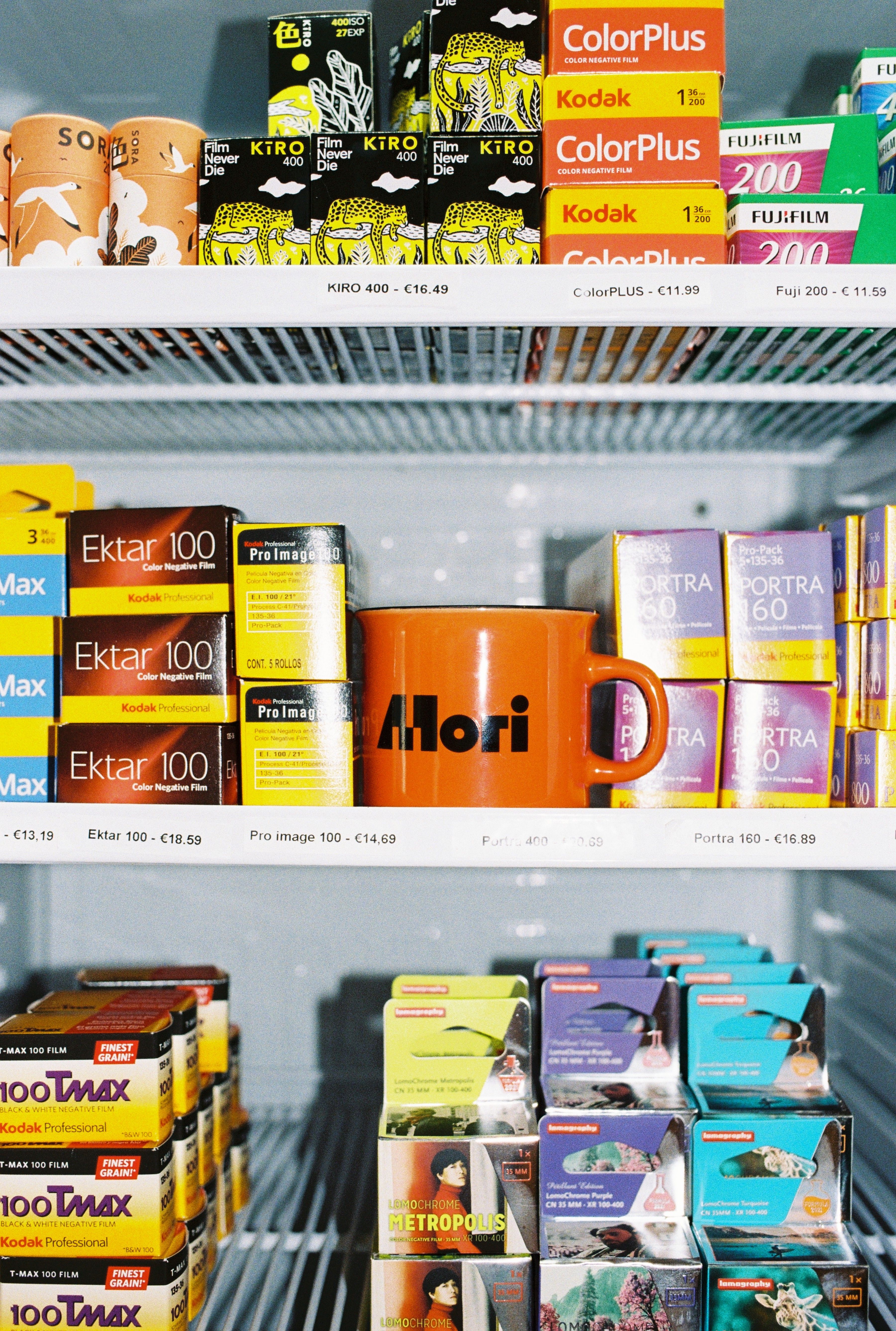
Mori is a film lab and community for film photographers. So we develop film, scan images, sell film, and refurbish cameras, but we also do everything we can to allow people to connect through their passion for film photography. We’ve got a darkroom that’s open to the public for anyone interested in printing their own images the OG way. We also organise workshops, events, and exhibitions.
We like to see it like a hub for film photography enthusiasts here in Belgium. We aim to create a space that is super welcoming for beginners and deliveries the amazing quality and reliability needed for professionals. This is why since the beginning we’ve always focussed on the quality of our service and how much we can contribute to the community."
What inspired you to start Mori Film Lab? How did your journey into analog photography and film development begin?
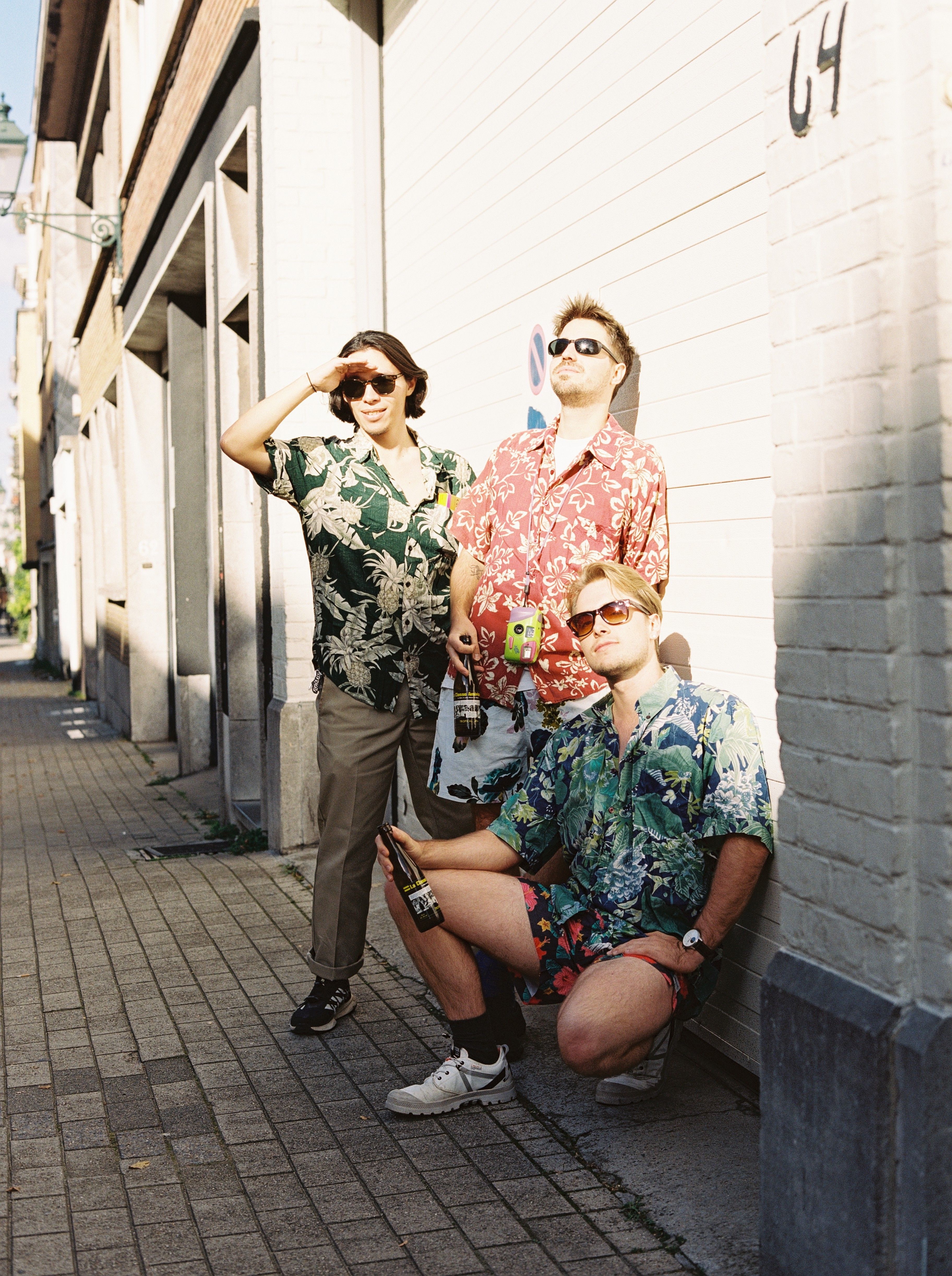
"Cole and I have been shooting on film since our early teenage years. It’s a passion we shared, but that was kind of a lonely one. There was not a lot of people our age in Belgium shooting with film cameras. Then we traveled to Australia, where we worked at FilmneverDie, a very modern film lab in Melbourne. This place was full of people our age and organised many events that brought people together. Seeing how fun a film lab could be and given we couldn’t get a visa to stay in Australia, we thought, why not bring something like this back to Europe?
With encouragement and support from our boss at FilmneverDie, we decided to start Mori Film Lab. We took everything we learned from our experiences in Belgium and Australia, tweaked it, and enhanced it to fit here in Belgium. We went for it, and honestly, it turned out much better than we had ever anticipated!"
What’s the story behind the name “Mori”? Does it hold a personal or creative significance?
"So, when Cole and I decided to start our lab, we knew all the practical stuff we needed to do. I took care of the paperwork, the planning, ordering machines, sourcing film, sourcing cameras and Cole took care of getting the machines ready and building the entire lab process. But we just couldn’t decide on a name. We had very different ideas, and we were under pressure because Gary, our previous boss at FilmNeverDie said that if we didn’t come up with a name, we’d have to be called FilmNeverDie Belgium. Which we really wanted to avoid!
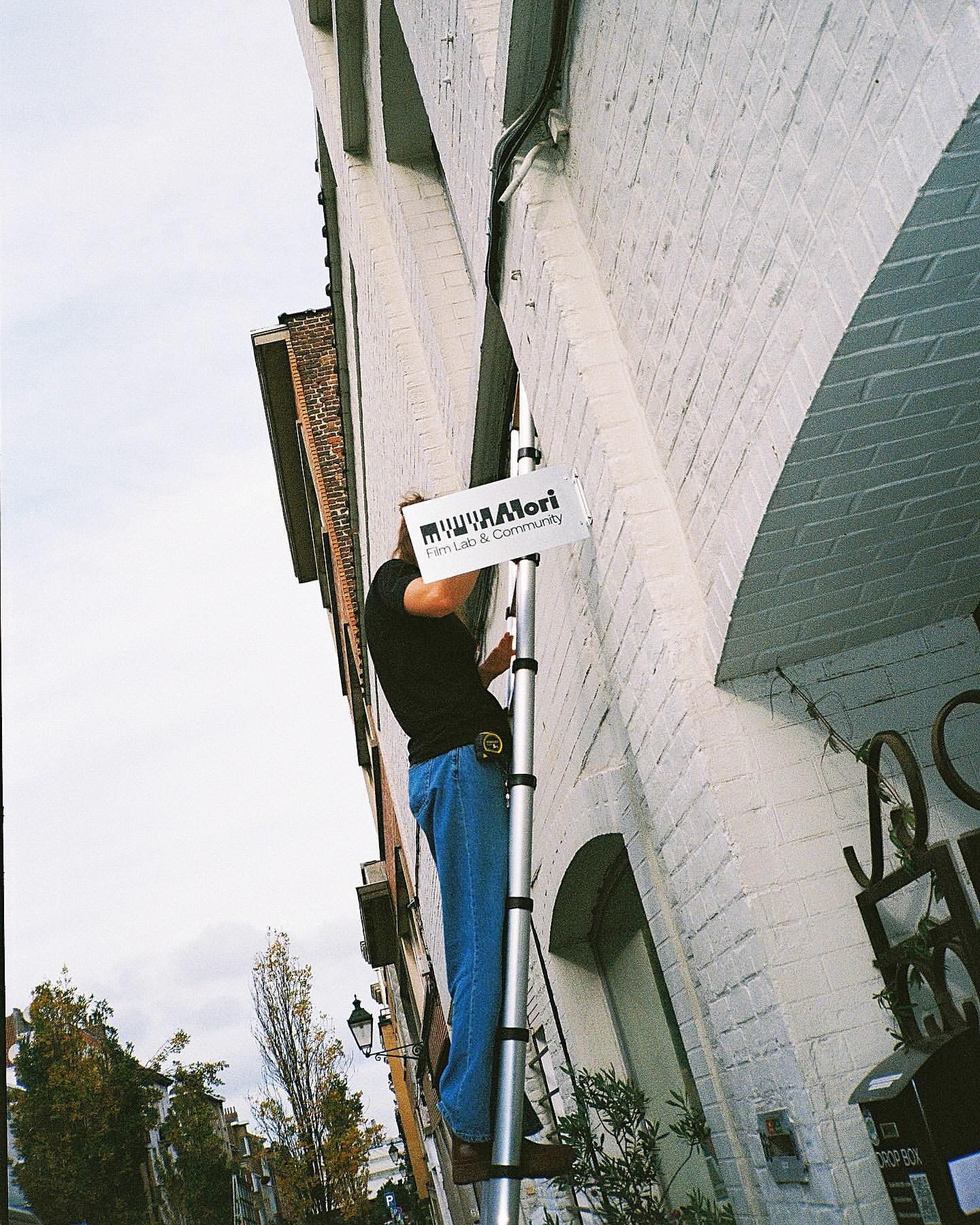
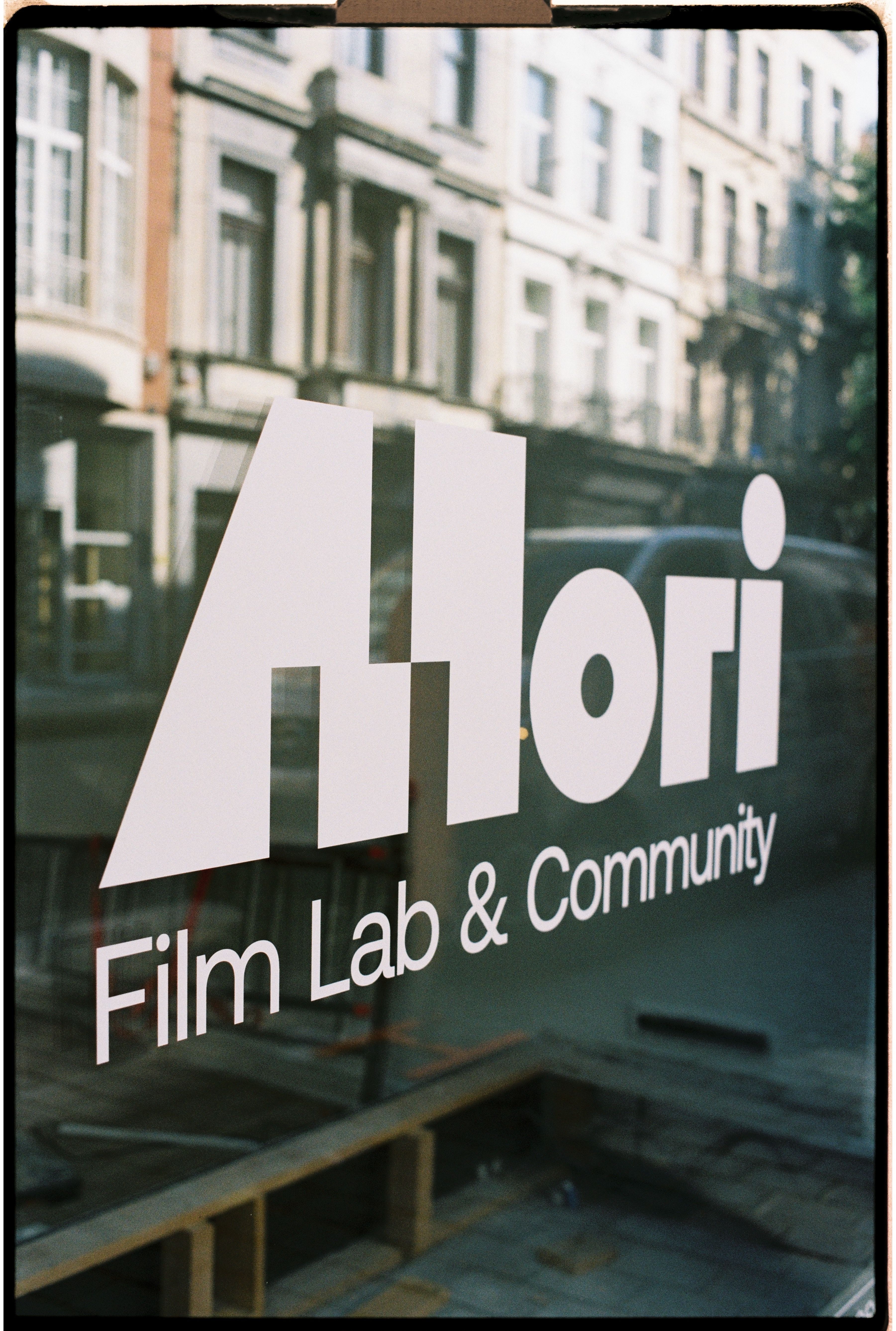
After much debate, we settled on “Mori,” which means “forest” in Japanese. We chose this name because our lab is located in Forest, a neighbourhood in Brussels. On top of that, we’re part of a project called the Forest Factory, which is a big hub that host workspaces for entrepreneurs and businesses. We were one of the first ones to join and it’s still where our lab is now. For the anecdote, the owners of the Forest Factory thought our project to be a bit crazy and while they give us lots and lots of support they didn’t think it would last long. But we’re still here and have triple our lab’s surface in the last 4 years, haha.
We also liked “Mori” because it nods to Japan’s contributions to the world of photography. It’s the home to major brands like Nikon, Olympus, Pentax, Canon, and the producers of all our machines like Fujifilm and Noritsu.
Plus, I think Mori is just a catchy, easy-to-remember name that we feel really good about. It’s short, sweet, and fits our identity perfectly."
With the rise of digital photography, why do you think people are drawn to film photography again?
"That’s a good question and one we’re getting asked a lot! I think people are drawn to film photography for various reasons and I find it’s a bit of a generational thing. Older photographers go back to it because it’s what they used in their prime, younger ones because it’s a bit of a novelty and the lack of technology involved makes it feel magical. For my generation (I’m born in 1998), there’s a strong sense of nostalgia. All of my childhood pictures were shot on film. I have great memories of browsing through our negative and prints drawer at home seeing images of my younger parents. I also used a lot of disposable cameras at early scouts camps and school outings, which has ingrained a certain memory and feeling associated with film photography.
There’s also a counter-technological aspect. We live in a world that’s dominated by digital, where everyone has an iPhone in their pocket and can be a photographer. In this world, film photography offers a counter narrative. It brings back more meaning to the act of taking pictures. In the digital world, we end up with thousands of pictures stored on the cloud that we barely ever look at. Film, like vinyl in music or DVDs with streaming, brings back a sense of importance and intentionality back to the process. Every shot on a film camera matters because it costs money and you really have to think about and engage with your subject. This makes the entire experience a bit much more “special”.
There’s also an argument for the “film look”. It’s this intrinsically organic look that’s just very hard to replicate with digital technology. Don’t tell anyone but I’ve personally tried using both modern and vintage digital cameras out of sheer convenience but always find to return to my film cameras, disappointed by the workflow and the images.
And then of course there’s the hype driven by social media that has catapulted the popularity of film photography as a hobby over the past decade."
You recently opened a new location in Antwerp—what led to this decision, and how has the response been so far?
"Opening our new location in Antwerp was a bit of a right place, right time, right opportunity, really aligned with how things tend to unfold around the lab. We were already four years into running the lab in Brussels and were exploring ways to expand. We had a new lab plan idea we wanted to test so started reaching out to lab opener looking to exit the business, hoping to take over open positions in the market.
Just as I was getting into this, one of our customers connected us with Foto Schelfhout in Antwerp. They reached out to us and it ended up being exactly what we were looking for and at the perfect place too! Over the past years, Antwerp has been the city in Belgium where the most amount of people requested our presence.
And when we started negotiating we quickly realised that what we thought was a small operation had once been one of the biggest labs in Belgium, equipped with some incredible machines that could all be ours. It felt like everything was falling perfectly into place and it went really fast. We were also lucky to bring Tatiana on board, who knows Antwerp inside out and has been the best person we could hope for to manage this new branch.
And the response has been fantastic. I didn’t know Antwerp very much, but it’s now one of my favorite cities. The people are incredible friendly and we’ve met so many new artists. Starting this new venture in Antwerp, maintaining our core values while adapting to a new environment, has been very fun and rewarding. So, yeah, I absolutely love the new adventure in Antwerp. It’s been going really well, and I’m thrilled about everything we’re achieving there."
You recently changed your branding, how do you think branding (and also merchandising) helps create a strong identity for Mori Film Lab?
"Yes, for this we worked with our friend Baudouin Willemart & created a new logotype, identity and website. The entire rebranding also really went hand in hand with the opening of our new location in Antwerp and I don’t think we could’ve done without it. I believe it’s been one of the most important aspect of our evolution. To me, branding is one of the cornerstones of any successful business. It’s not just about the visuals and the merchandising but also about establishing a clear identity and guidelines to guide us through our evolution. Once you know who you are and you know what you stand for, it helps streamlining the process, communicate more effectively, and also expand in a more coherent and healthy way.
And good merchandising on top of this helps reinforcing our brand’s community aspect, which is one of the most important parts of Mori. A strong, recognisable identity makes it easier for people to connect with us and feel a part of Mori."
How important is it for a business like yours to foster a sense of community among film photography lovers? How do you think the analog film process strengthens the sense of community compared to digital photography?
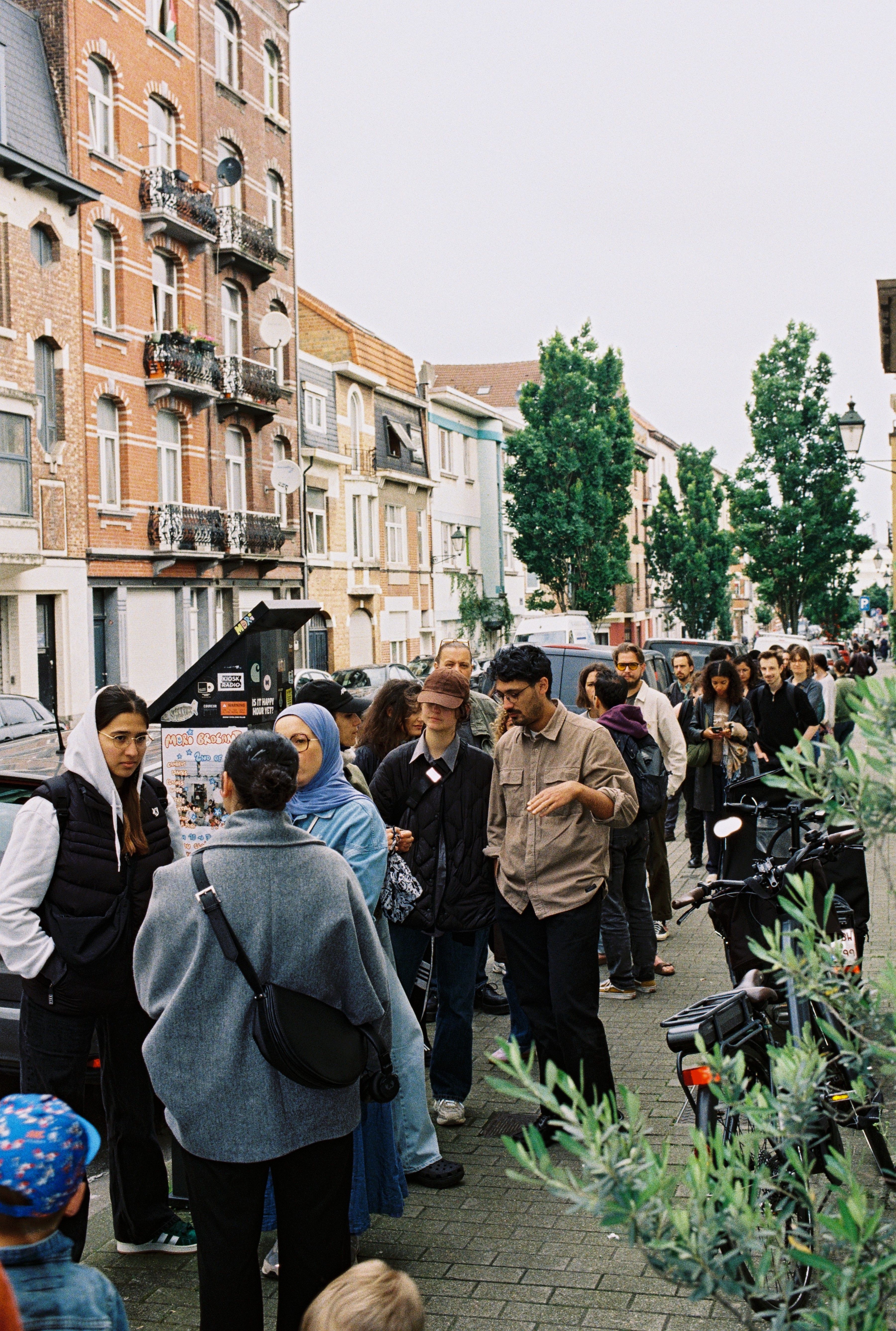
"It’s the most important aspect of Mori, especially given the niche nature of film photography. Community is at the core of everything we do. It’s very important that people feel welcomed, valued, and part of something when they come to us. Each of our customers is a key member of Mori. They’re the one driving us forward and supporting our vision.
Now for the analog vs digital question I think the main issue is the same one for both. Photography can be a bit of a lonely hobby which is why creating connection is so important for us. One of the main differences with digital is that with film, the learning curve is a bit steeper, and while there’s plenty of information available online, learning from others within a community setting is far better. That’s why we always make sure someone at the lab is available to talk and why we enjoy organising things like photo walks, community exhibitions, and why we created our community darkroom and workshops. They’re all activities that help build connections amongst participants and it turn helps enhance their creative process."
Do you have a personal favorite camera that you love to shoot with? And one for beginners?
"Alright, there’s a lot of cameras that I love to shoot with like the Olympus pen FT, the Pentax 67 or the Fuji GS645 but my personal, all time favorite camera has to be the Olympus Om-1. I love it because it's compact, fully mechanical and has amazing lenses. I mainly take pictures when backpacking so I need something that's reliable and very lightweight. And because I’ve used it for so long it just feels super intuitive to me.
And for a great beginners’ camera, I think any camera can be great for a beginner, it really depends on what you’re looking to get out of it. If you don't really want to learn anything, you just want a camera to take some quick pictures with it, without having to learn everything about photography, a good quality point-and-shoot in the 100 to 200 euros range would be ideal. Just grab something you like the looks off and that has a decent lens. There are also some great electronic SLRs around that price point that are user-friendly and deliver good results.
However, if you’re interested in really learning about photography, how to read light and manage your exposure settings. I’d recommend starting with a mechanical camera. While it seems a bit intimidating at the start it’s actually easier than you think and it will force you to learn about all aspects of the process.
So any mechanical camera if you really want to learn photography, or a good point-and-shoot if you just want to take some happy snaps."
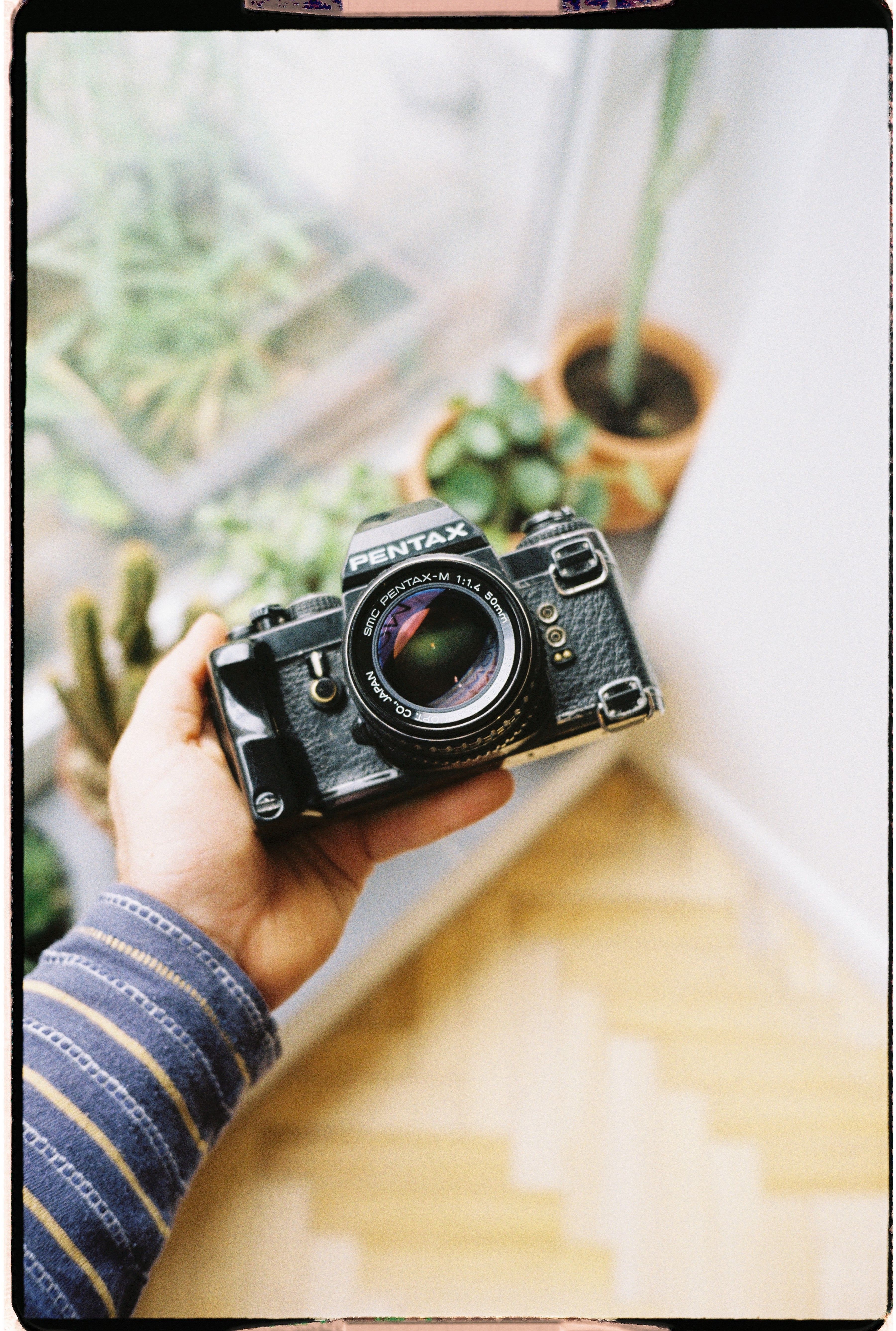
What’s one of the most unique or memorable photos you’ve developed at Mori Film Lab?
"That’s a fun question and to be fair, we have really talented customer so we develop a lot of really amazing pictures daily. But one unique and memorable batch of photos that really stuck with me came from the early days of the lab. A customer brought in several old black and white rolls of film that their grandfather had shot during colonial times in Africa. And while I wont go into details, let’s just say the content of those images was quite revealing and we learned a lot about the grandfather’s personal life, which made for a very… interesting scanning session. It’s these kinds of surprises that make working with film so fascinating. You never know what stories people are bringing in!"
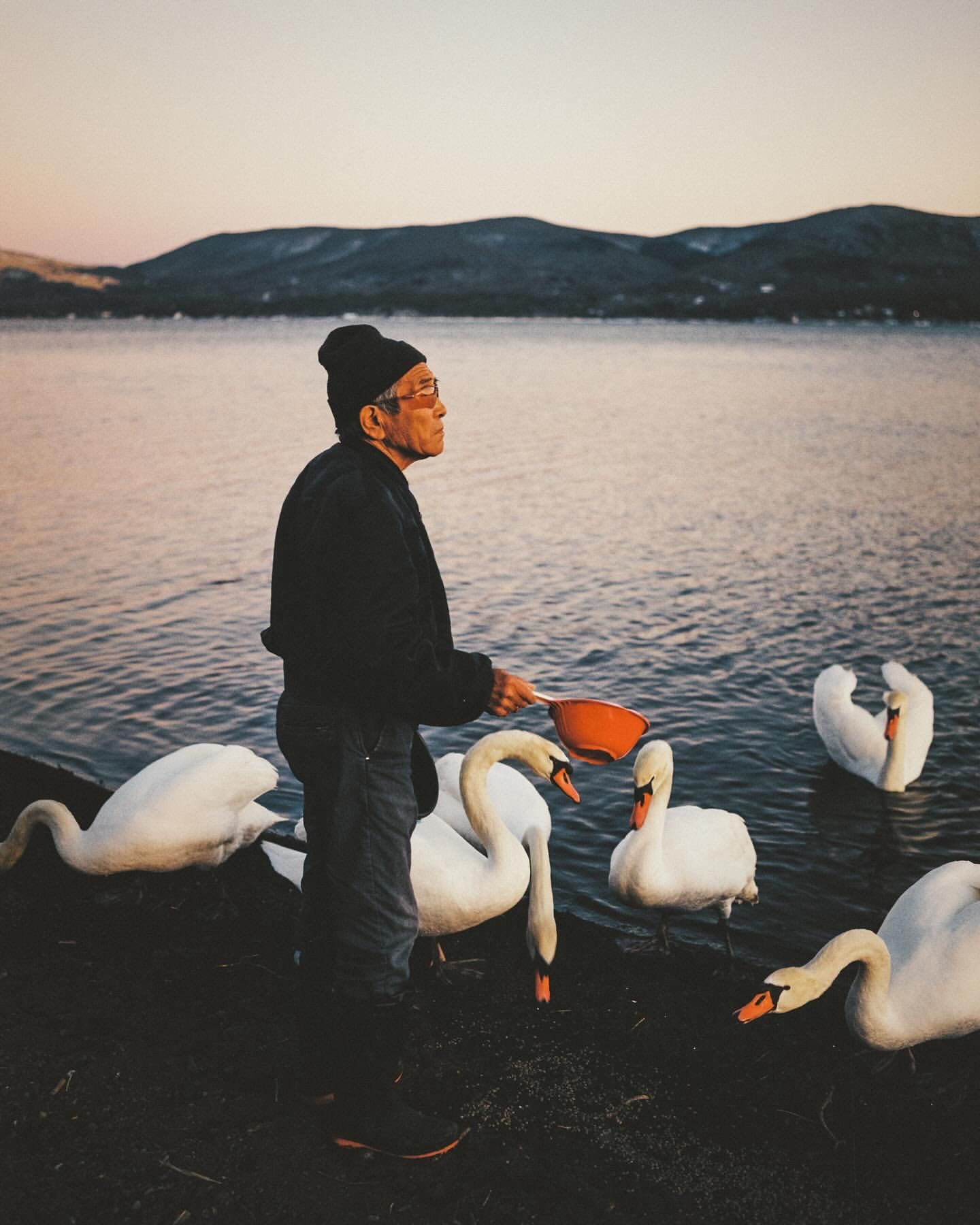
Huge thanks to Raphaël for the great chat and for letting us dive into the world of Mori Film Lab. We loved hearing his stories about film photography and seeing the beautiful shots he shared with us! Make sure to have a look at what they do on their website & Instagram profile and stop by their shop in Brussels or Antwerp.