Blog—JAN 21, 2025
Base Design’s Thierry Brunfaut on the rebranding of L’Institut Français de la Mode
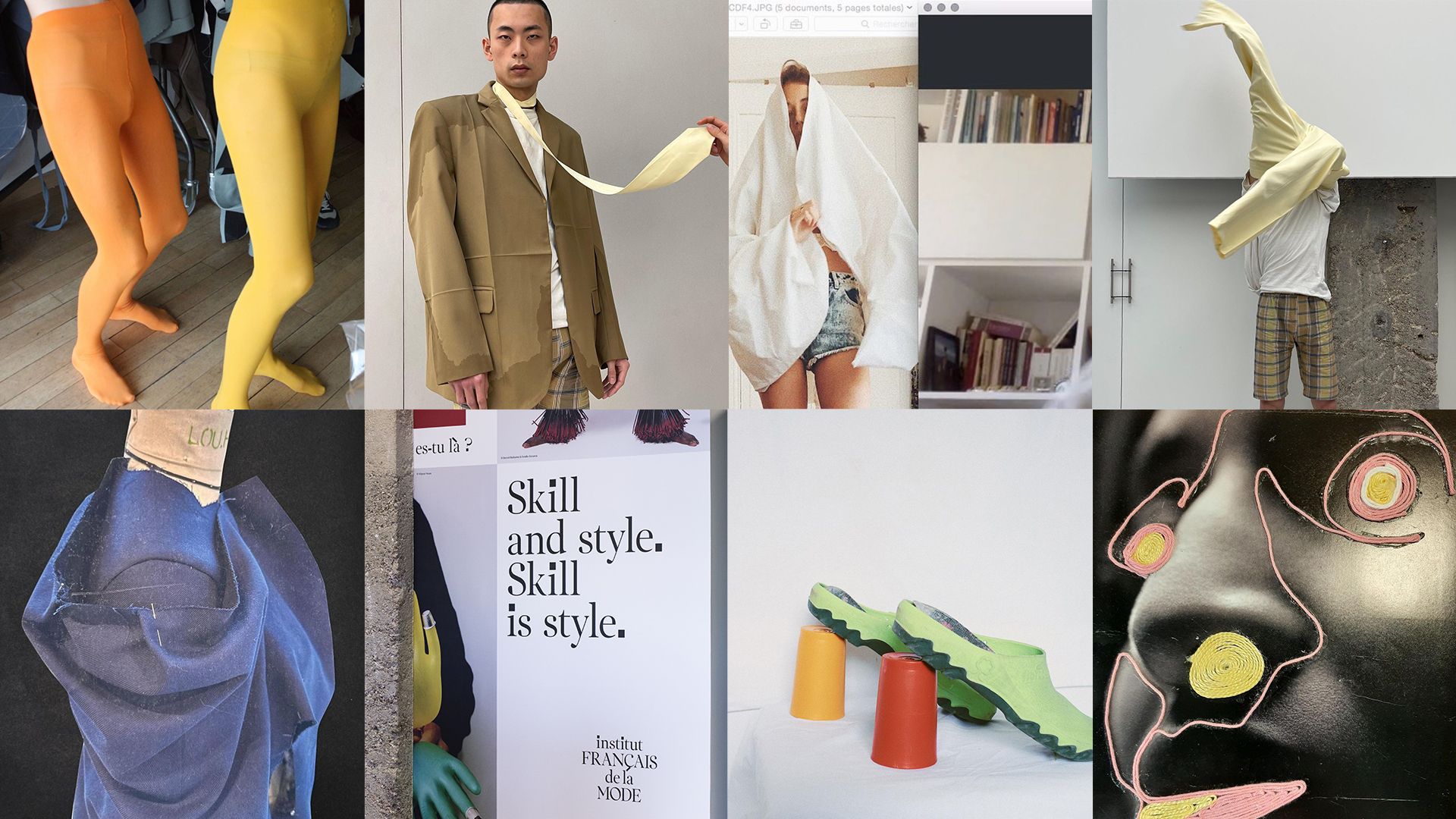
A deep dive into how Base Design's team reshaped the branding of L’Institut Français de la Mode, blending creativity, strategy, and a unified vision.
At Merchery, and through the many collaboration we had with creative agencies, we believe in the power of branding and communication to inspire, captivate, and transform.
For this, we’re turning to Base Design and their creative director Thierry Brunfaut, who redefined the branding of L’Institut Français de la Mode, one of our clients. Through this conversation, we’ll delve into the thought process, challenges, and breakthroughs that shaped this standout case study.
Discover the story behind this amazing branding! And who knows, it might spark some ideas for your next project…
Could you introduce yourself?
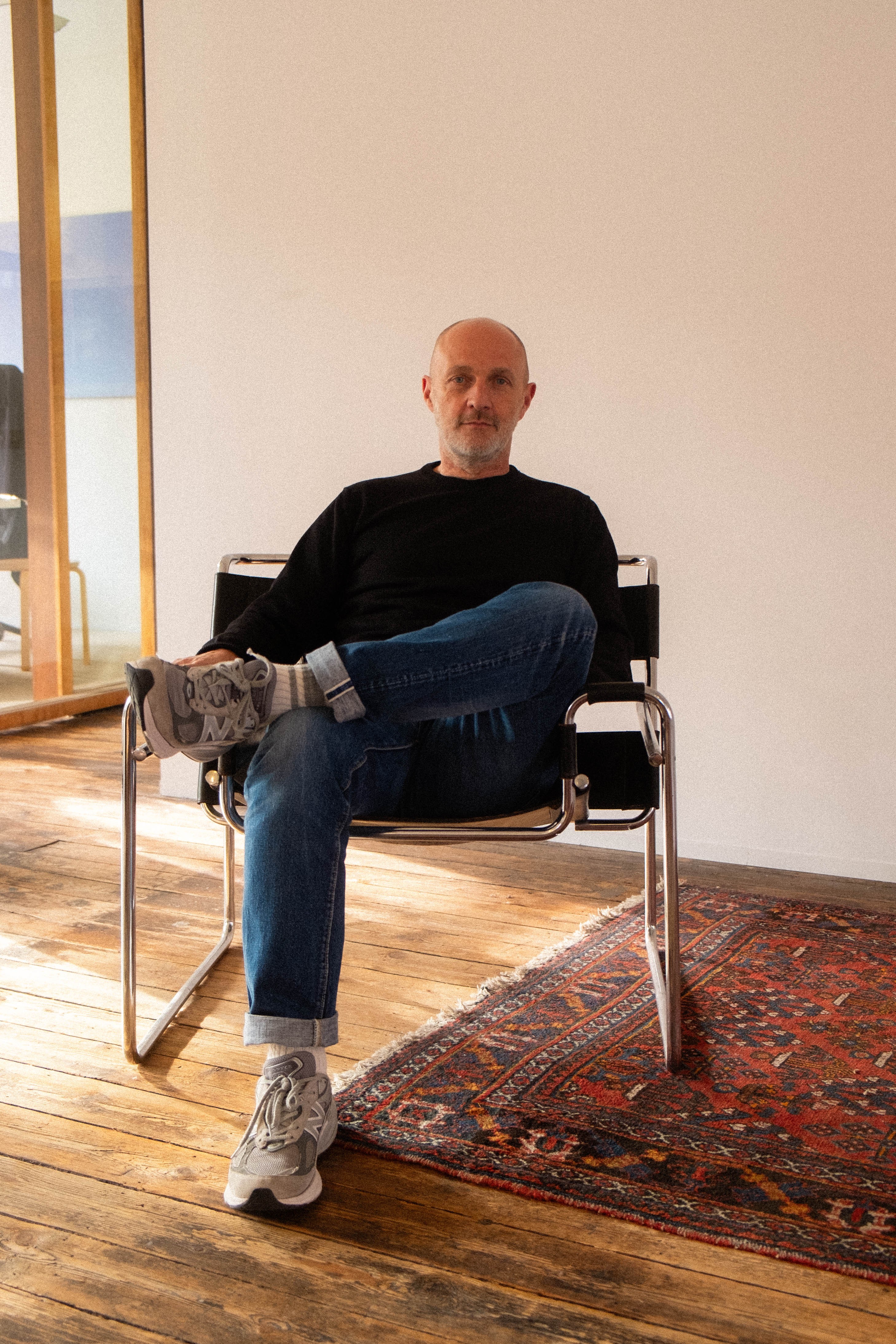
“I'm Thierry Brunfaut, one of the two founding partners of Base Design, along with Dimitri Jeurissen. We created it a long time ago, in the past century... We're a bit like the two old men in the balcony from The Muppet Show.
So, we started Base here in Brussels while we were still in school, at La Cambre. That was over thirty years ago. Today, Base Design is a group with four offices: the original one in Brussels, and others in New York, Geneva, and Melbourne. We also have a digital team that works across all four offices.
We primarily focus on branding, but we’re currently questioning whether we should go beyond that. We touch on everything related to brand creation in the broadest sense, including activation campaigns and all things digital.”
Could you tell me more about the strategy Base Design adopted for the branding of IFM (Institut Français de la Mode)?
“This was a project we worked on about five years ago, and it was a complicated one. It involved a merger between two schools: the Institut Français de la Mode and L'Ecole de la Chambre Syndicale de la Couture Parisienne, which specialized in craftsmanship. This is the school where Yves Saint Laurent, among others, studied.
I’ll never forget the first line of their briefing when they called us: “We want to be the world’s top fashion school.”
IFM already had a strong reputation in management, the craftsmanship expertise came from l'Ecole de la Chambre Syndicale de la Couture Parisienne, and they had a creation department, but which was a bit lagging compared to other schools like La Cambre, Parsons, Central Saint Martins, or Antwerp.
What we did, which I think was clever, was quickly realizing the need to bring people together. As we often do, we conducted a series of interviews, speaking with management, professors, students, alumni, and others. Listening to everyone was crucial, as people needed to feel heard.
Then, we organized workshops to define a shared vision. At Base, we usually do that and put the importance on sharing a collective vision. During those workshops, we asked: “You want to be the best school in the world, but how?” It brought a psychological aspect to fostering a collective vision and align people. We think we succeeded because now this approach even influenced their internal operations, as previously, the school operated in silos.”
You mentioned an interesting way to present your ideas, could you elaborate on it?
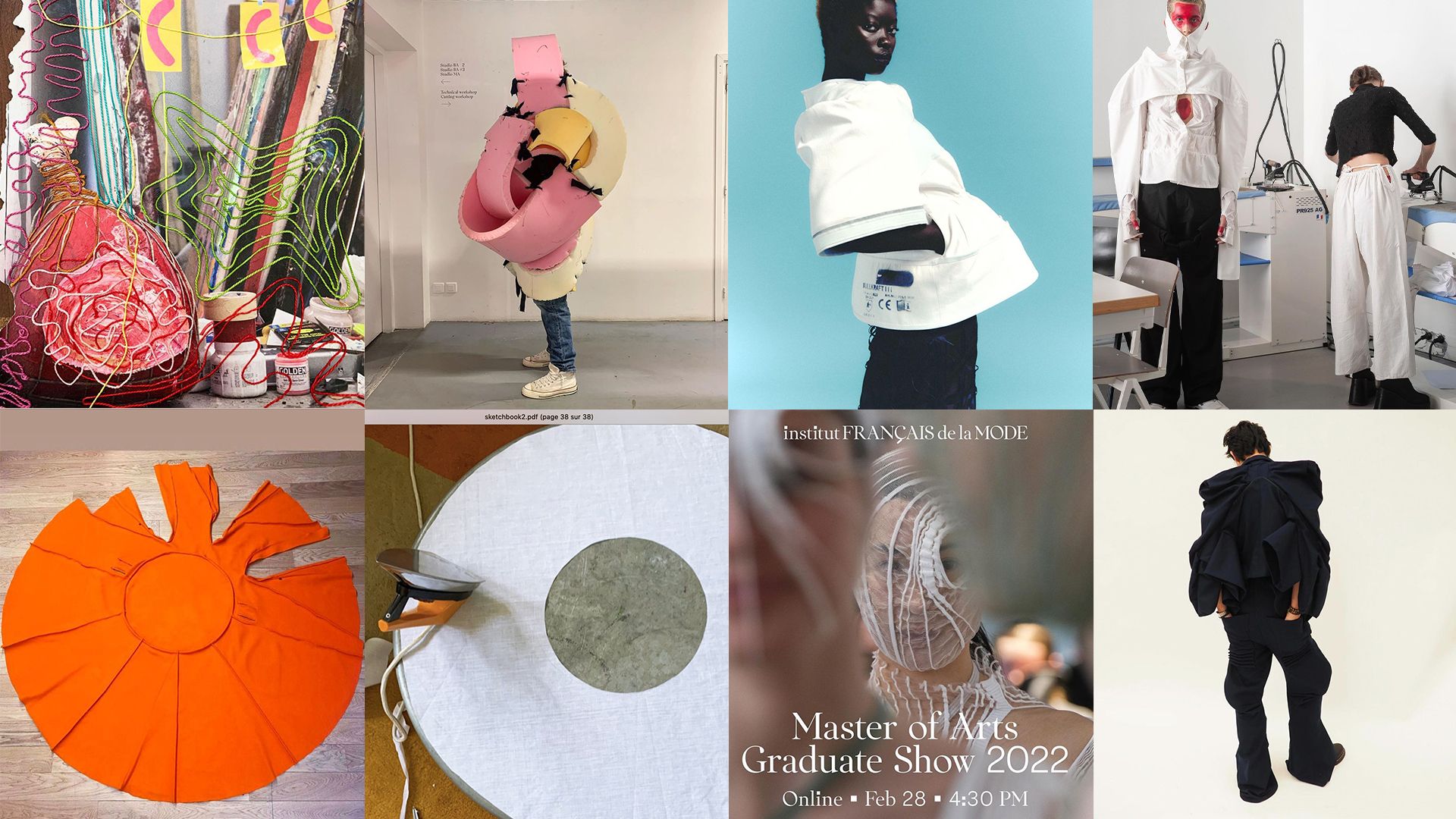
“Yes, instead of presenting the strategy as a document with potential creative ideas, we decided to show it directly through a prototype. It was a gamble, but it worked. We surprised them by saying, “Here’s the strategy, now let us show you what it could actually look like.”
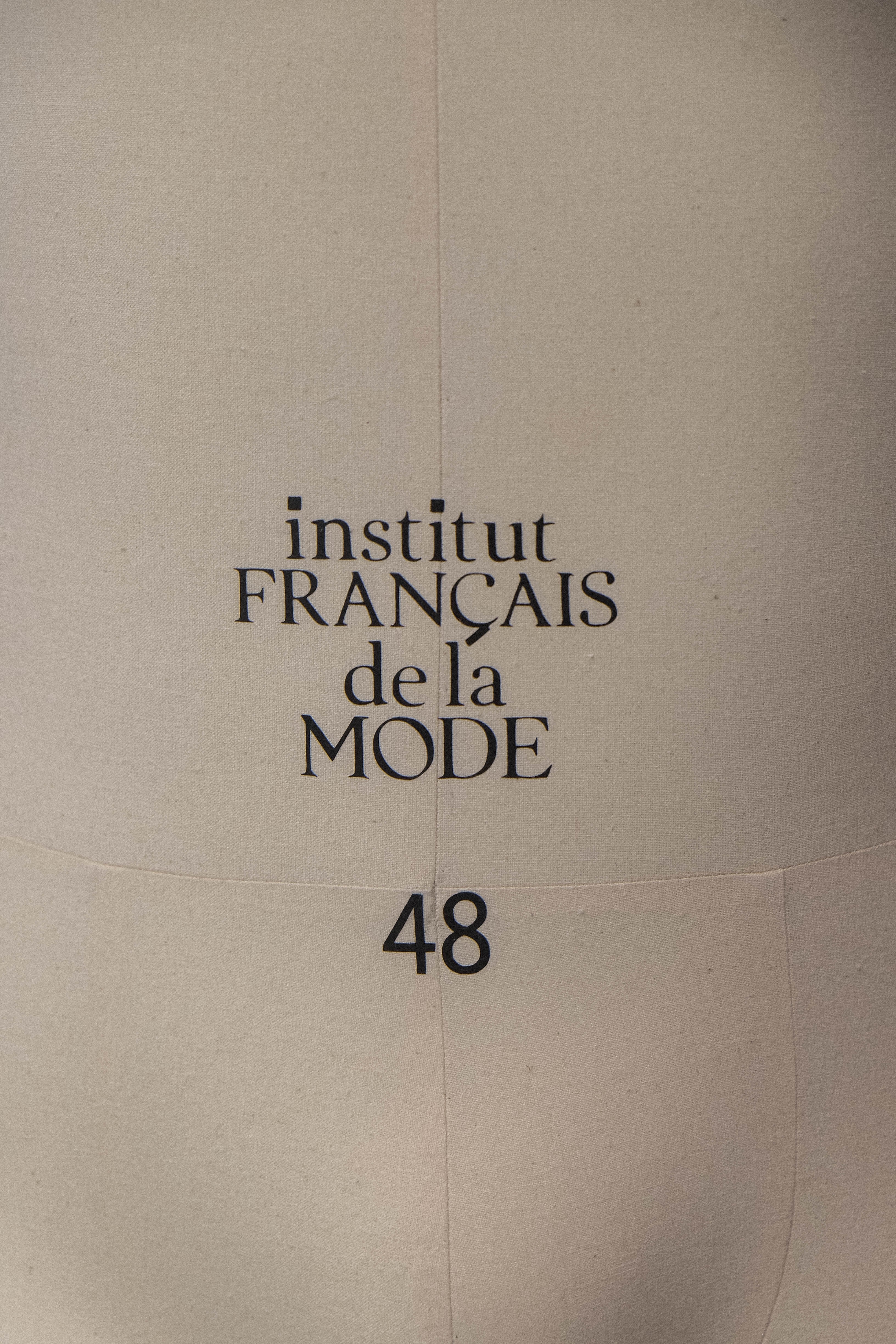
Instead of focusing on logos or other traditional elements, we proposed a system built on a few key ideas. First, we created a custom typography : a mix of a classic Old School French typeface with a disruptive and modern twist to the accents and dots. This reflected the unique "foreign" perception of the French language internationally.
Second, we wanted to make fashion less sacred and more accessible. With our Belgian sensibility, a little less seriousness and more derision, we proposed a lighter, more dynamic, and youthful tone of voice in how they communicated about fashion.”
How did you ensure the identity was adopted by students and stakeholders?
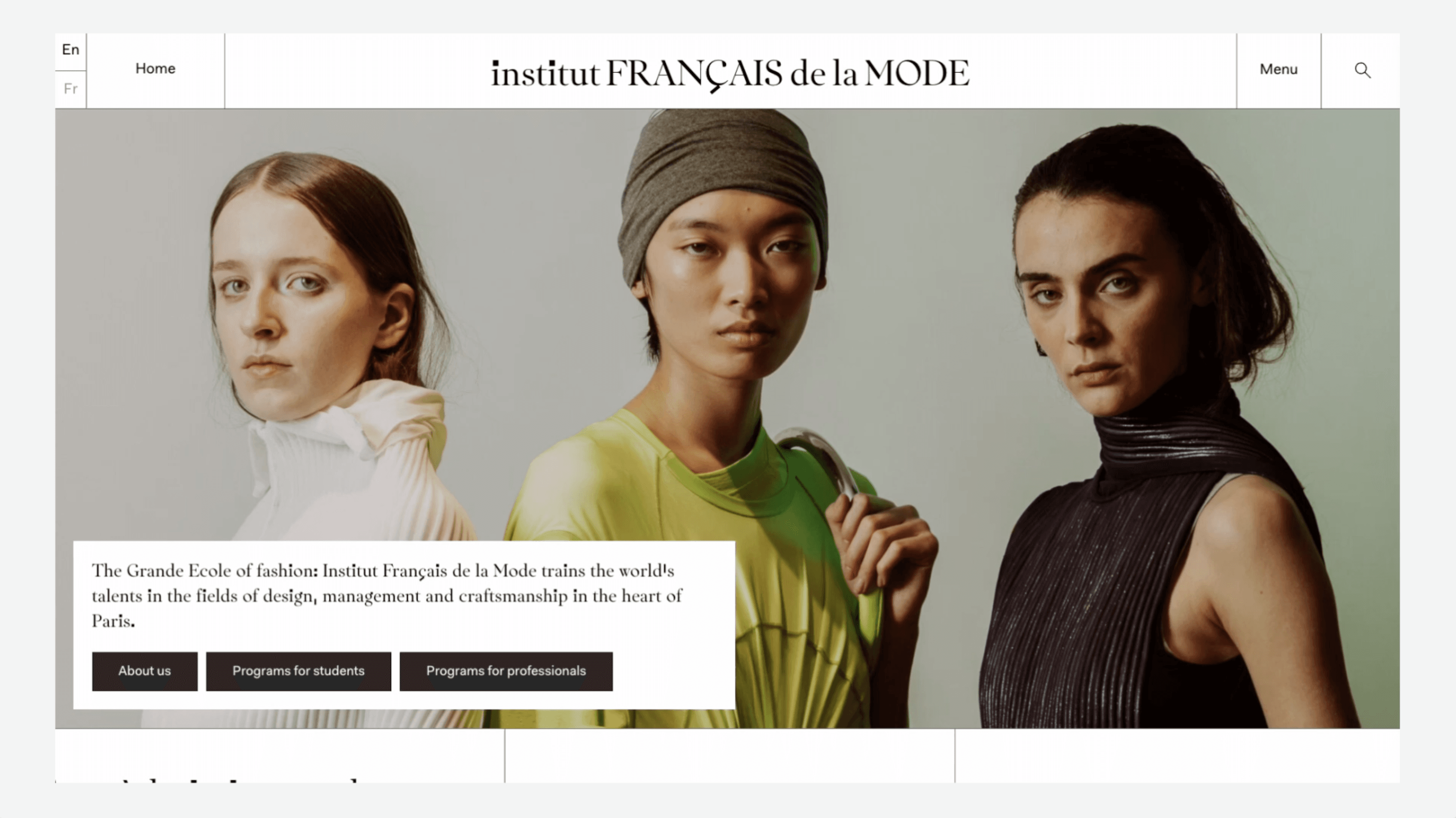
“Part of our global vision was also this idea to make the new identity accessible to everyone—students, professors, and staff. Everyone could and should use it, and because of this, the brand became a shared property. It wasn’t about obsessing over control; we believe a brand should be a living organism. Allowing everyone to use the tools we created gave the identity authenticity and ownership.
The new branding was integrated throughout the school, from signage to the website and digital platforms, and above all by everyone, from students to managers. This also helped their communications department, which previously lacked influence, to gain significant power internally thanks to this new branding too.”
How did the merger influence the branding process and honor both institutions?
“The key was to treat everyone from both schools as part of one team, despite their differences. We didn’t distinguish between the two schools but worked with them as a single entity. Even though we chose to keep the name Institut Français de la Mode because it already conveyed meaning and reflected the school’s identity. Inventing a new, meaningless name or combining letters from both schools into an acronym wouldn’t have added value to the brand.
However, we recommended avoiding the use of the three letters "IFM" in the logo or branding. Acronyms can feel dry, sterile, and overly corporate. Instead, we emphasized the three words that already define the school: Institut, Français, and Mode. This focus brought clarity and strength to the branding. When paired with the word Paris, the name became even richer, more generous, and evocative, capturing the essence of the school’s prestige and vision.
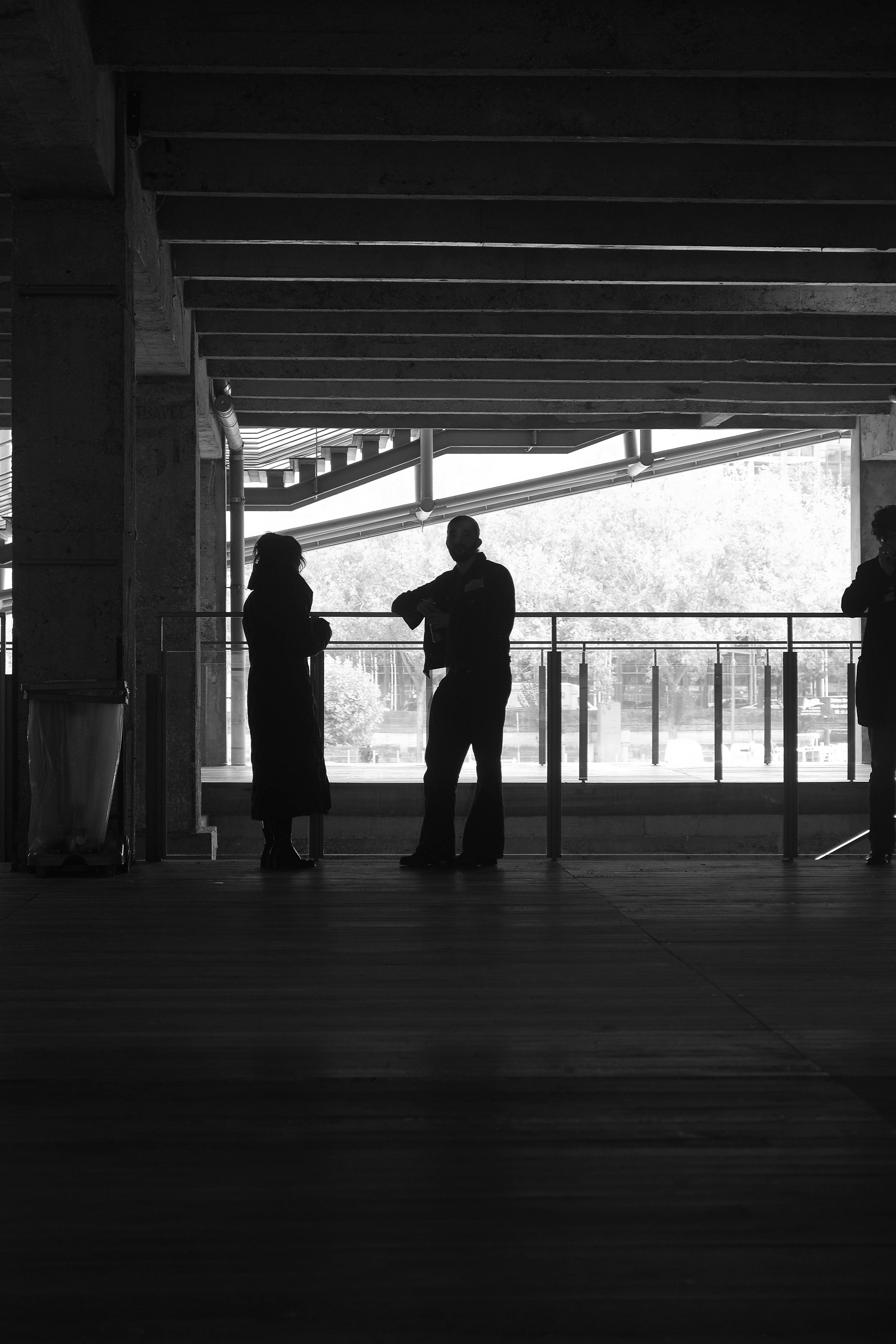
Additionally, the merger coincided with significant physical changes and renovations for the school : new campuses, more space, and an international vision. For instance, the school embraced bilingualism (French and English) and aimed to attract students worldwide. The Parisian location, along the Seine, was a major asset, and we emphasized that in the strategy too.”
What role does the new identity play in positioning IFM as the #1 fashion school globally?
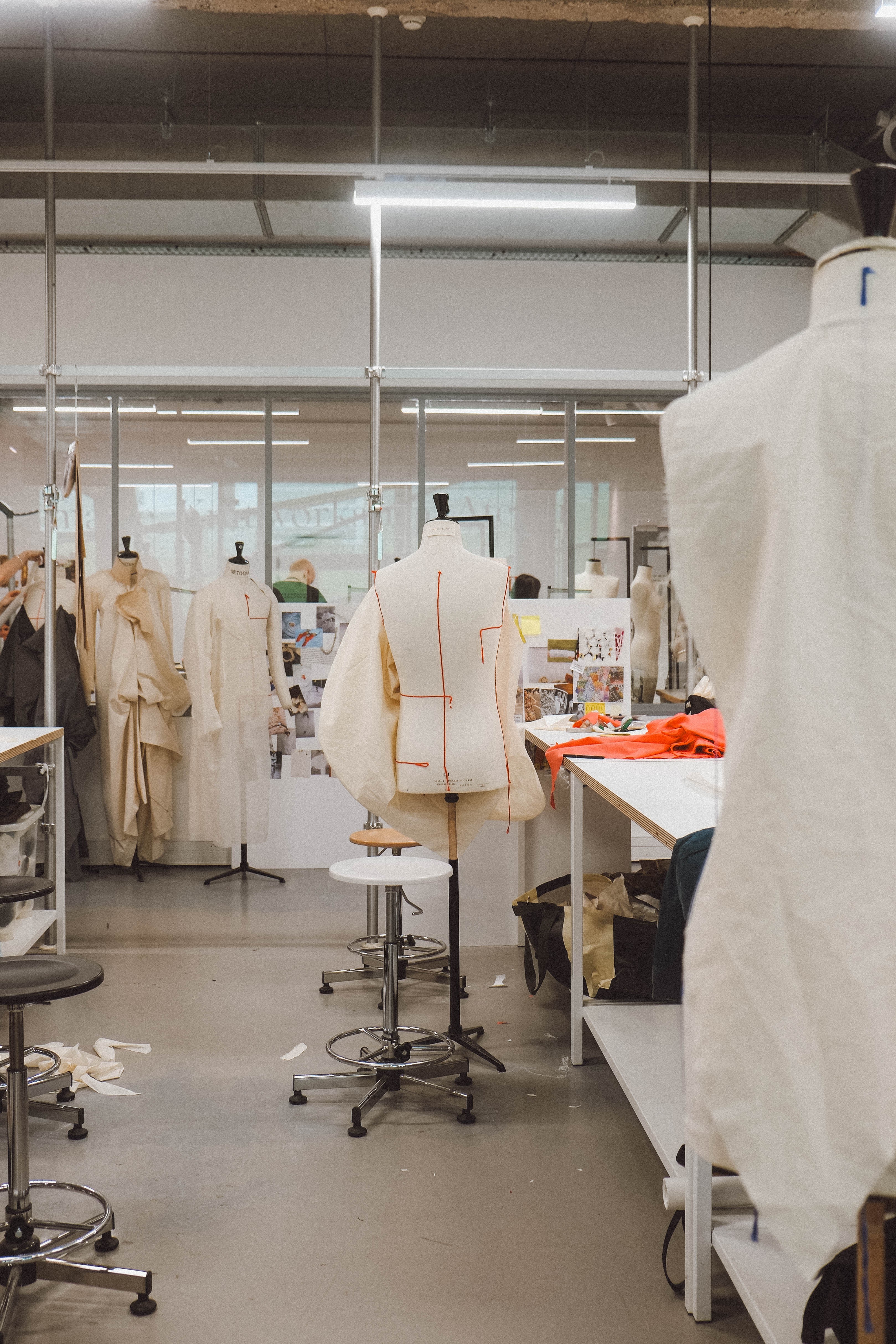
“Few schools combine the three pillars—management, craftsmanship, and creation—that IFM does. This holistic offering makes them unique. Plus, they’ve built a diverse, open, and energetic culture that students love which differs of the vision we might have when talking about Parisian schools. There's still rigour and an excellent level, but also a lot of open-mindedness, passion and diversity.
The new identity reinforces this uniqueness. With increased visibility, like opening Fashion Week with their students' bachelor collections, the school has gained an even stronger reputation than before. While there’s always room for improvement, IFM is constantly questioning and evolving, a quality essential for a top-tier school.”
What’s next for IFM and Base?
“At the moment, we’re in the middle of a second phase of the project, building on the past five years. The logo and typography remain unchanged, but we’re reevaluating positioning, messaging, and tools. We’re also exploring new formats (like Instagram, the fashion shows, …) to further distinguish the school and make an impact. So we’re discussing about all of this. Though I can’t reveal too much yet.
This ongoing collaboration is exciting for us because branding a school is about shaping the future. IFM is deeply engaged with big questions around fashion’s future, consumption, and production, making it a privilege to be part of their journey.”
A huge thank you to Thierry Brunfaut for sharing his insights and taking us behind the scenes of IFM’s new branding journey. This case study shows how thoughtful branding and a shared vision can transform an institution and shape its future. We’re inspired, and we hope you are too!